
【REPORT】IM Lab Open Day #2 2025
2026/06/11
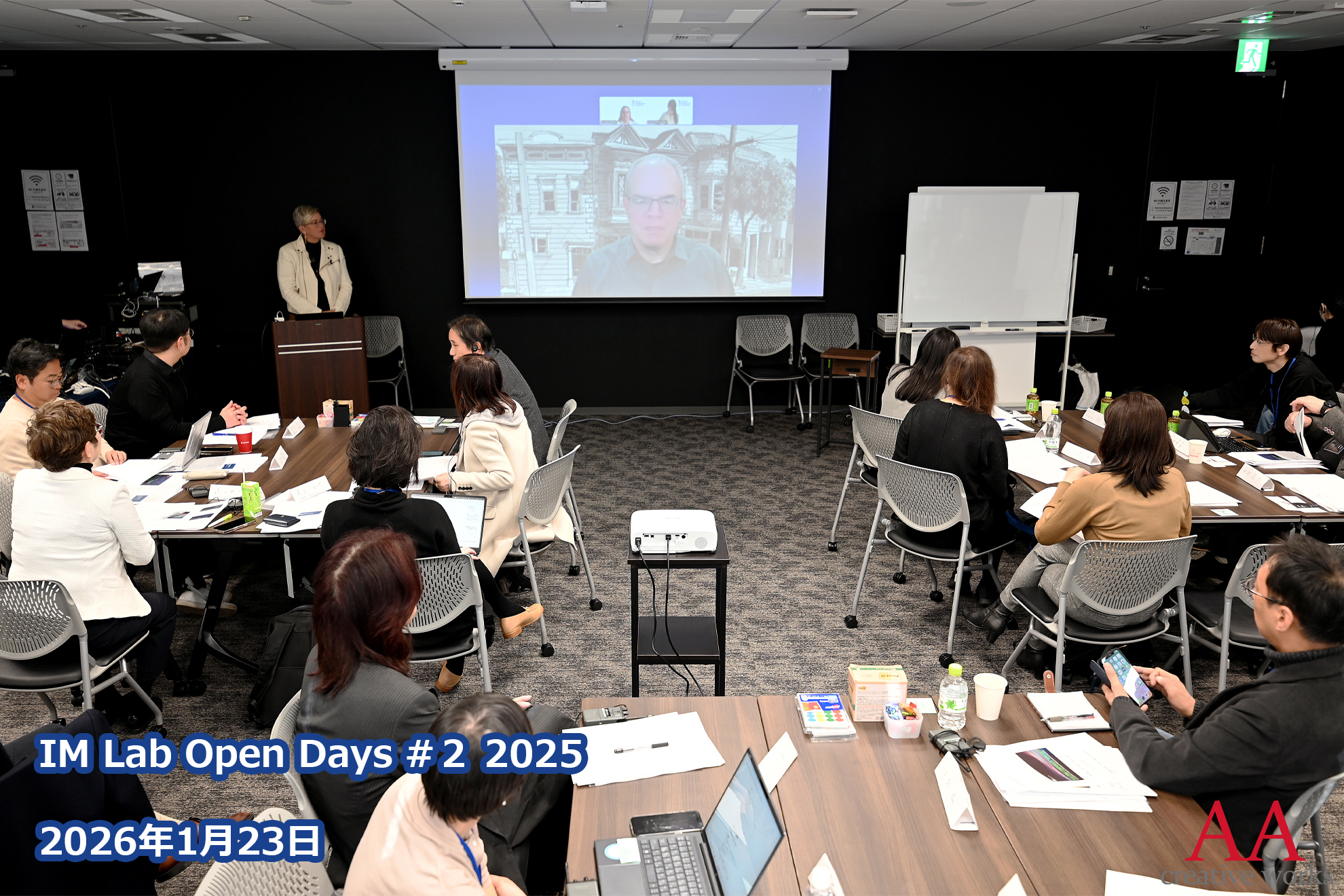
“The Executive Innovation Roundtable held by the Executive Innovation Committee (hereinafter referred to as” “EIC” “) on August 4, 2025 led to the launch of” “IM Lab,” “which supports the construction of an innovation ecosystem through industry-academia collaboration. In response, the Japan Innovation Network (hereinafter referred to as” “JIN” “) hosted” “IM Lab Open Days 2025” “on October 9, 2025, followed by” “IM Lab Open Days #2 2026” “on January 23,” This time, we will report on “” IM Lab Open Days #2 2025 “” with a report and a digest video. Please watch the digest video by playing the YouTube video in the blue frame below. “
EIC YouTube Channel
IM Lab Open Days #2 2025(Digest video)
Lack of sense of urgency is the biggest legal risk
The world is changing in a fundamental and profound way, “Dave Blakely, a former IDEO global director who has been at the forefront of innovation in Silicon Valley for a quarter century, began in a quiet but heavy tone. What the thirty seven innovators in the room at IM Lab Open Day #2 2025 face is not just a recession but” the collapse of existing business models. “It details the essence of the” venture building “presented at the plenary session and the specific prescriptions for Japanese companies to turn around.
Redefining growth channels and venture building
Many Japanese companies have relied on “new product development” and “M & As” for growth. But Dave Blakely calls these “traditional channels” and affirms that they are not enough. He advocates “corporate venture building,” which leverages the company’s assets (brand, customers, and technology) while launching new businesses at the same speed as external startups. This is a “third way” that is different from both investment in startups (CVC) and traditional new businesses. As a key to success, Dave Blakely advocates the use of “Build,” “Partner,” and “Invest.” The EV battery joint venture between Honda and LG Energy, for example, is a good example of a “Partner” that combines each other’s complementary skills. On the other hand, if you are redefining the market based on your company’s core competencies, you should choose “Build.”
The Discipline of Customer Development: The Impact of 100 Interviews
In the specific process of venture building, the most powerful impact on the participants was the thorough discipline of “customer interviews.” Dave Blakely argues that at least one hundred face-to-face interviews should be conducted during the incubation phase. The “development based on the spec sheet,” which is common in the Japanese manufacturing industry, no longer works. The key is to empathize with the customer’s Emotional Pain and “fall in love” with the problem to be solved. The engine of successful venture building is not technology but Customer Pain.
Customer obsession with “pain”
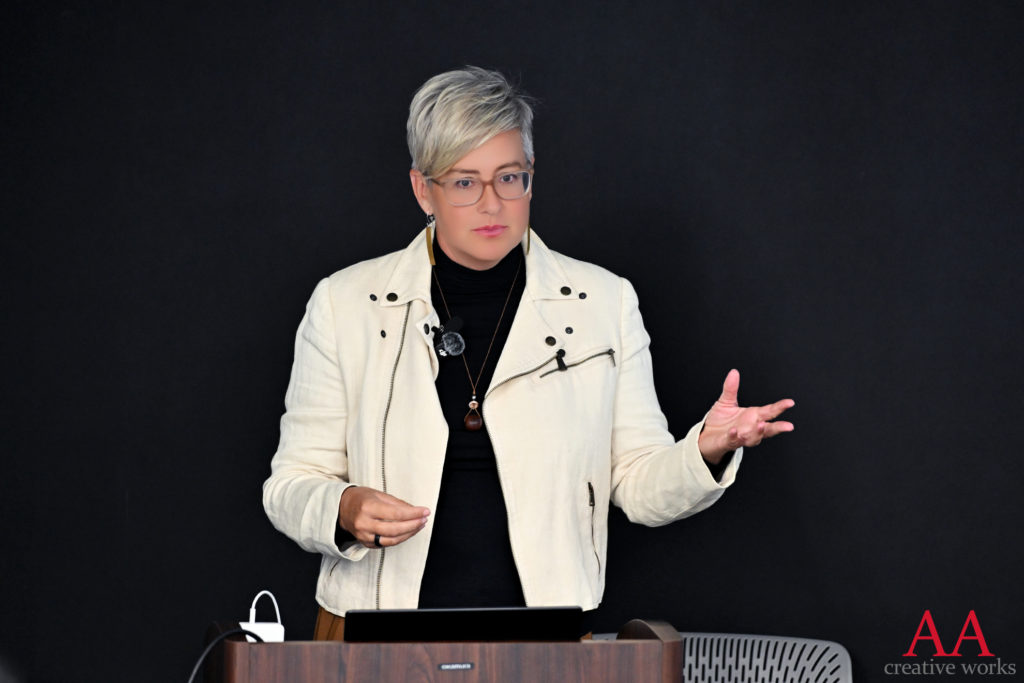
The workshop, led by former LVMH Chief Digital Officer Valerie Hecke, used a fictional scenario of an Apple entry into the Japanese elderly market and trained participants to extract “pains” from the perspectives of the elderly, family members, and care workers. The discussion highlighted deeply human emotions that predate technological solutions, such as the “guilt” of care family members and the “dignity” of the elderly. Innovation is completed only when the latest technology (AI and the Internet of Things) is “retrofitted” to this deep understanding of people. Many Japanese companies tend to move to prototyping after a little bit of research, but the Silicon Valley-style discipline is different. They keep asking questions until the customer has an essential understanding of “what’s bothering them and why the existing solution isn’t enough.” By carrying out this process within the company’s own team rather than outsourcing, “internal muscle” is trained and transformed into a culture of continuous innovation.
Innovation as a mechanism that transcends organizational barriers
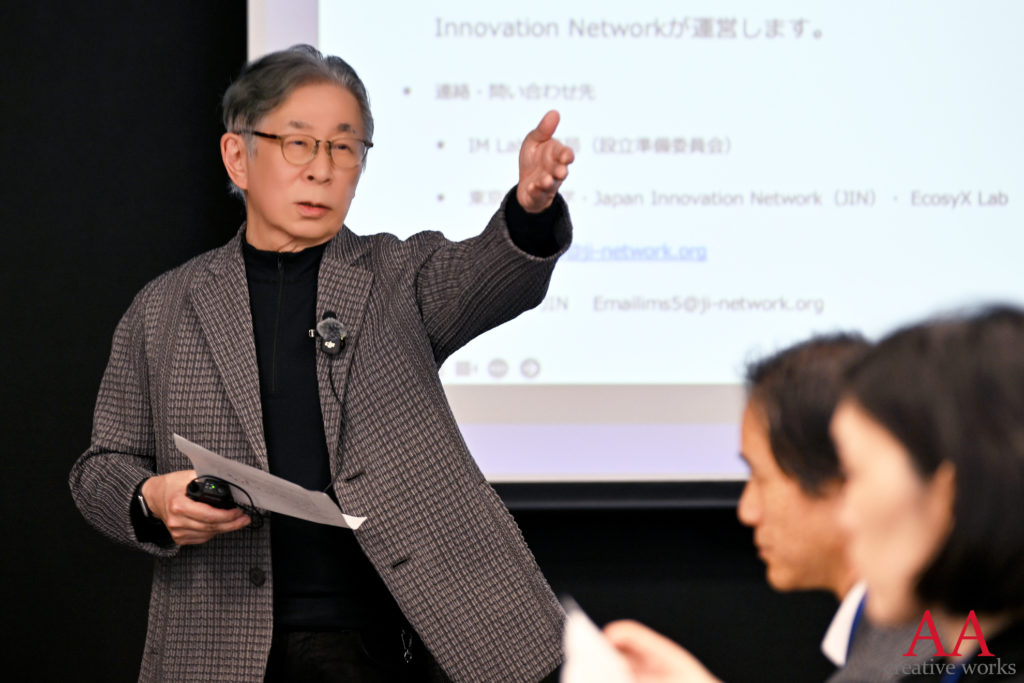
Noboru Konno, chairman of JIN, pointed out the current situation in which new businesses of Japanese companies have become “zombie businesses” (businesses that are not dead but also do not grow). The cause is an organizational culture in which investment decisions are made as an extension of existing businesses and failure is not acceptable. The solution to this is the establishment of an “innovation management system (IMS)” based on ISO 56000. The IMS will make innovation a “mechanism” of the organization rather than leaving it to individual talent. Specifically, the following five requirements for success were presented:
- Commitment by CEO
- Appointment of dedicated leader (entrepreneur)
- Secured funding source (milestone-based investment)
- Dedicated team with diverse skills
- Governance with follow-on investment upon success (Establishment of new venture board)
Of particular controversy is the concept of an “Interim CEO.” Large Japanese companies critically lack the flexibility to bring in the best external leaders and design the right incentives to match the growth phase of the business.
Ecosystem Strategy is Shaping the Future
At the heart of JIN’s activities is an ecosystem approach that seeks to tackle problems that cannot be solved by a single company. The absence of a system for creating these “new connections” has prevented new industries from emerging in Japan over the past 30 years. In Europe and the United States, universities, governments, and industries are conducting joint experiments in the form of “living labs” and accelerating their implementation in society. For Japan to turn the tables, it must build a flat ecosystem in which a variety of entities work together on a variety of issues, with a common language (such as ISO 56000), rather than relying on a particular giant company.ない。
System Builders for the Future
To conclude the meeting, Yoichi Oshima, a professor at Tokyo University of Science and Technology, explained the coexistence of “logical system (ISO)” and “human-centric empathy (interview)”. In order for Japanese companies to regain their luster, it is essential for individual employees to be aware of themselves as “system builders” and to build an ecosystem that transcends the framework of the organization. What is required of us now is not just mere ideas but the introduction of a “disciplined mechanism” to sublimate them into businesses.

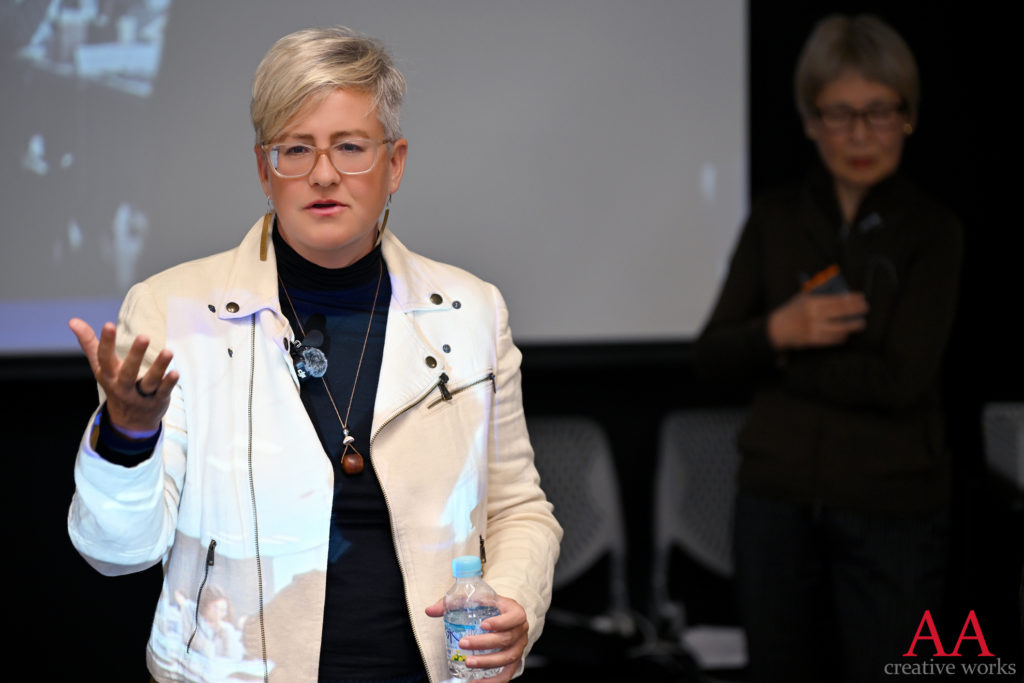
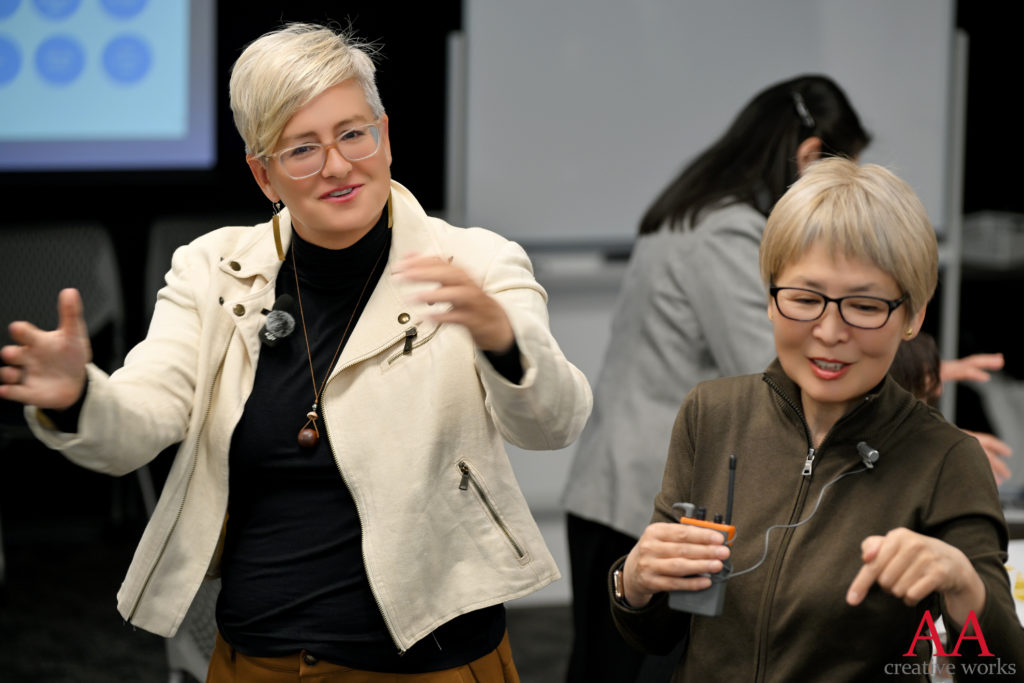
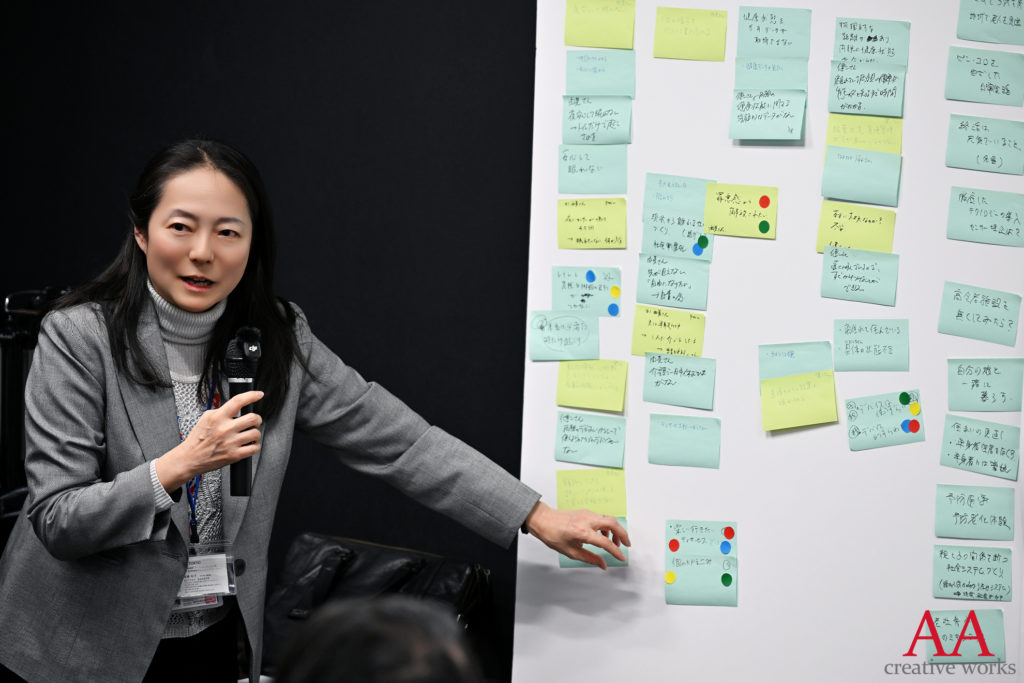
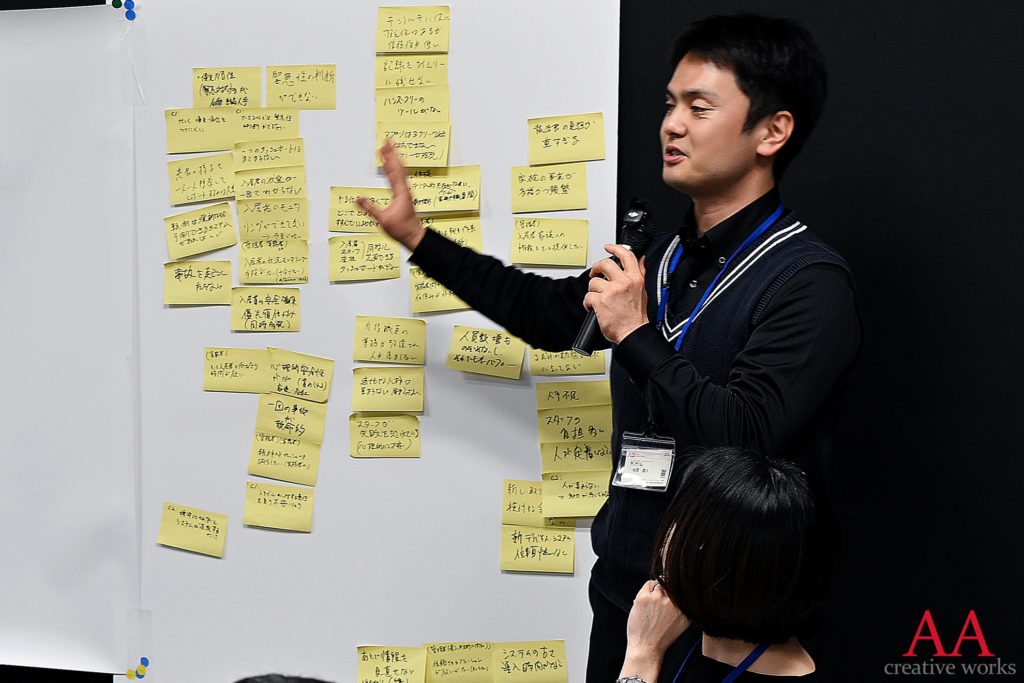


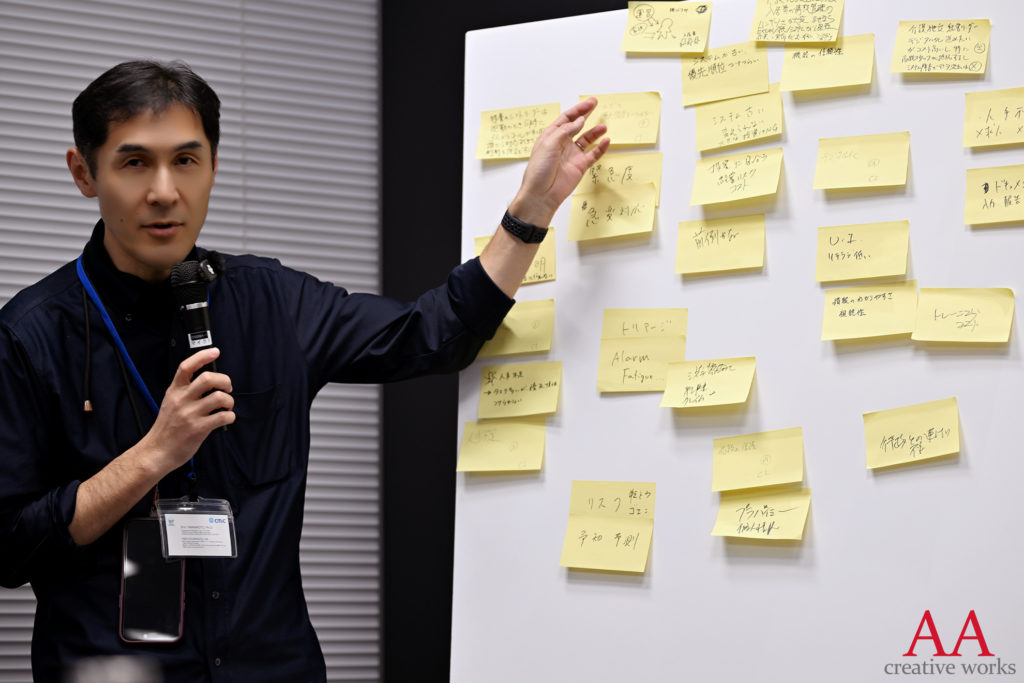
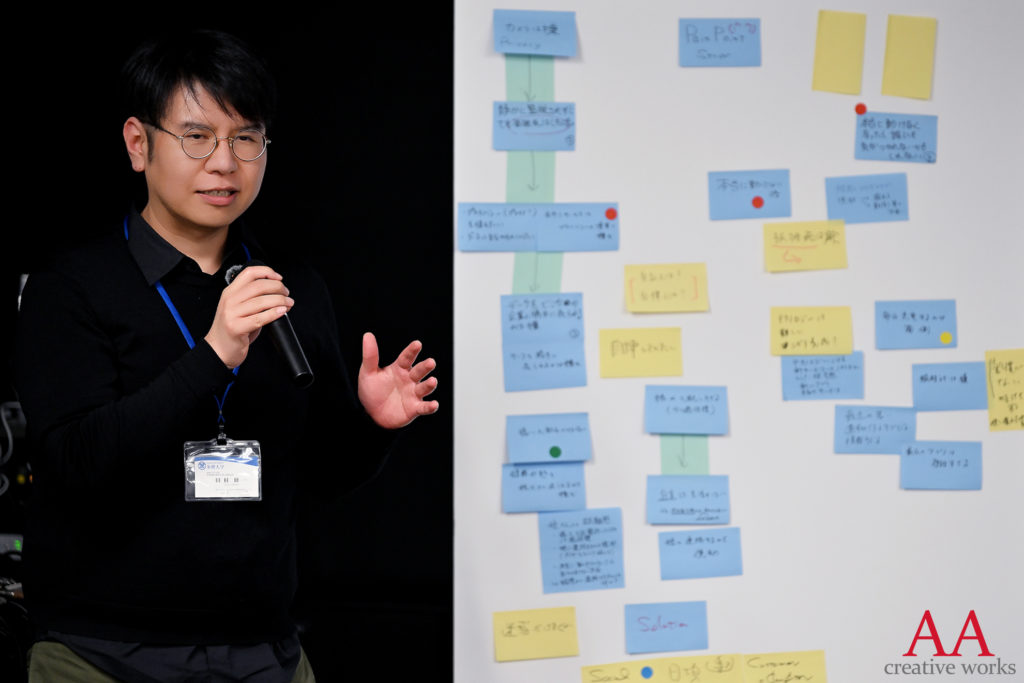
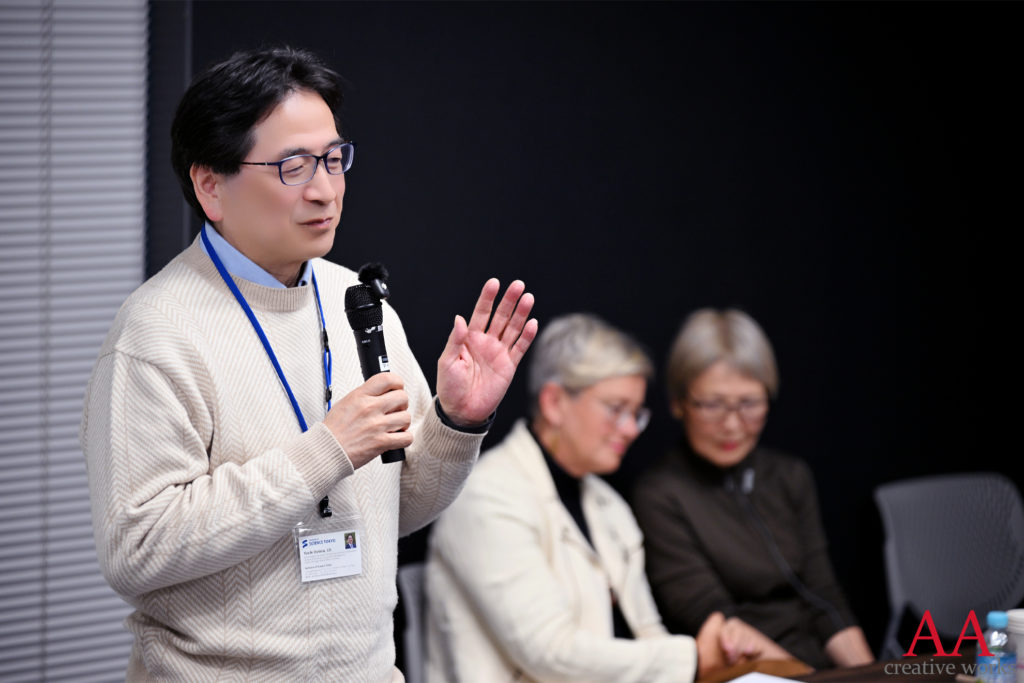
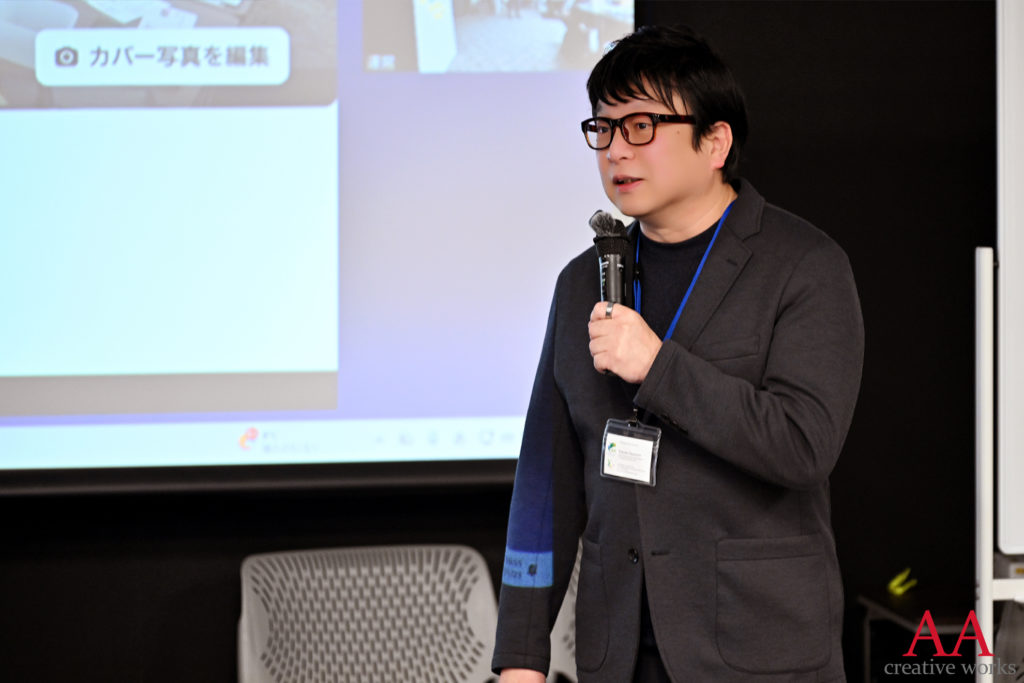

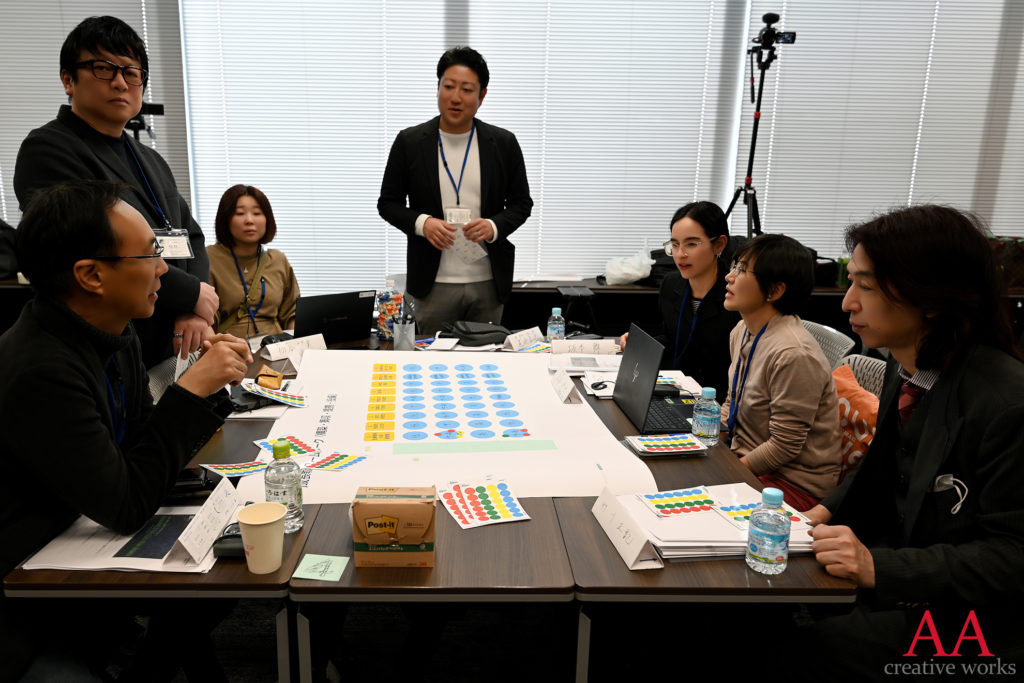
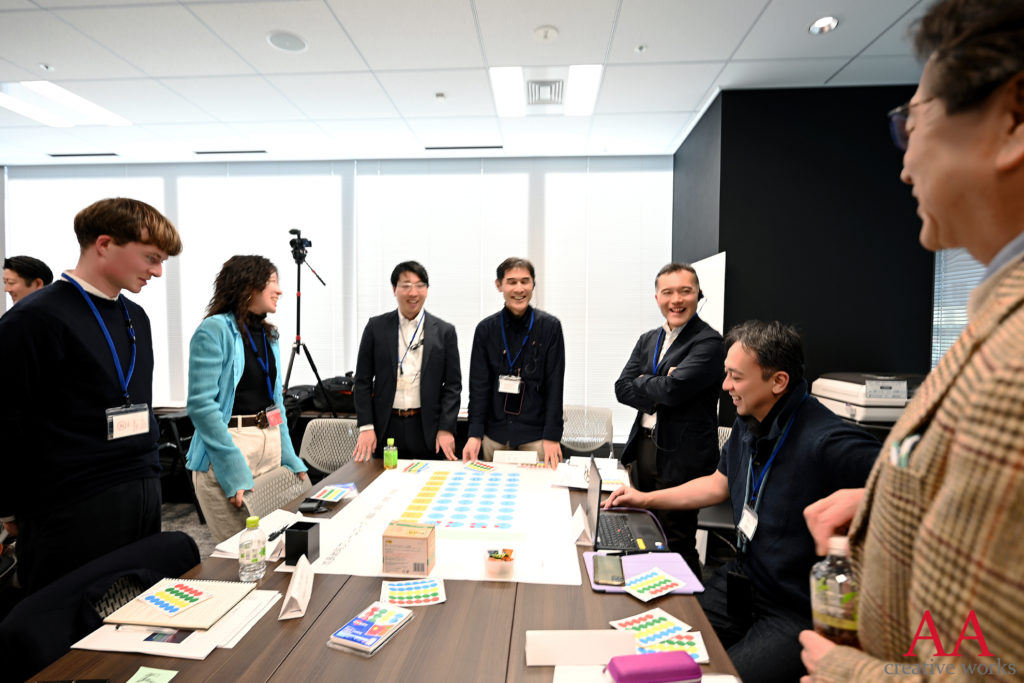
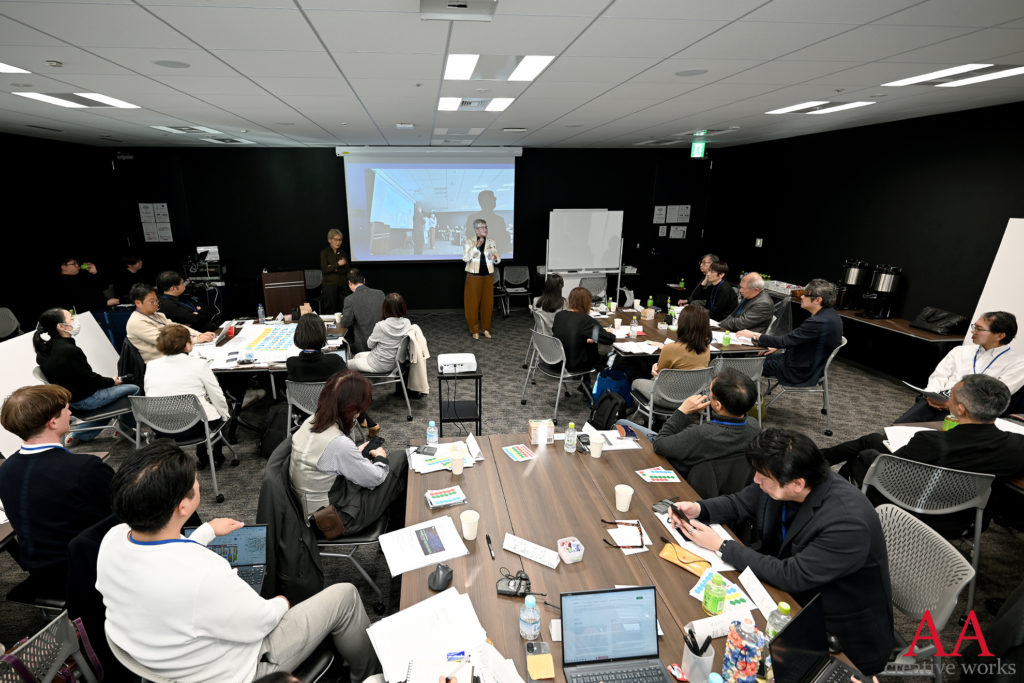
IM Lab Open Days #2 2025
Event Name: IM Lab Open Days #2 2025
Date and Time: Friday, January 23, 2026, 1:00 PM – 5:00 PM
Location: 3rd Floor, Urban Net Uchisaiwaicho Building, 1-1-13 Shimbashi, Minato-ku, Tokyo
CROSSCOOP Seminar Room A
Organized by: Japan Innovation Network (JIN)
Agenda:
1:00 PM – 1:30 PM Opening Remarks and Summary of Lessons Learned from Previous Open Days
Noboru Konno, Board Member and Chairperson of Japan Innovation Network
1:30 PM – 2:00 PM Keynote Speech (Online)
Dave Breckley, Former Global Director at IDEO
“Innovation Ecosystems and Growth Strategy Frameworks”
2:00 PM – 4:05 PM Workshops
Valérie Heck, Former Chief Digital Officer at LVMH
“Applying the Growth Strategy Framework and Customer Interview Techniques”
・Workshop 1: Applying the Growth Strategy Framework
・Workshop 2: Building Opportunity Hypotheses Using Stakeholder Interviews
4:15 PM – 5:00 PM Q&A Session
5:00 PM – Networking Reception
◆関連記事
・【REPORT】IM Lab Open Days 2025
https://transformjapan.org/perspectives/20251009/
・【REPORT】Noboru Konno at the European Drucker Association Senior Fellow Award Ceremony
https://transformjapan.org/perspectives/20250701/
・【REPORT】First SIMA (Good Innovation Award) award ceremony
https://transformjapan.org/sima/report_sm1_20260203/