
【REPORT】IM Lab Open Seminar: “Ecosystem Innovation Today”
2026/06/11
~ Looking back on the one year program – Towards IM Lab 2026 ~
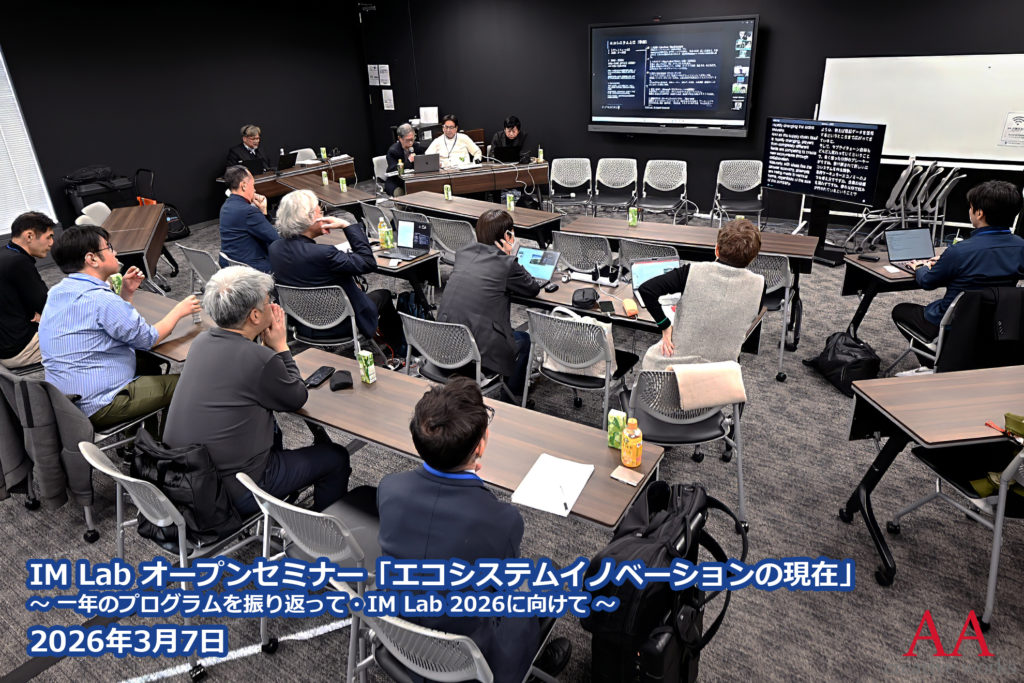
“On August 4, 2025, the Executive Innovation Roundtable was held by the Executive Innovation Committee (” “EIC” “), which led to the launch of” “IM Lab,” “which supports the construction of an innovation ecosystem through industry-academia collaboration. In response, the Japan Innovation Network (” “JIN” “) hosted the activities of” “IM Lab” “in fiscal 2025, and the final project announcement was held on March 7, 2026.”
Today, EMC also announced its partnership with The Competitiveness Institute (TCI Network), a global, not-for-profit network dedicated to advancing global cluster development, innovation ecosystems and local competitiveness.
We will report the situation with a report and a digest video. Please watch the digest video by playing the YouTube video in the blue frame below.
EIC YouTube Channel
IM Lab Open Seminar: “The Current State of Ecosystem Innovation” (Video Digest)
The End of Competition and the signal gun of Co-Creation: Why Japanese Companies Need to Shift Toward Ecosystem Management
Japanese industry is now at an unprecedented turning point. As the limits of the “self-sufficiency” and “single-company competitive strategy” of the past are exposed, an “innovation ecosystem” in which different players work together to create new value is emerging as the only solution for survival.
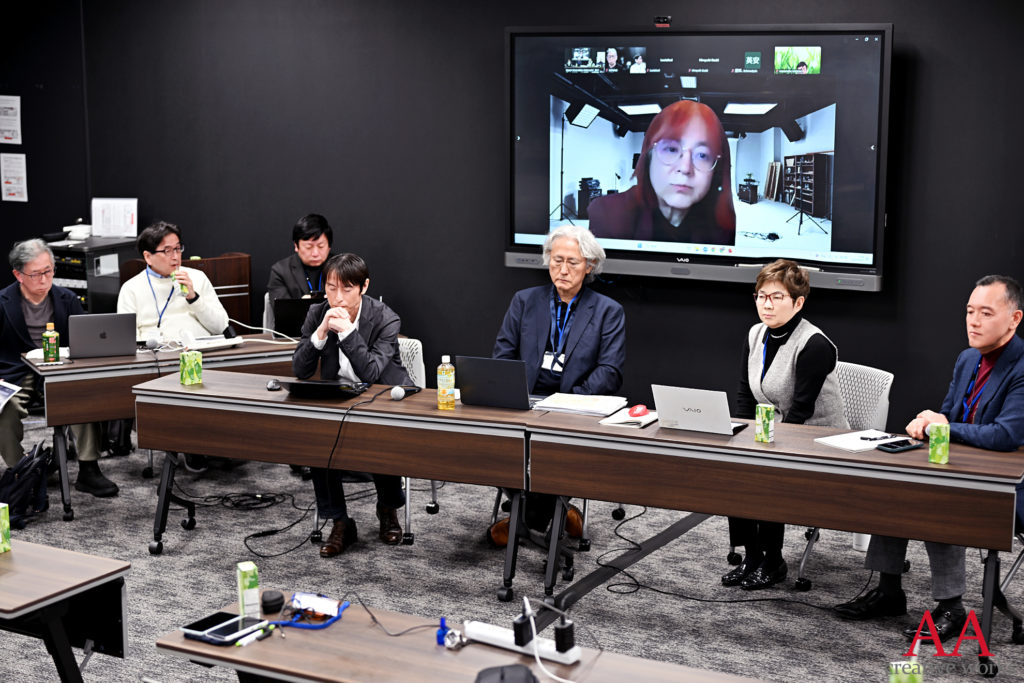
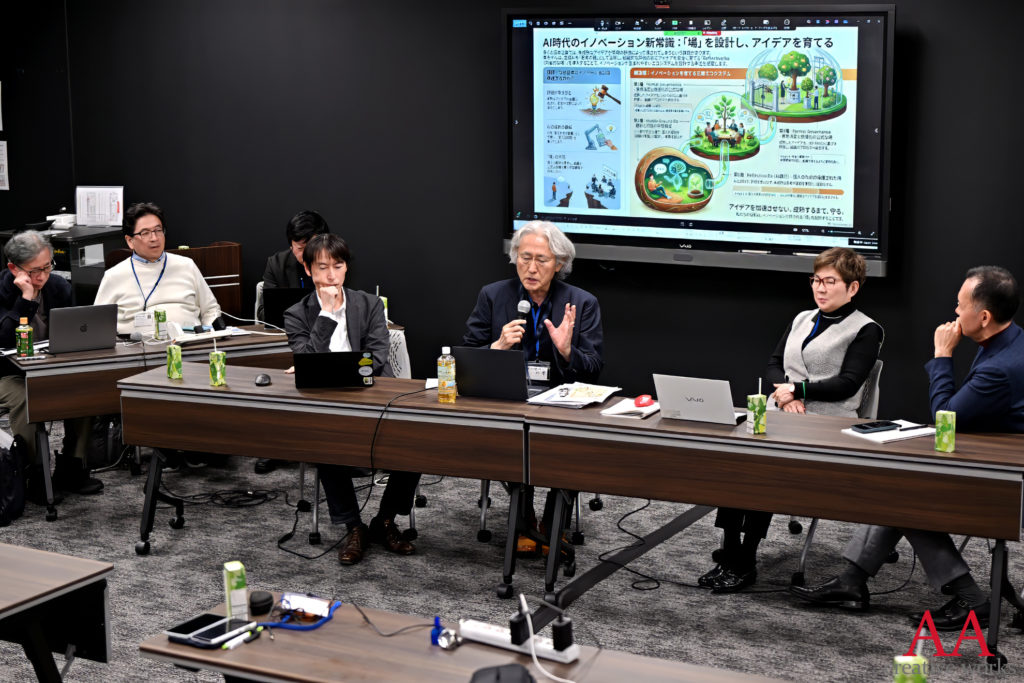
On this day, the final event of fiscal 2025 of “IM Lab,” a program in which industry, government, and academia cooperate to seek next-generation innovation management, was held. We report on the blueprint for the revival of the Japanese economy seen from the discussions of the multi-talented speakers.
A Paradigm Shift in Strategy — From “Competition” to “Co-creation”
Kicking off the event was JIN Executive Chairman Noboru Konno. A dramatic change in strategy trends since the 2000s is shown in the data.
“While interest in Michael Porter’s’ competitive strategy’ has declined, the’ innovation ecosystem’ has risen sharply. The era in which a single company can win is over, and we have entered an era in which the value of the entire ecosystem is maximized.”
Noboru Konno pointed out that the leaders of Japanese companies also recognize “ecosystem construction” as the most important management theme, but they are hesitating over “specific construction and management methods”. He explained that the significance of IM Lab’s existence is to solve the “cloud” with theory and practice.
ISO 56000 series as a common language
In response to the lack of a common language, JIN’s Hiroyuki Ozaki stressed the significance of the ISO 56000 series of standards, which are being internationally standardized.
Of particular note is the ongoing formulation of ISO 56012 (Innovation Ecosystem Management), which, according to Hiroyuki Ozaki, will be a “common framework” for engaging companies, governments, academia, and citizens. By sharing definitions of roles such as “orchestrator” and “compliers,” the previously opaque process of collaboration will become visible. In anticipation of its official publication in 2027 and 2028, it is essential for Japanese companies to be equipped with this “standard” as literacy in order to maintain their global competitiveness.
Breaking the “Ego System” Trap
In the panel discussion, Mr. Masaru Sato of J-FEEL Consultant Co., Ltd. skillfully moderated, and the practitioners’ true feelings burst out.
Masanobu Todome, CEO of SUNDRED, Inc., harshly criticized the “ego system” trap that many Japanese companies fall into.
“People talk about ecosystems, but they often fail by trying to create customer lock-in and company-driven pyramid structures. A true ecosystem should start with an’ altruistic’ design that provides value to all participating players.”
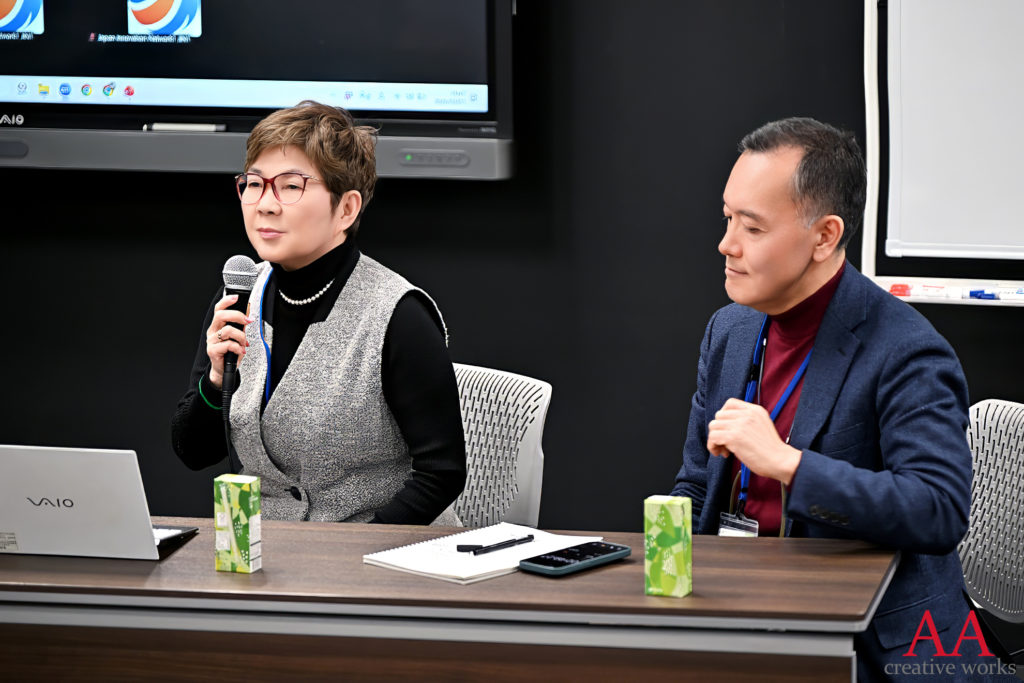
This point of view was reinforced by Hidetoshi Jin of Fujitsu Limited, which is building a “regenerative ecosystem” centered on AI and people through “Fujitsu Uvance.” Hidetoshi Jin pointed out that the key to the success of cross-industry collaboration (cross-industry) is to build a reliable “data space.”
“By securing an environment in which data can be shared safely, rather than being locked up by one company, we will achieve both the resolution of social issues and business growth.” This is a new role model for large companies to act as orchestrators.
Education and Regional Revitalization: The Counterattack to the “2040 Problem”
The discussion was not limited to industrial theory, but also covered social sustainability and education. Yukari Nagai, a professor at the Japan Advanced Institute of Science and Technology, advocated a redefinition of creativity against the backdrop of the serious “2040 problem.”
“The’ high degree of homogeneity’ that has been emphasized in education up to now is just a drag in the ecosystem. What is needed is the ability for different personalities to collide and co-create new value.”
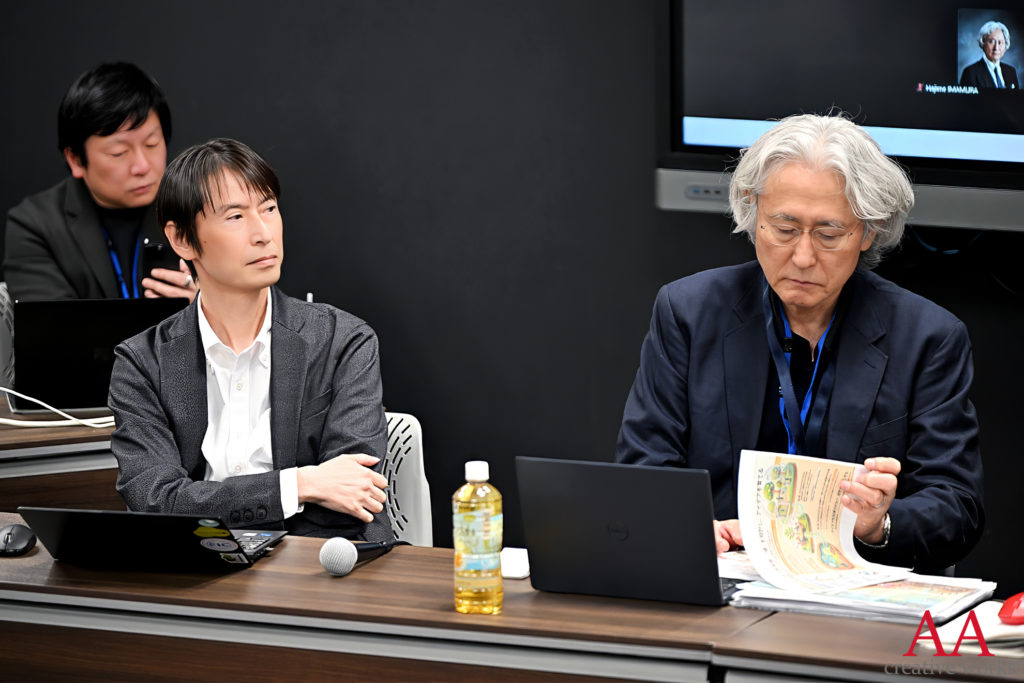
Hajime Imamura, professor emeritus at Toyo University, echoed this view and proposed a “three tiered” educational reform for the next generation (Generation Alpha and beyond). It is not the power to guess the right answer, but the power to ask questions and take action while co-creating with the AI. A strong message was cast at the scene of junior high and university education that the world will not move just by “knowing”.
As a specific local case, a report on the practice of “agricultural DX” by Sumie Morita, a professor at Akita Prefectural University, attracted attention.
Citing examples such as the Spanish region of Catalonia, Sumie Morita pointed out that what is lacking is a sense of “data sovereignty.” By building governance to manage and utilize data in a way that benefits farmers themselves, cutting-edge technologies such as “bear detection AI” and “remotely controlled robots” will become the flesh and blood of local communities for the first time.
Global Connectivity — Strategic Alliance with TCI Network
The highlight of the event was the announcement of a partnership with the TCI Network, the world’s largest cluster network based in Europe. Patricia Valdenebrot, president of the TCI Network, emphasized that ecosystems are not just economic means but “connective tissues” for solving social and environmental issues. In addition, through collaboration with members with global knowledge such as innovation experts Lycia Thiel and Johann Grundstrom Ericsson, it will be a driving force to push the Japanese ecosystem to the “global standard.”
“Lab” as a Testing Ground — Prospects for the Second Period
At the end of the event, Yoichi Oshima, Vice President of Tokyo University of Science and Technology, said, “The first year was a phase of learning theory and building a common language. However, an ecosystem cannot be created just by understanding it intellectually. In the second year, we will enter a more realistic’ experimenting (prototyping)’ phase. We want this IM lab itself to be an ecosystem where all participants can take the initiative.” Yoichi Oshima declared the start of a concrete project involving local communities and companies. Specific plans include the development of an “ecosystem management diagnostic” package prepared by Masanobu Todome and others, and workshops that challenge actual local issues. The second phase of IM Lab in fiscal 2026. It will be the most exciting testing ground where theory begins to move reality.
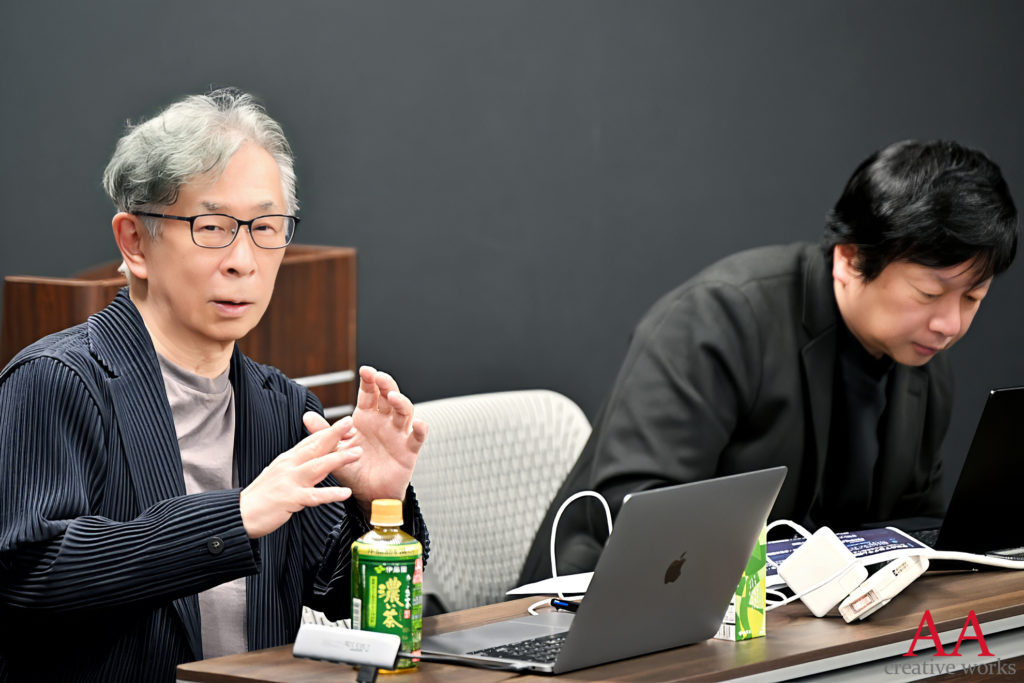
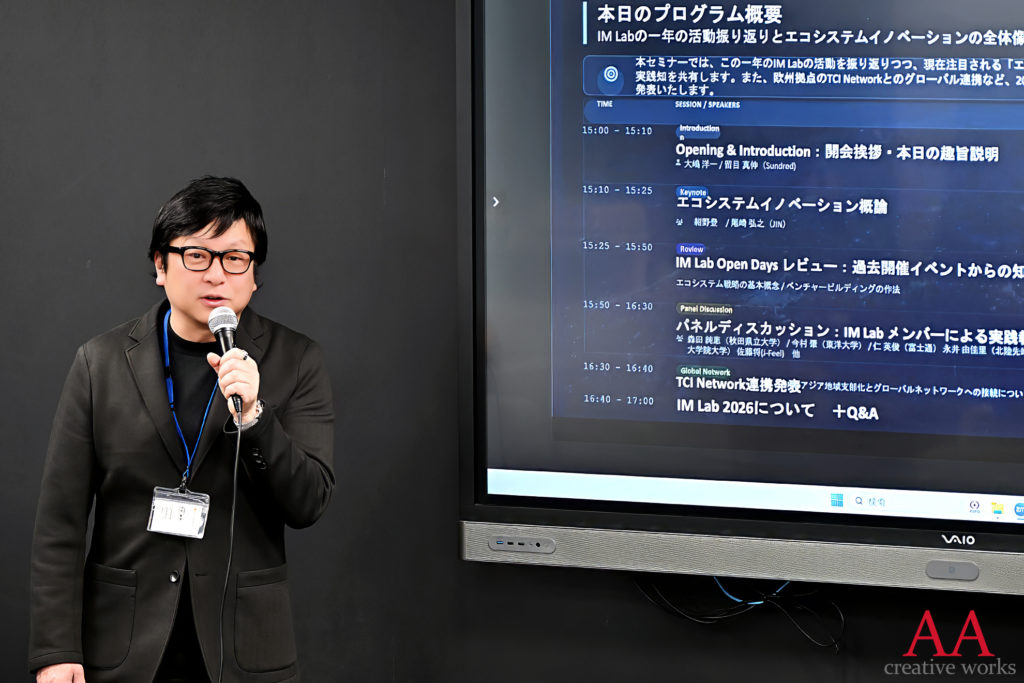
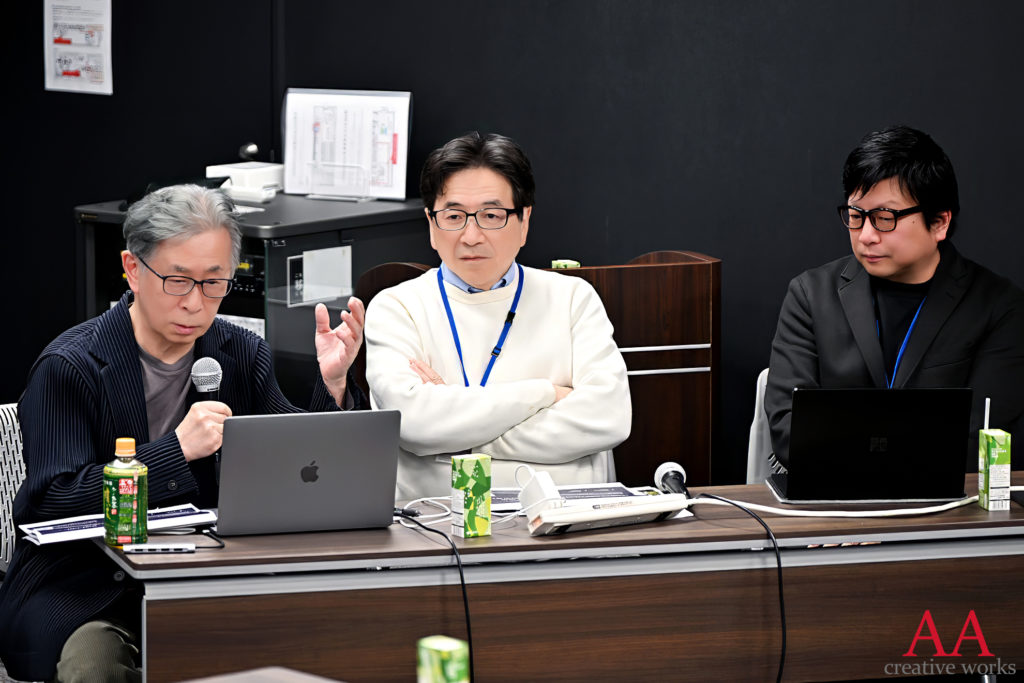

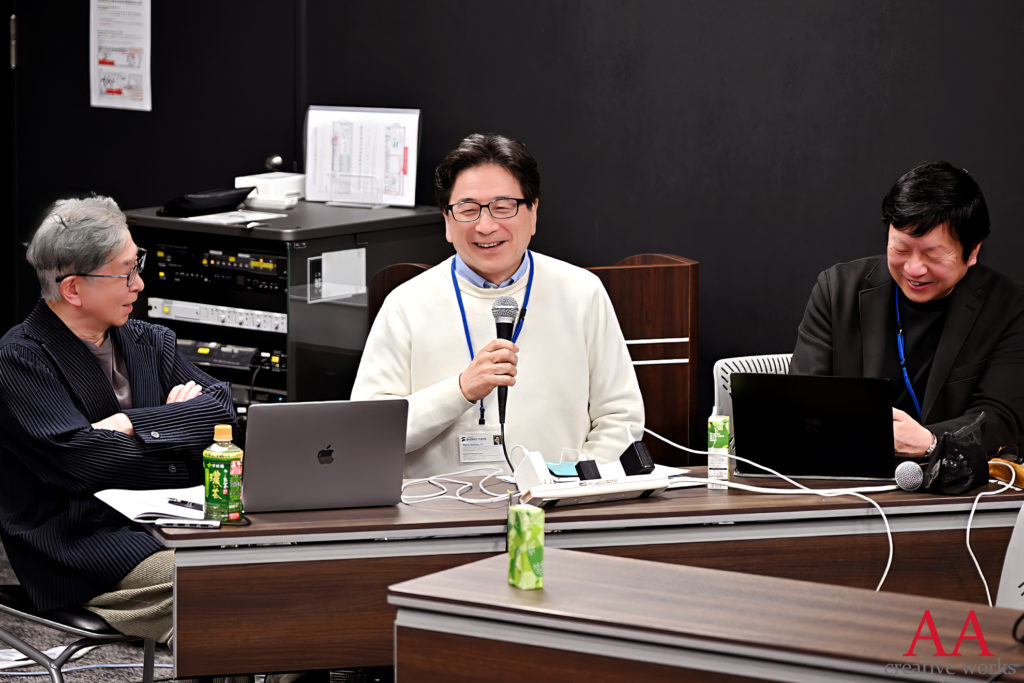
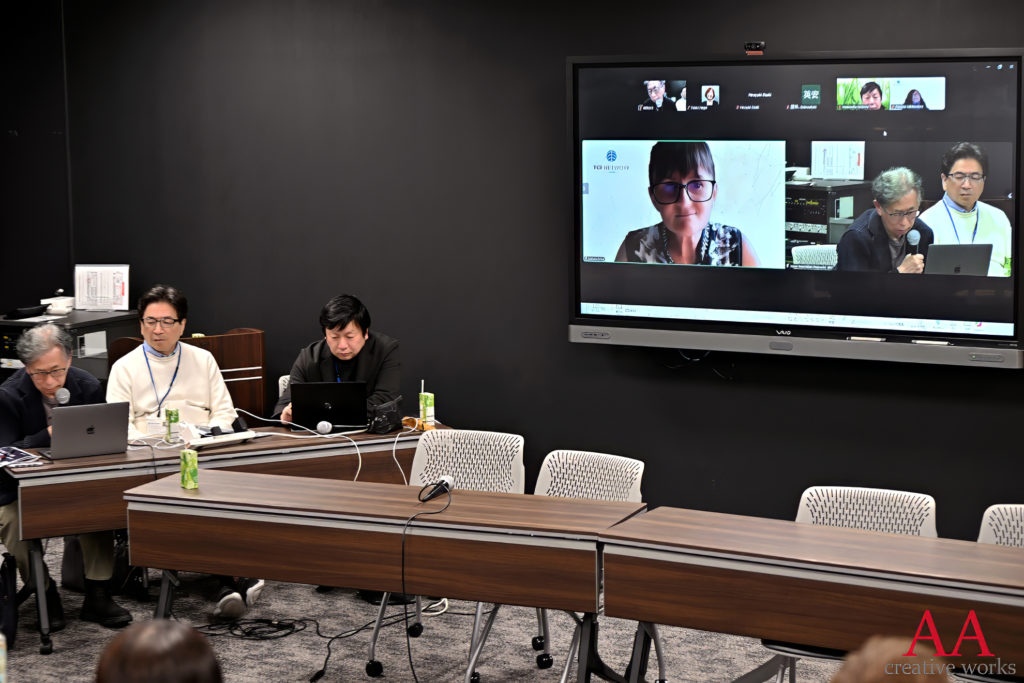
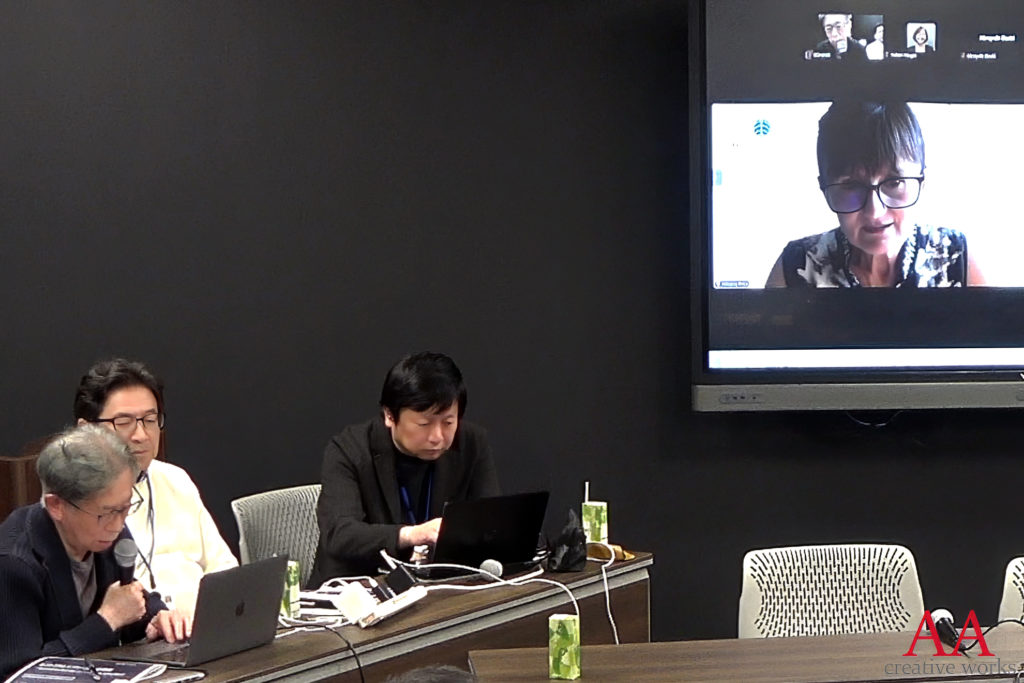
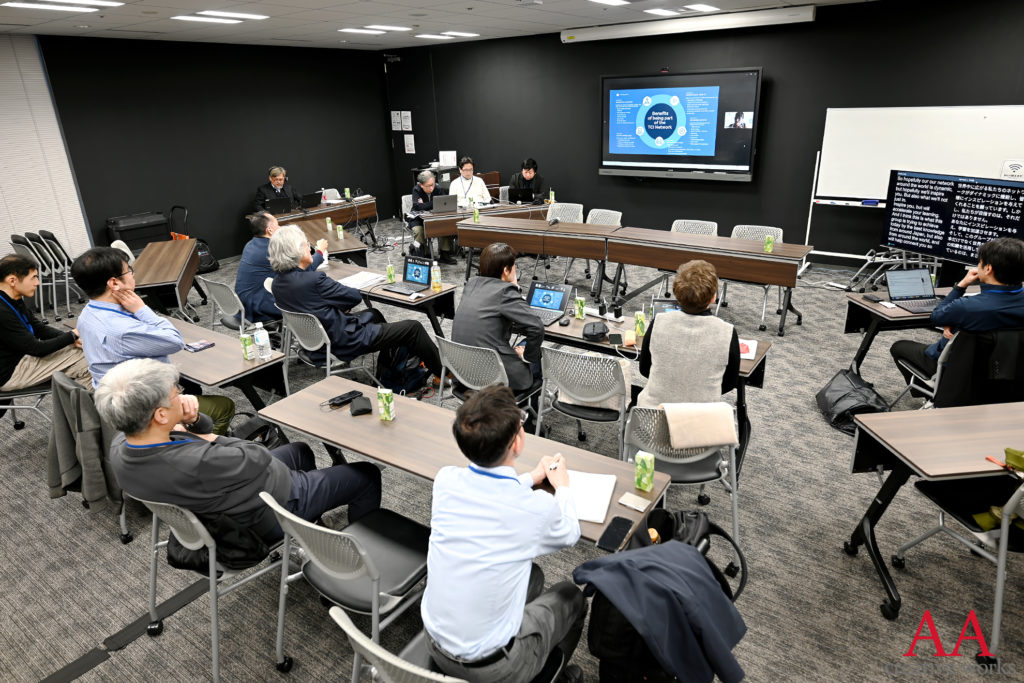
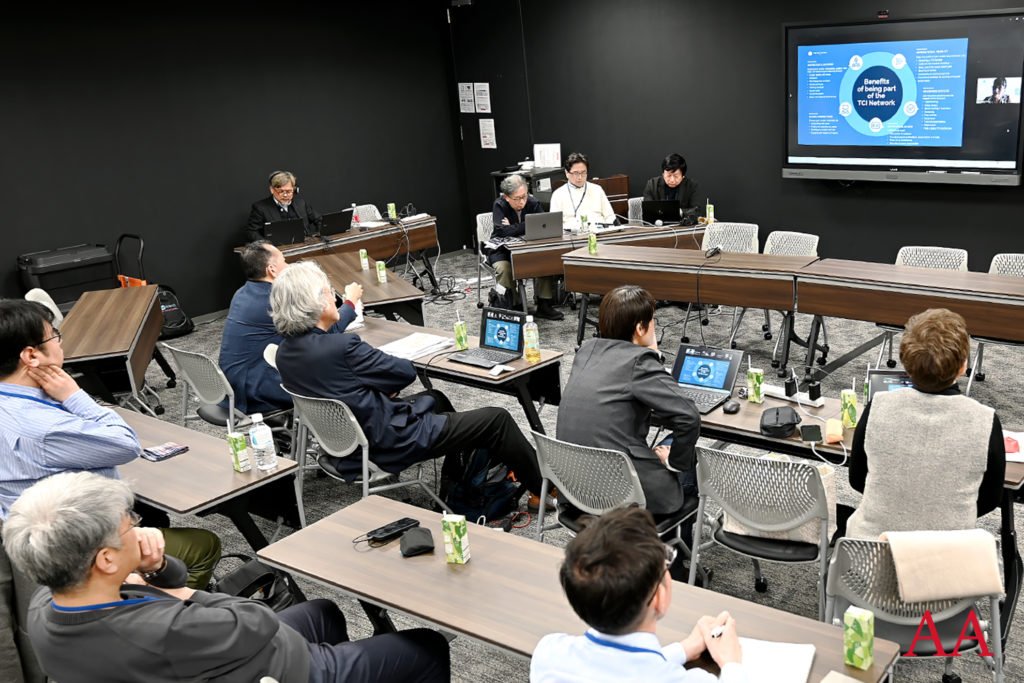
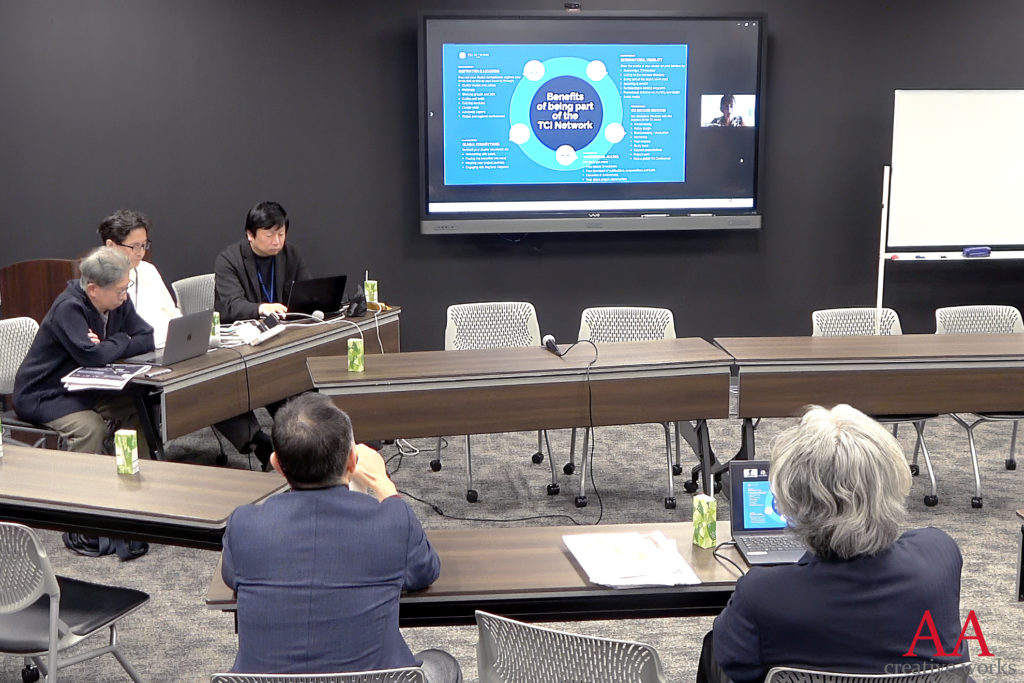
IM Lab Open Seminar: “Ecosystem Innovation Today”
Title: IM Lab Open Seminar: “The Current State of Ecosystem Innovation”
Date and Time: Saturday, March 7, 2026, 3:00 PM – 5:00 PM
Location: 3rd Floor, Urban Net Uchisaiwaicho Building, 1-1-13 Shimbashi, Minato-ku, Tokyo
CROSSCOOP Seminar Room A
Organized by: Japan Innovation Network (JIN)
Agenda:
3:00 PM – 3:10 PM Opening & Introduction
Opening Remarks and Explanation of Today’s Objectives
Yoichi Oshima, Noboru Konno
3:10 PM – 3:35 PM Introduction to Ecosystem Innovation
Current Knowledge and Theoretical Background of Ecosystem Management (Draft)
Industry-Government-Academia Innovation: Yukari Nagai (Japan Advanced Institute of Science and Technology)
From Virtual Enterprises to Interpreneurship: Masanobu Tome (SUNDORED)
IMS Moving Toward Ecosystems: Hiroyuki Ozaki (JIN)
15:35 – 16:00 IM Lab Open Days Review
Sharing Insights and Feedback from Past Open Events
Basic Concepts of Ecosystem Strategy
Best Practices for Venture Building at Scale in Ecosystems
16:00 – 16:40 Panel Discussion: Practical Reports by IM Lab Members
Agricultural Ecosystem (Jun’e Morita, Akita Prefectural University)
University-Based Initiatives (Hajime Imamura, Toyo University)
Fujitsu’s Ecosystem (Hidetoshi Jin, Fujitsu)
Healthcare Ecosystem
4:40 PM – 4:50 PM Presentation on TCIN Network Collaboration
Establishment of JIN’s Asian Regional Branch and Connection to the Global Network
4:50 PM – 5:00 PM Introduction to the IM Lab 2026 Program
Overview of Next Year’s Curriculum and Member Recruitment
◆関連記事
・【REPORT】IM Lab Open Day #2 2025
https://transformjapan.org/perspectives/20260123/
・【REPORT】M Lab Open Days 2025
https://transformjapan.org/perspectives/20251009/
・【REPORT】First SIMA (Good Innovation Award) award ceremony
https://transformjapan.org/sima/report_sm1_20260203/