
【REPORT】IM Lab Open Day #3 2026
2026/07/07
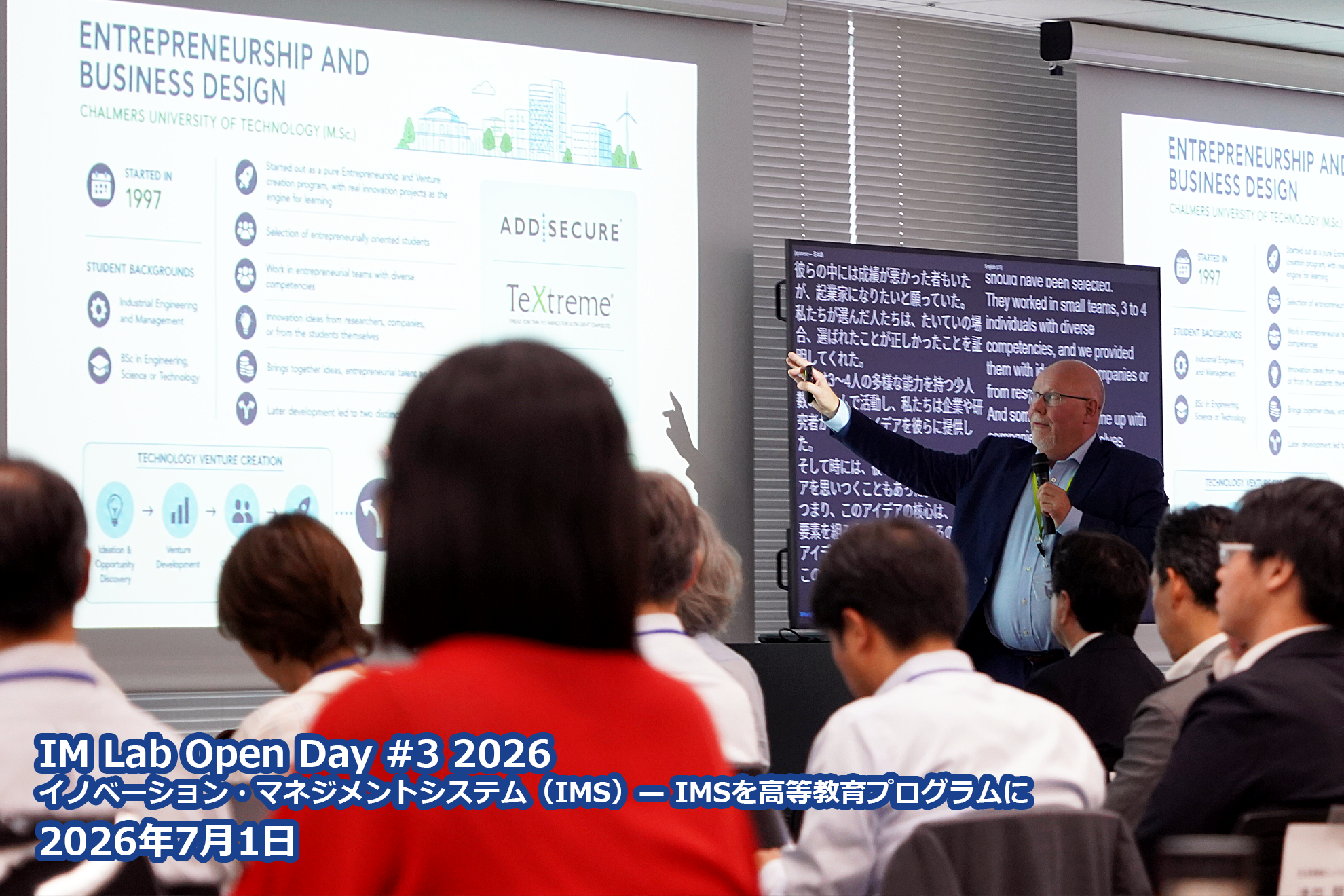
Following the “Executive Innovation Roundtable” held by the Executive Innovation Committee (hereinafter EIC) on August 4, 2025, “IM Lab”—an initiative designed to support the creation of an innovation ecosystem through industry-academia collaboration—was launched. In response, the Japan Innovation Network (hereinafter JIN), a general incorporated association, hosted “IM Lab Open Days 2025” (held on October 9, 2025) and “IM Lab Open Days #2 2025” (held on January 23, 2026).
In this post, we’ll share a report and a highlight video from “IM Lab Open Days #3 2026,” the sequel to the previous event. To watch the highlight video, please click on the YouTube video within the blue box below.
EIC YouTube Channel
IM Lab Open Days #3 2026(Digest video)
Introduction: IMS as a Survival Strategy Amidst Geopolitical Volatility and AI
The contemporary global landscape has reached a critical inflection point where innovation must transition from a corporate aspiration to a fundamental survival strategy . Organizations today are besieged by intensifying geopolitical volatility, the systemic risks of climate change, and the disruptive force of Generative AI, which acts as an accelerant that renders traditional, stagnant business models obsolete. Invoking Darwinian principles of natural selection, we must recognize that survival in this era is reserved exclusively for those capable of rapid, systemic adaptation. For states and corporations alike, the ability to evolve is no longer optional; it is the only viable defense against the accelerating obsolescence of the status quo.
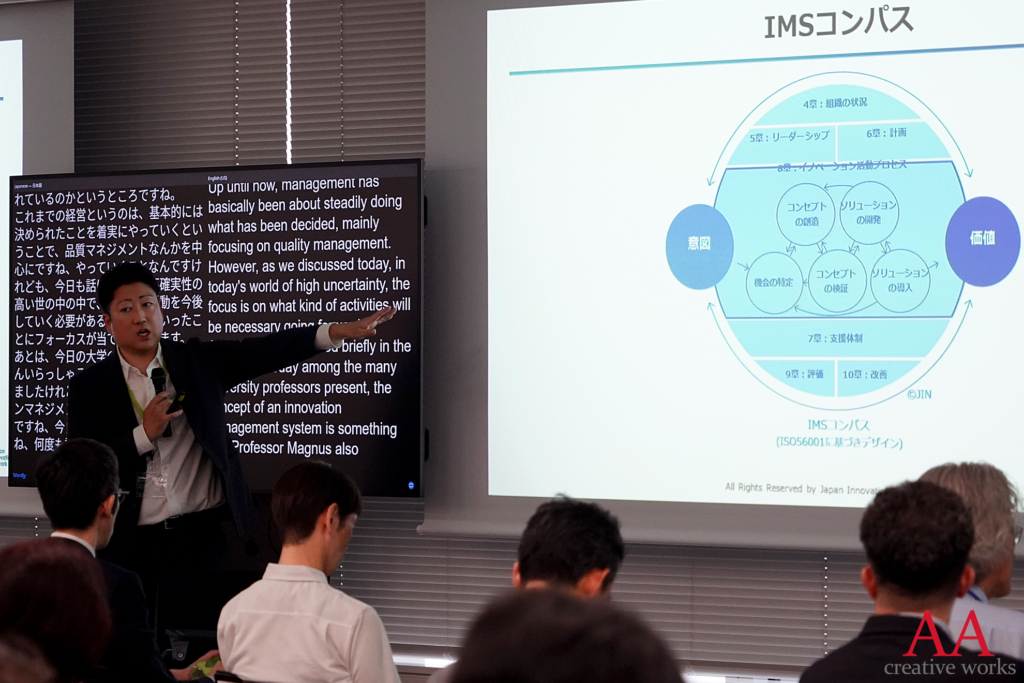
The “IM Lab Open Days #3 2026” forum was convened to codify this urgency, asserting that innovation can no longer be left to the “sweet illusions” of personal inspiration or accidental luck. As closed, siloed corporate strategies encounter their structural limits, the mandate is clear: innovation must be professionalized as a “designable management system” (IMS). This report frames IMS not merely as a set of processes, but as the essential blueprint for a next-generation ecosystem. By moving from episodic creativity to a disciplined, architecture-driven management framework, organizations can build the repeatable capacity required to generate sustained value in an increasingly volatile global market.
European Benchmarks: The Triad of Engineering, Management, and Design
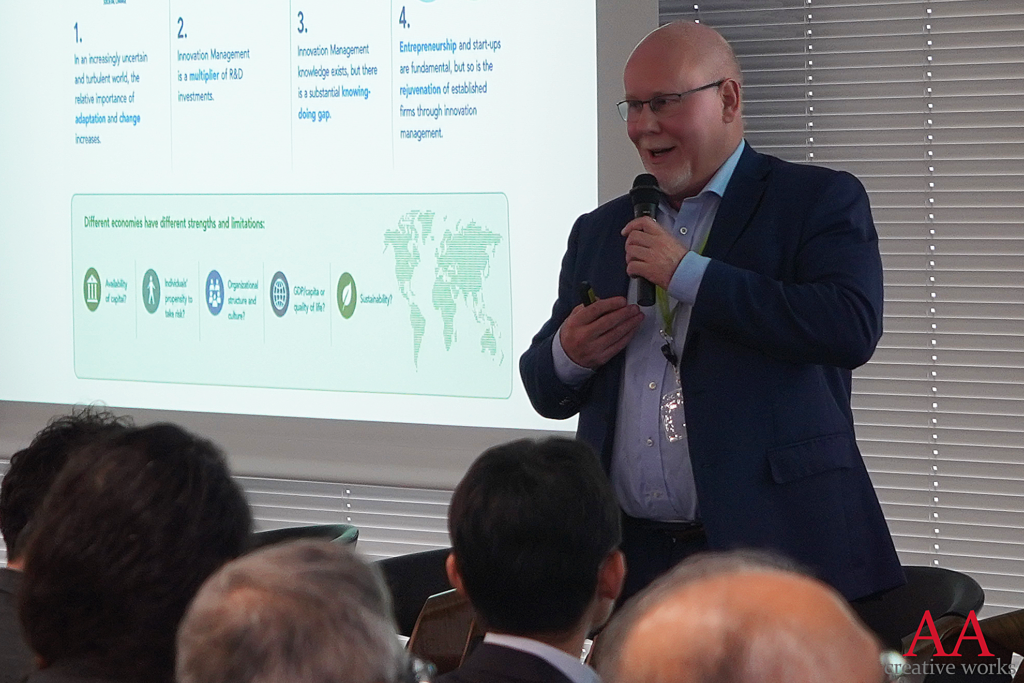
In lead-benchmarking European innovation education, Professor Mats Magnusson of the KTH Royal Institute of Technology identifies the resolution of the ‘Knowing-Doing Gap’ as the primary challenge facing modern academia. Despite decades of theoretical advancement, a profound disparity remains between academic insights into innovation and their practical execution within complex organizations. To bridge this divide, Magnusson advocates for a rigorous integration of Engineering, Management, and Design. This triad ensures that technological potential is not merely discovered but is systematically converted into viable business models and user-centric solutions, shifting the focus from isolated R&D to holistic value orchestration.
The Scandinavian model, particularly that of Chalmers University of Technology, provides a sophisticated typology through its “Venture Creation Track” and “Corporate Entrepreneurship Track.” These programs utilize ‘Living Labs’ as high-stakes platforms where students and industry partners confront ‘Wicked Problems’—complex, interdependent challenges such as decarbonization and urban mobility that defy linear solutions. By experimenting in these “fail-safe” real-world environments, participants transform abstract theory into actionable intelligence. Within this orchestration, ISO 56000 serves as the “shared language,” enabling diverse stakeholders to synchronize efforts across traditional institutional and sectoral boundaries.
Japan’s National Strategy: Redefining Standardization as a Market Creation Tool
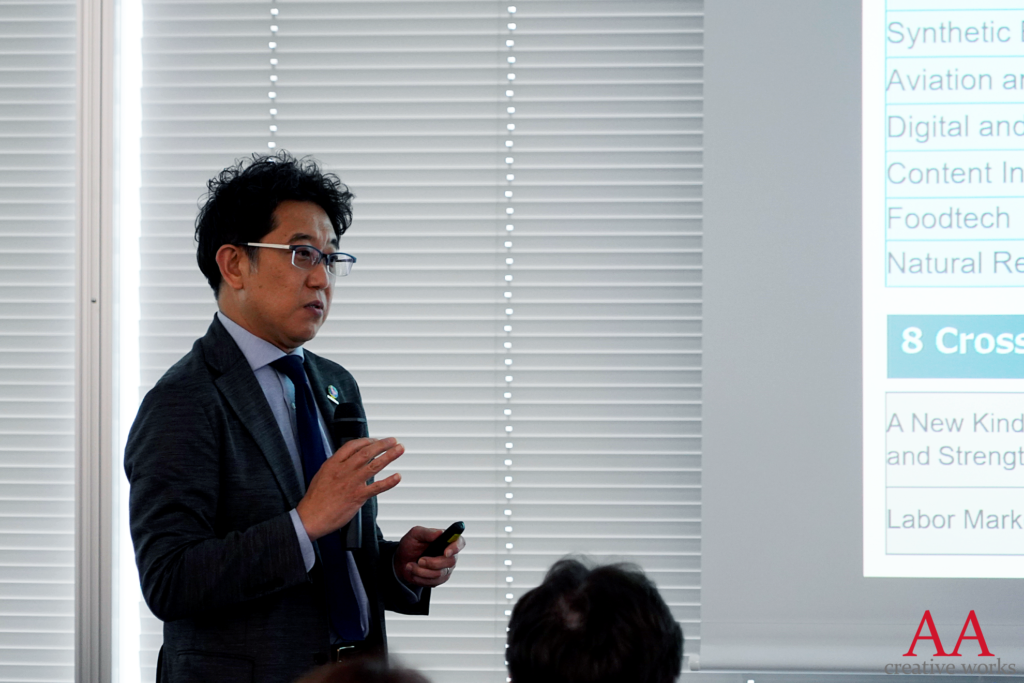
Japan currently faces a stark structural paradox: while national R&D investment remains at record highs, the country’s global innovation standing continues to falter, ranking 12th in the Global Innovation Index and 35th in IMD Competitiveness. This recurring failure to translate scientific excellence into market dominance—often characterized as “winning in technology but losing in business”—demands a radical shift in policy. In response, Jingo Kikukawa of the Ministry of Economy, Trade and Industry (METI) is spearheading a strategy that redefines international standardization not as a compliance burden, but as a proactive tool for market creation and global trust.。
Central to this strategy is the alignment with the Prime Minister’s administration, which has identified 17 strategic fields and 8 cross-cutting issues as pillars for national renewal. In this context, ISO 56001 (Requirements) and ISO 56011 (Competence) are positioned as a “leadership framework” designed to strengthen industrial competitiveness through the creation of new market rules. By adopting IMS as a foundational “Operating System” (OS), Japanese organizations can achieve the critical “conversion” of technological superiority into sustained economic value. This systemic approach is the prerequisite for moving beyond a linear R&D model toward a market-driving capability that commands global influence.
Governance in Global Ecosystems: The ‘Multiple Helix’ and Discipline
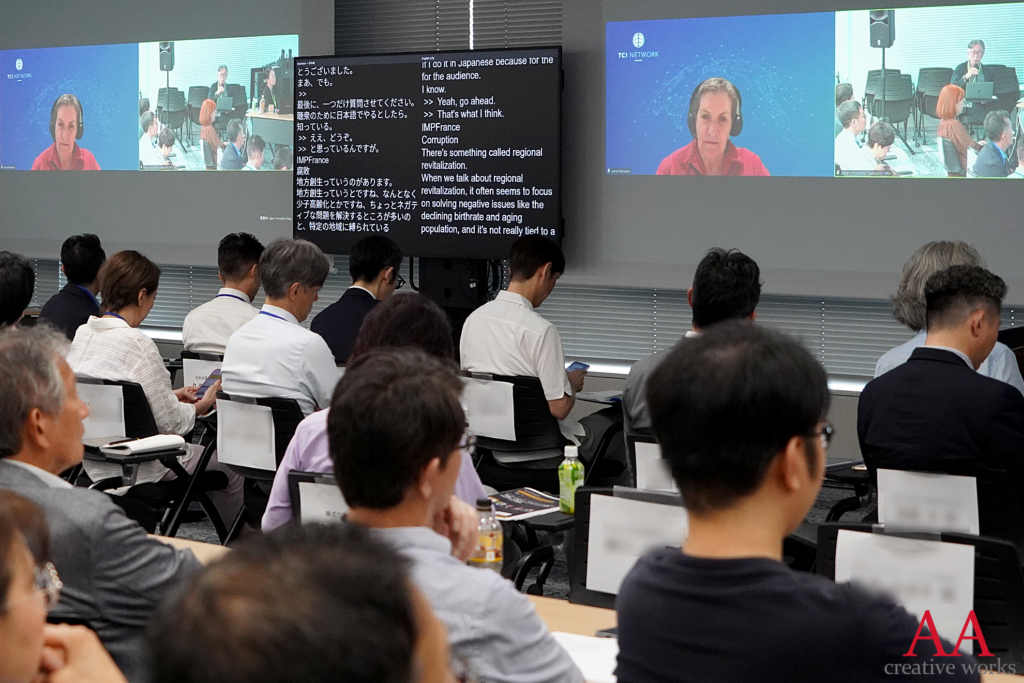
Annie Renders of the Flemish Innovation & Entrepreneurship agency (VLAIO) introduces the ‘Multiple Helix’ model as the definitive governance structure for modern ecosystems. Moving beyond the traditional Triple Helix, this model integrates industry, academia, government, investors, and society into a strategic network where industry must occupy the ‘Driver’s Seat’. The efficacy of this model is predicated on the application of ‘Intervention Logic’—a rigorous framework for mapping specific activities to long-term societal and economic outcomes through transparent KPI management. This ensures that the ecosystem remains a disciplined engine of growth rather than a loose affiliation of interests.
The success of this approach is illustrated by the cross-cluster collaboration in the food packaging sector, where chemical, food, and logistics industries synchronized their roadmaps to solve the dual challenges of decarbonization and economic profitability. Such ‘Boundary Spanning’ initiatives succeed only when underpinned by clear governance—typically through a non-profit board—and a commitment to a 5-to-10-year investment “discipline.” By maintaining this long-term horizon, the ecosystem can navigate the complexities of cross-sectoral transitions while ensuring that innovation projects are scaled into tangible market solutions.
The Institutional Inertia: Overcoming the 1980s Legacy
The primary bottleneck hindering Japan’s innovation capacity is the deep-rooted “institutional inertia” found within its higher education and corporate sectors. Many MBA and MOT programs remain anchored in 1980s-era curricula, failing to address the systemic nature of modern value creation. This is exacerbated by the rigid “silos” within both universities and functional corporate organizations, where over-specialization in PhD programs often produces researchers who lack the systemic view required for industrial leadership. These structural barriers prevent the cross-pollination of ideas and the agility necessary to compete in a Gen-AI driven global economy.
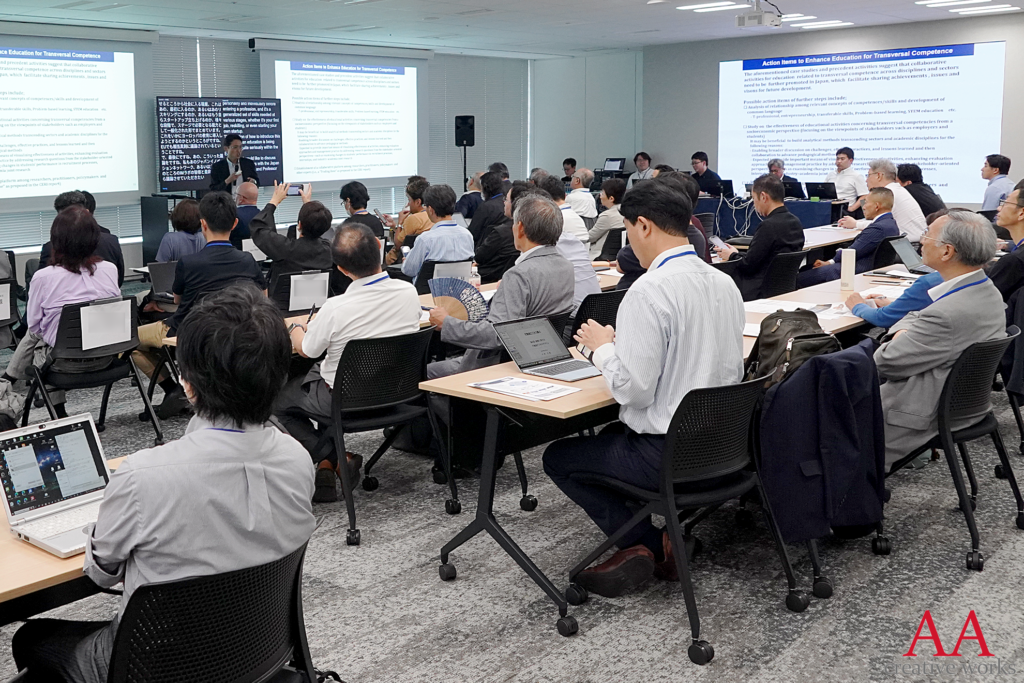
To overcome these legacies, the professionalization of innovation management must focus on developing ‘Transversal Competency’—the human ability to “connect the dots” across disparate domains and oversee the innovation system as a whole. As AI automates routine managerial functions, human value will reside in the design, assessment, and orchestration of complex IMS architectures. Leading institutions, such as the Institute of Science Tokyo (formerly Tokyo Tech), are now evolving into “innovation capability hubs.” These hubs are designed to dismantle academic silos and work directly with regional stakeholders, transforming the university from a supplier of knowledge into a practitioner of challenge-based innovation.
Conclusion and Strategic Recommendations: The Era of Disciplined Innovation
The era of treating innovation as a vague aspiration or the domain of a select few “geniuses” has ended. We must now embrace innovation as a “Discipline”—a systematic, repeatable practice that is embedded within the organizational DNA. Japan is uniquely positioned to lead this transformation, drawing on its historical success in the Quality Control (QC) movement. By applying that same level of systemic rigor to Innovation Management Systems, Japan can transform its technical assets into a sustainable global competitive advantage.
To catalyze this transformation, we propose the following strategic mandates for the “IM Lab” (JIN and Institute of Science Tokyo) and its stakeholders:
Elevate Governance to the C-Suite: Mandate that executive boards treat innovation management capability as a ‘Board-level responsibility’, ensuring it receives the same strategic oversight as financial or risk management.
Standardize the Lingua Franca: Integrate the ISO 56000 series as a mandatory “shared language” across all academic and professional disciplines to eliminate communication barriers.
Institutionalize Living Labs: Open universities as real-world ‘Living Labs’ that provide the infrastructure for cross-sectoral problem-solving and systemic experimentation.
Looking toward 2026 and beyond, the objective is the consistent conversion of technical superiority into social and economic value. By activating the IMS architecture, Japan will move from the “sweet illusions of coincidence” toward a future of disciplined, systemic practice. This commitment to an integrated innovation operating system will be the defining factor in securing Japan’s role as a leader in the 21st-century global economy.

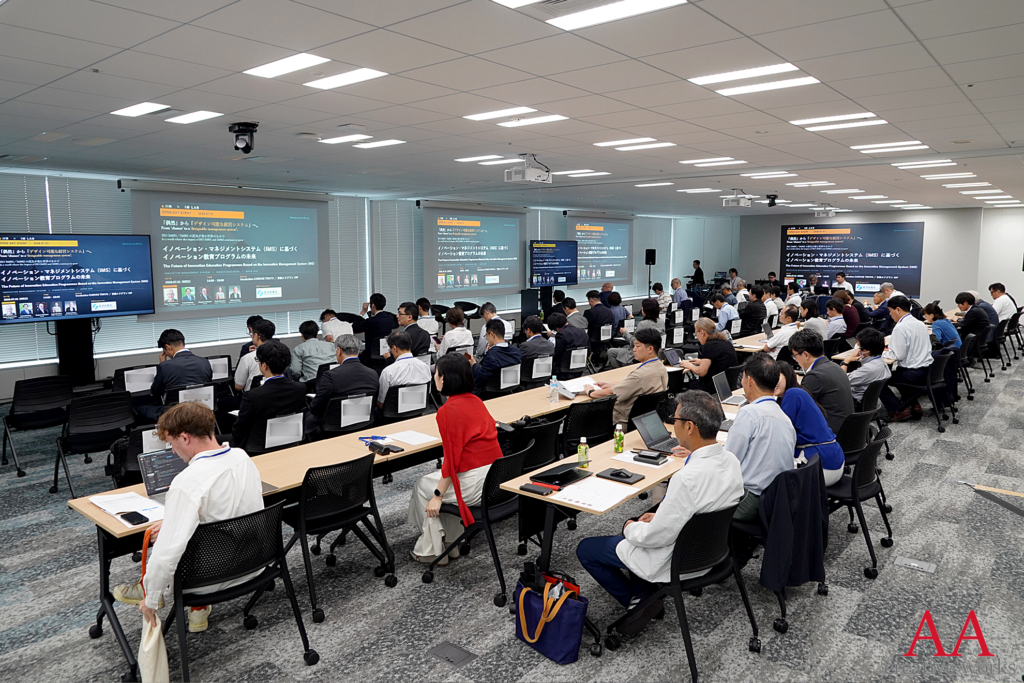
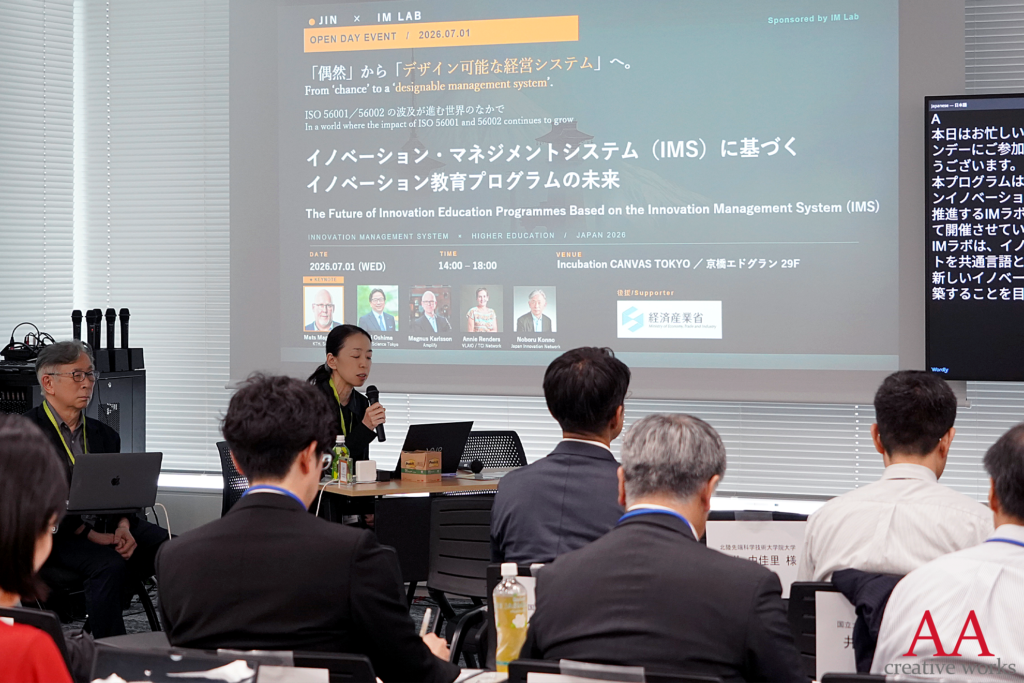
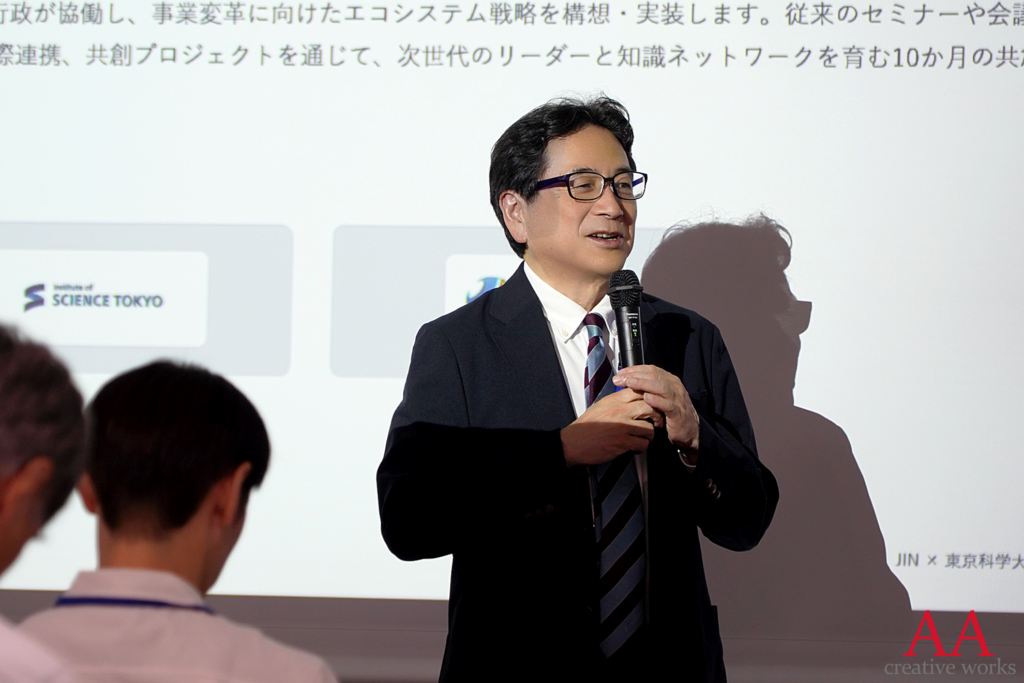



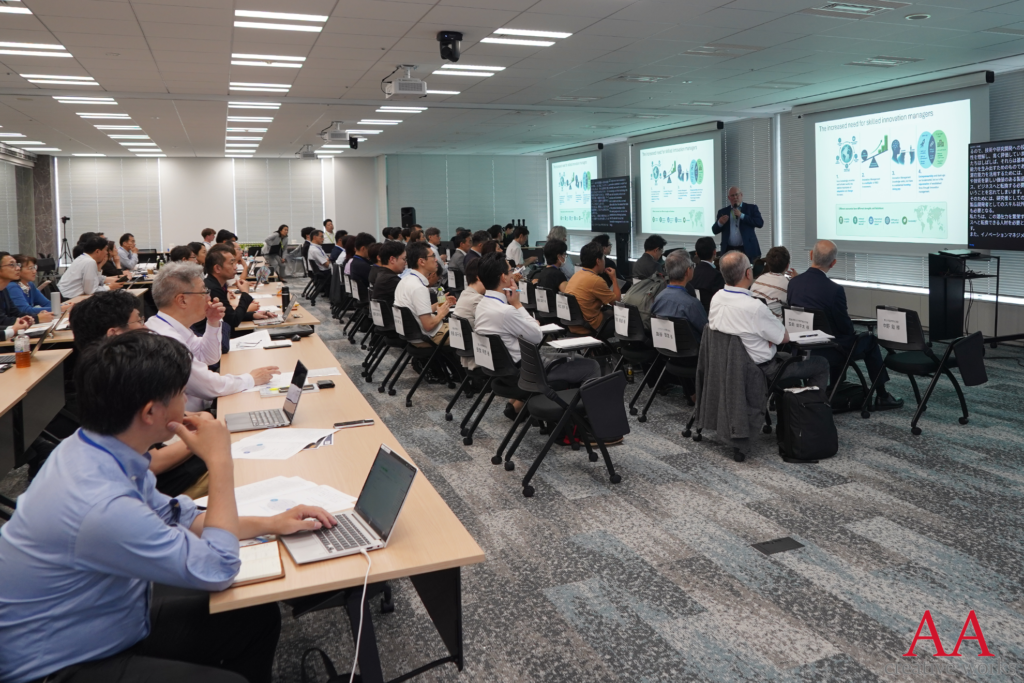








IM Lab Open Days #3 2026
Event Name: IM Lab Open Days #3 2026
Date and Time: Wednesday, July 1, 2026, 2:00 PM – 6:00 PM
Location: 29th Floor, Kyobashi Edogran, 2-2-1 Kyobashi, Chuo-ku, Tokyo
Incubation CANVAS TOKYO
Organized by: Japan Innovation Network (JIN), a General Incorporated Association

Agenda:
▼2:00–2:10 p.m. Opening
Purpose of the event, the role of JIN × IM Lab, and introduction of key issues
▼2:10–2:40 p.m. Keynote Speech
Professor Mats Magnusson, KTH (Royal Institute of Technology, Sweden)
Innovation Management Education in Europe and the Future of IMS
▼2:40–3:10 p.m. Sharing Policy Perspectives
IMS certification activities, project management from an innovation perspective, and cross-disciplinary intelligence
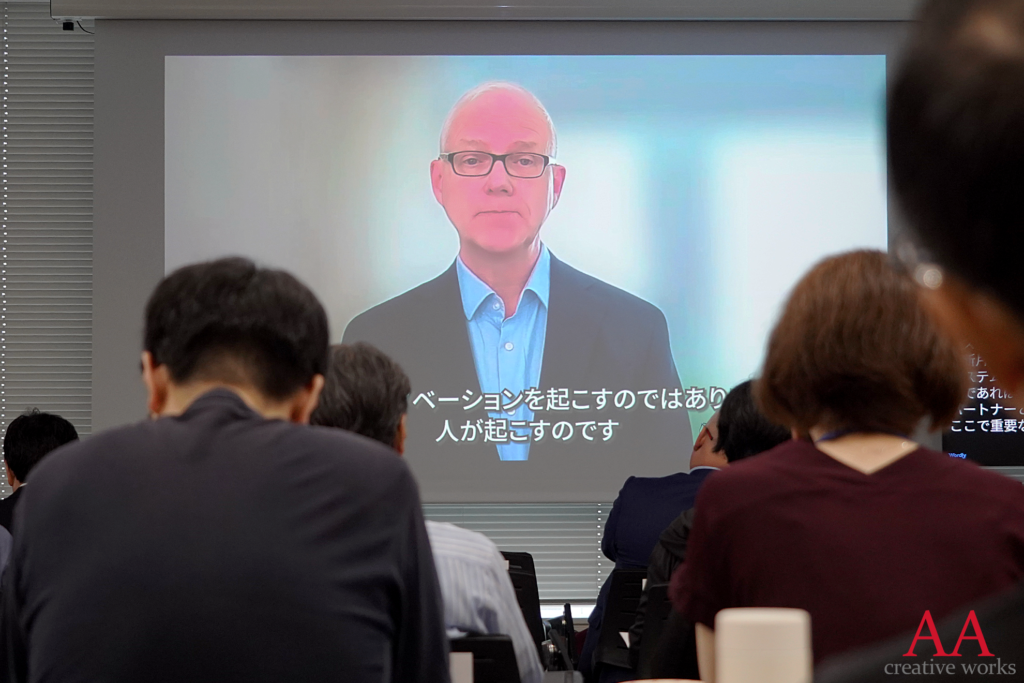
▼3:10 PM – 3:20 PM Message from Abroad
Boosting Japan’s Innovation Performance
▼3:20 PM – 3:30 PM Break
Networking among participants, Q&A
▼3:30 PM – 3:50 PM Proposed IMS Higher Education Program
Proposed curriculum for implementing ISO 56000 and cross-disciplinary intelligence in higher education
▼3:50 PM – 4:30 PM Panel Discussion
Feasibility of Implementing IMS Education by Japanese University Faculty, Expansion into MBA/MOT Programs, and Formation of Research Groups
▼4:30 PM – 4:50 PM Innovation in Ecosystems
Flanders’ Cluster Policy, Practical Knowledge of Regional Innovation Ecosystems
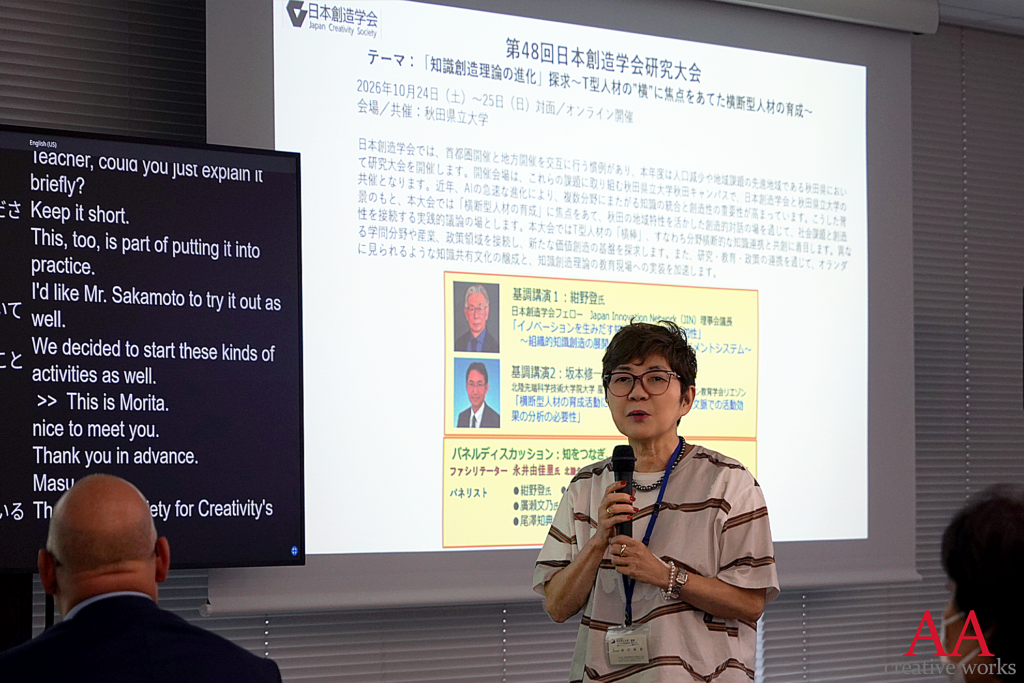
▼4:50 PM – 5:00 PM Guidelines for Future Activities
Implementation of the MBA Curriculum, Research Programs with the Japan Society for Creativity, and Sustaining the Community
▼5:00 PM – 5:10 PM Closing Remarks
Next Steps for Participants, Registration Information, and Survey
▼5:20 PM – 6:00 PM Optional Networking Session
Networking among Speakers and Participants
◆Related Articles
・【REPORT】IM Lab Open Day #2 2025
https://transformjapan.org/perspectives/20260123/
・【REPORT】IM Lab Open Days 2025
https://transformjapan.org/perspectives/20251009/
・【REPORT】Noboru Konno at the European Drucker Association Senior Fellow Award Ceremony
https://transformjapan.org/perspectives/20250701/