
【REPORT】Executive Innovation Roundtable 2 “Future Innovation Roundtable”
2026/03/06
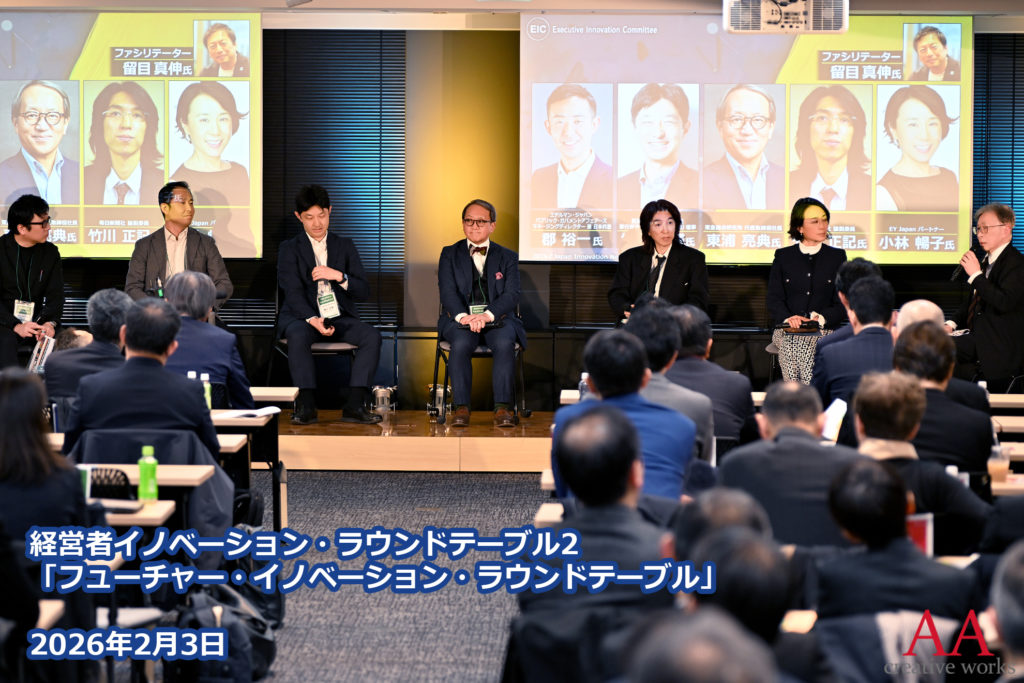
The Executive Innovation Committee (hereinafter referred to as “EIC”) held the Executive Innovation Roundtable 2 “Future Innovation Roundtable” on February 3, 2026. We will communicate the situation with a report and a digest video. Please watch the digest video by playing the YouTube video in the blue frame below.
EIC YouTube Channel
Executive Innovation Round Table 2 “Future Innovation Round Table” (digest video)
The Last Pass for the Revival of Japan — Driving a Wedge of Industry, Government, and Academia into the Wilderness of “BANI”
Leaders from industry, government, and academia gathered to discuss the current state and future of Japanese innovation “in a flat manner.” Key members Noboru Konno, Chairman of the Japan Innovation Network (JIN), Ryosuke Higashiura, CEO of the Tokyu Research Institute, and Masaki Takegawa, editorial writer of the Mainichi Shimbun, said that the word “VUCA,” which once described the world, is now becoming a relic of the past, and that we are in an even harsher “BANI” era in Imadate.
Noboru Konno emphasizes that innovation is not “something special that happens once in a while,” but has transformed into “a systematic activity that is carried out continuously on a daily basis.” Ryosuke Higashiura raised the issue that the formation of an “ecosystem” that transcends industries has lagged behind that of other countries, despite the fact that individual elemental technologies are available in the country. Masaki Takegawa explained the significance of a place where the public and private sectors cooperate to enhance national resiliency in an all-out war in the digital age.
Yesterday’s rules of success suddenly crumble one day. In this unpredictable wilderness, how should the Japanese nation steer its course? The conversations that took place at the Managerial Innovation Roundtable went beyond mere technical theory and took on the weight of a national survival strategy, defining innovation as not just “something outside the line” but as a routine and systematic challenge requiring disruption through the ecosystem.
Noting that the 2024 and 2025 Nobel Prizes in Economics focused on the relationship between innovation and institutions, Hitoshi Kikukawa of the Ministry of Economy, Trade and Industry (METI) reported that the Japanese government, with the aim of making Japan a “new technology nation,” has given three clear instructions: (I) acceleration of social implementation, (ii) creation of markets through government procurement, and (iii) utilization of international standards and planning. In addition, the current situation, in which the exit of Asian startups is toward the Tokyo Stock Exchange (TSE), has reaffirmed expectations for the role of Japan.
Keynote 1: Transition to a Platinum Society
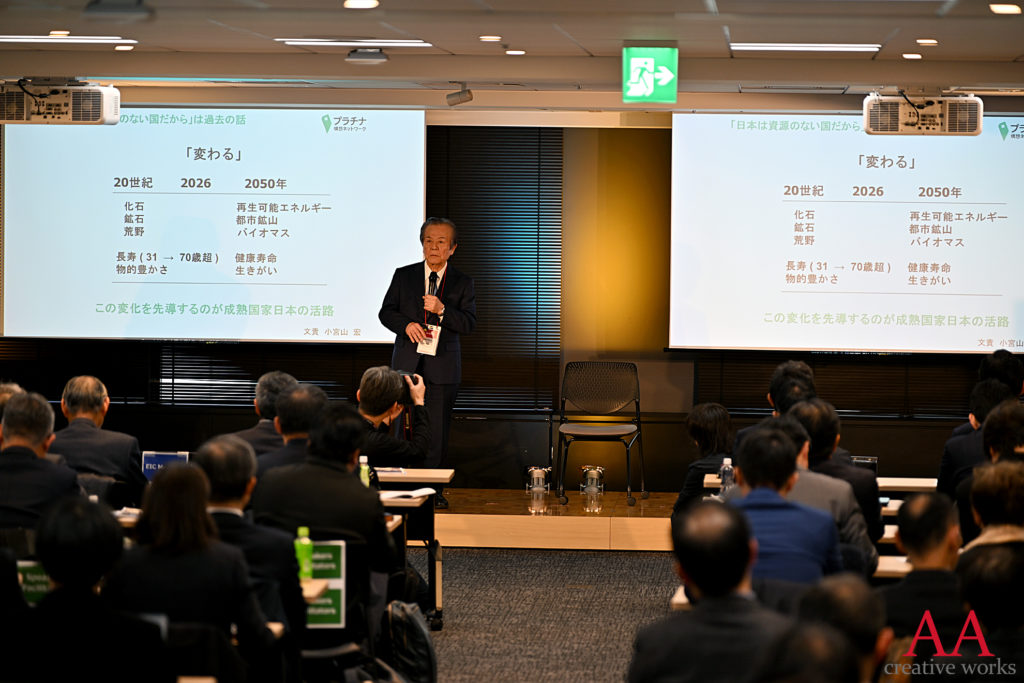
三Hiroshi Komiyama, president of Ryohi Research Institute, advocated the realization of a “platinum society” in anticipation of 2050.
・ Resource self-sufficiency: Shift from fossil resources to renewable energy. Shift to a “resource self-sufficient country” that does not rely on underground resources by utilizing urban mines and biomass.
・Solar sharing: Combine power generation and agriculture by utilizing abandoned farmland, etc. It is possible to recover the initial investment in about five years, and it will become the core of regional energy self-sufficiency and economic revitalization.
Lifetime growth and industry: Develop human resources, health, and tourism (showcase of a platinum society with a visible future) as new industries. In particular, the importance of creating a system to direct individual money into investment in “social common capital” (domestic investment) was emphasized.
Keynote 2: Integration of security and economy
In a video message, International Institute for Strategic Studies (IISS) Japan Chair Robert Ward pointed out that “economy and security have become inseparable” due to increasing geopolitical risks. In response to the rise of the People’s Republic of China and the situation in Ukraine, innovation has become an issue not only for corporate profits but also for “national survival.” He praised the use of the term “comprehensive national power” in Japan’s 2022 National Security Strategy, in which innovation was positioned as an indispensable element.
Recommendations of the five thematic round tables
In the subcommittee, “over-governance (excessive management)” and “vertical division (ministries and agencies, companies, and academia)” that hinder innovation in Japan were raised as common issues.
- Creative Industries:As a “Super Galapagos,” it thoroughly delves into the unique Japanese context and connects to the world digitally. It is necessary to establish the evaluation axis of intangible assets.
- Environment:We will link environmental value to Japanese values such as the spirit of “mottainai” rather than just cost, and bring about consumer-driven innovation.
- Local area (innovation district):Cities are not just objects, but places where diversity, complexity, and “connectors” should be valued.
- Security:Promote dual-use (for both civilian and military use). It is necessary to overcome the military allergy and manage with a sense of national view.
- AI:”Human-led” AI utilization, in which a human sits in the driver’s seat, as a means to digitize and pass on Japanese “craftsmanship (tacit knowledge)”
Common Challenges and Future Prospects
The conference did not stop at simply sharing information, but produced many thought-provoking proposals as a place for “intellectual combat” for the future of Japan. At the end of the conference, the following common issues were highlighted.
- Human Resource Connectivity:Talent that connects different fields and resonates is the key to breaking through the BANI era.
- Lack of creativity and decision-making:Insufficient funds, society the whole image “ideation”, taking “meaning decision” insufficient.
- Breaking down the silos:Vertical divisions within industry, government, and academia are the biggest obstacles to the formation of ecosystems.
Some pointed out that he was a “boiled frog.” However, the enthusiasm of the plenary session was not born out of despair. Rather, it was filled with positive energy, saying, “I noticed the change in water temperature now and am ready to jump out.” The last pass for the revitalization of Japan is now at hand.
■Noboru Konno (Vorsitzender von JIN, Vorstandsmitglied) Anmerkung
“Innovation in the workplace” challenged by the Innovation Roundtable for Executives
https://note.com/kousouryokunikki/n/ncb99216d624e
■Nobuko Kobayashi (Partnerin bei EY Japan) – note
Is AI the Savior of Education?
https://comemo.nikkei.com/n/n6e6ae1963dfc
※Ms. Nobuko Kobayashi is the facilitator of the round-table session “Theme 5 / Coexistence and Co-prosperity between AI and Humans”.
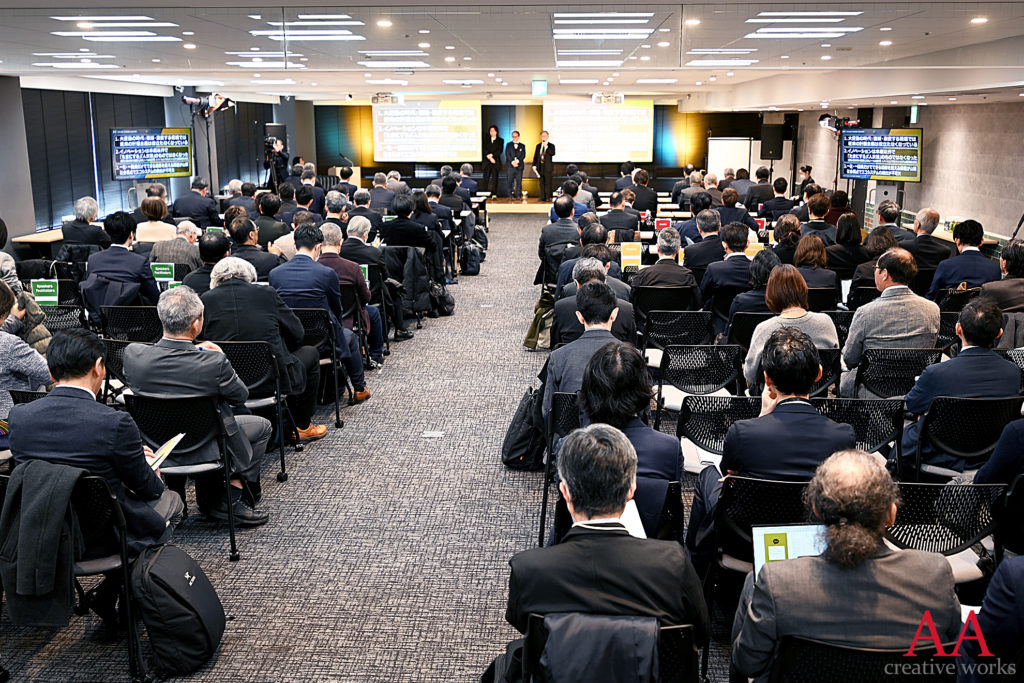
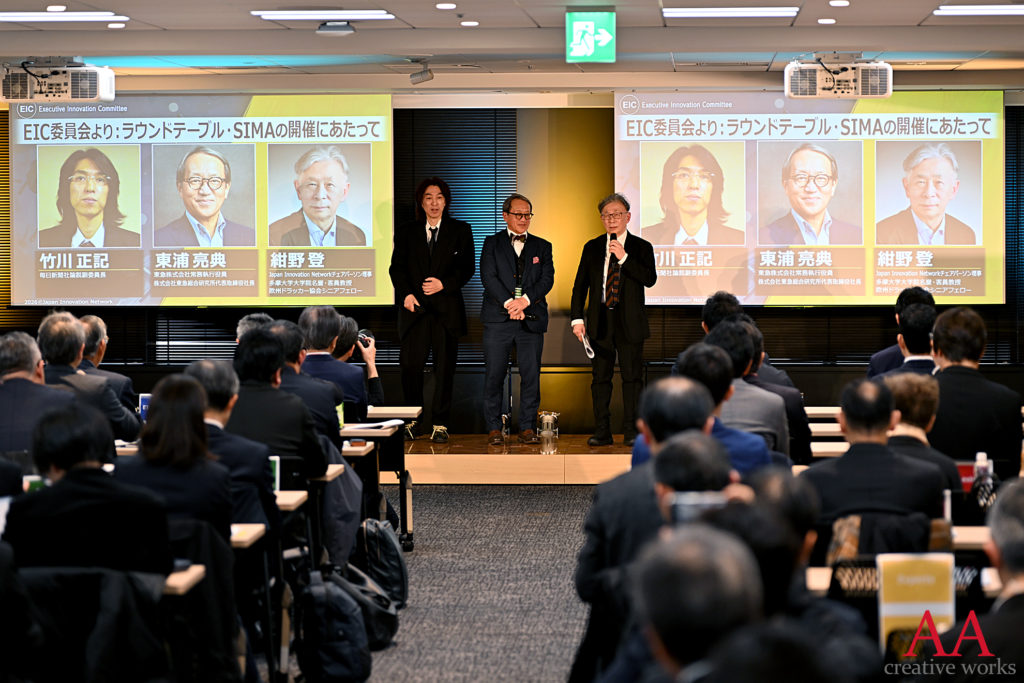




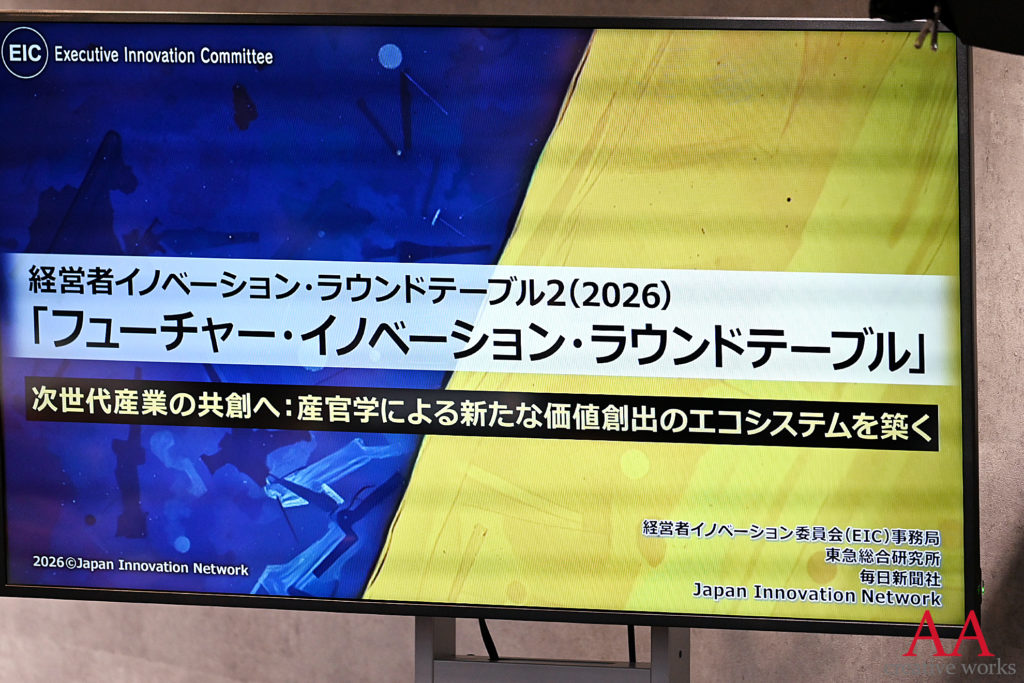
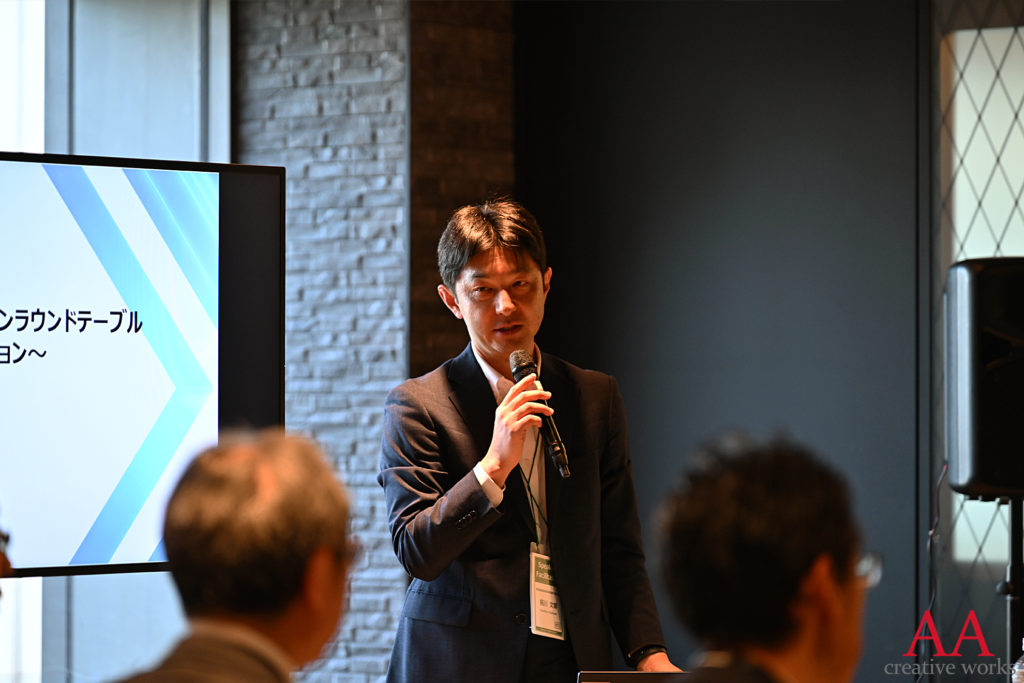

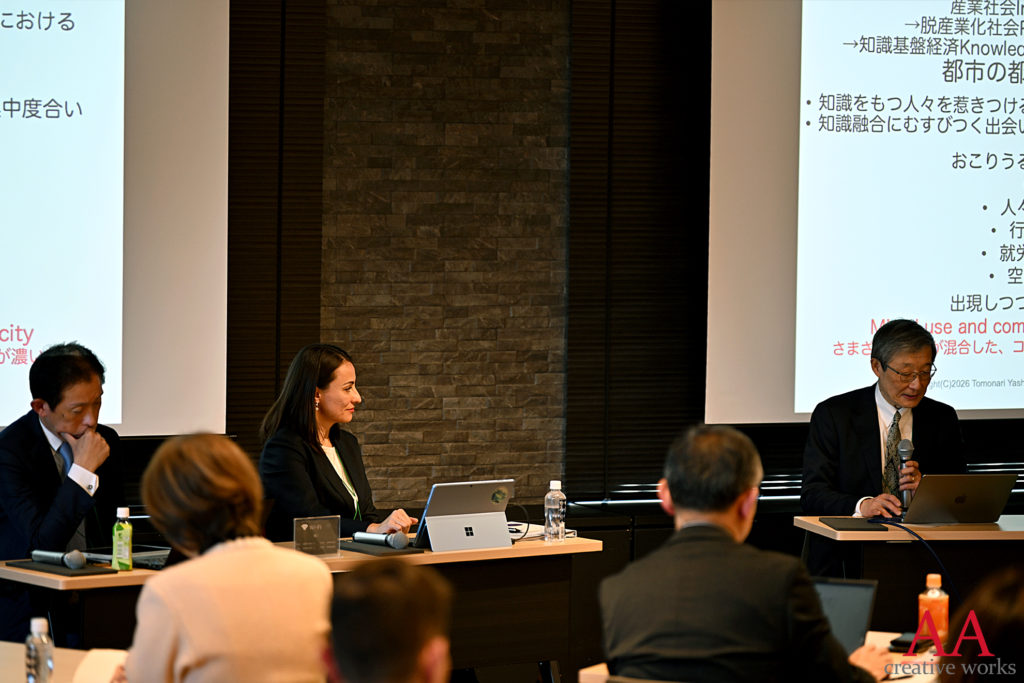
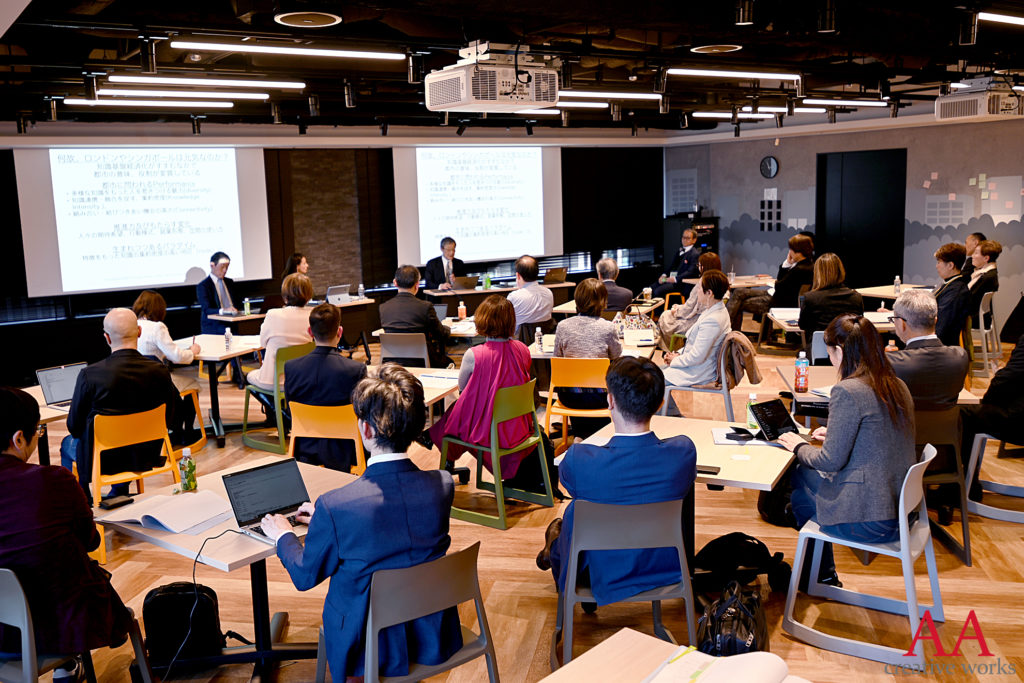
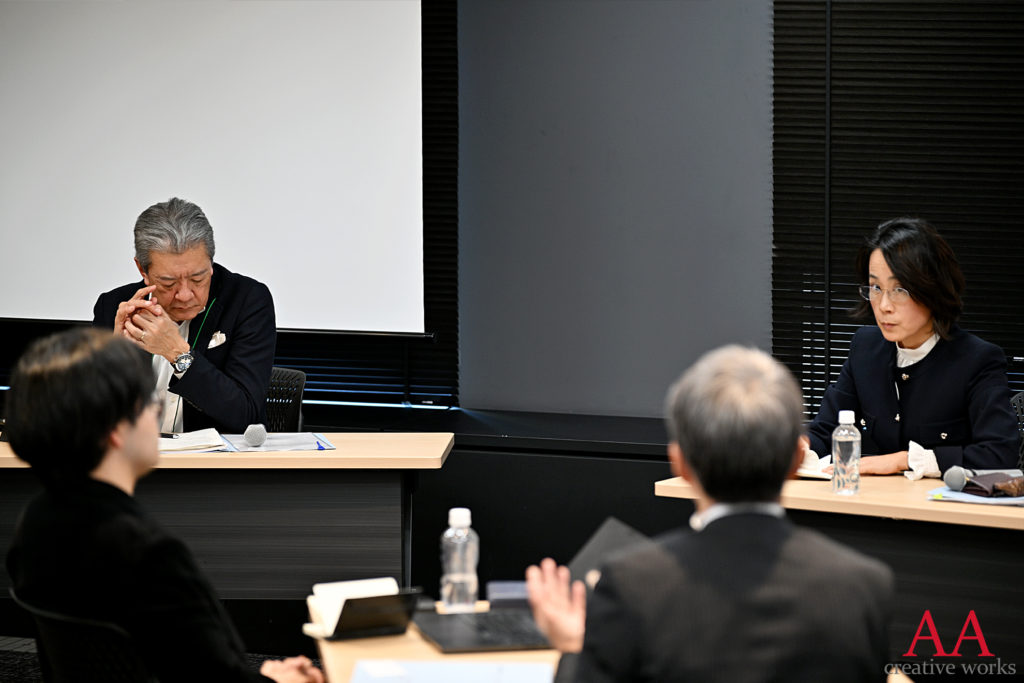

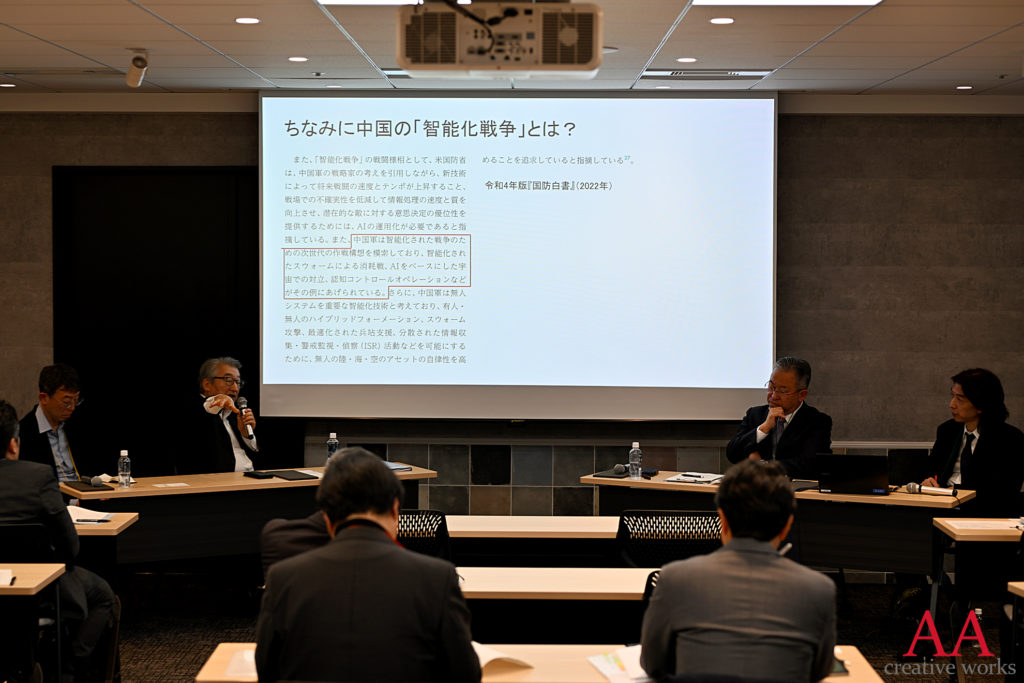

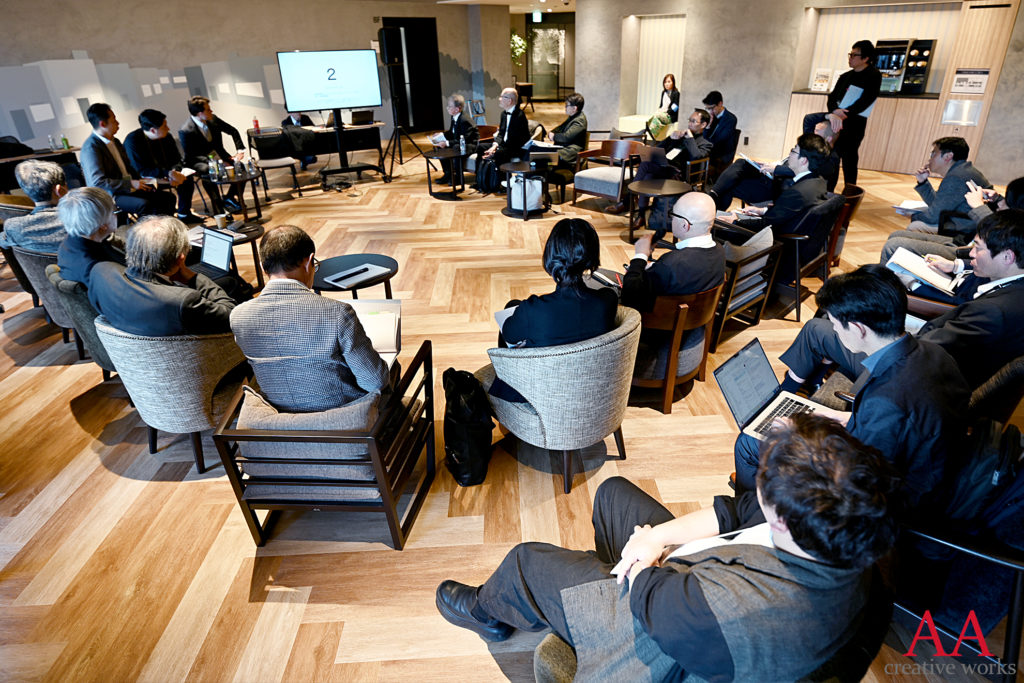

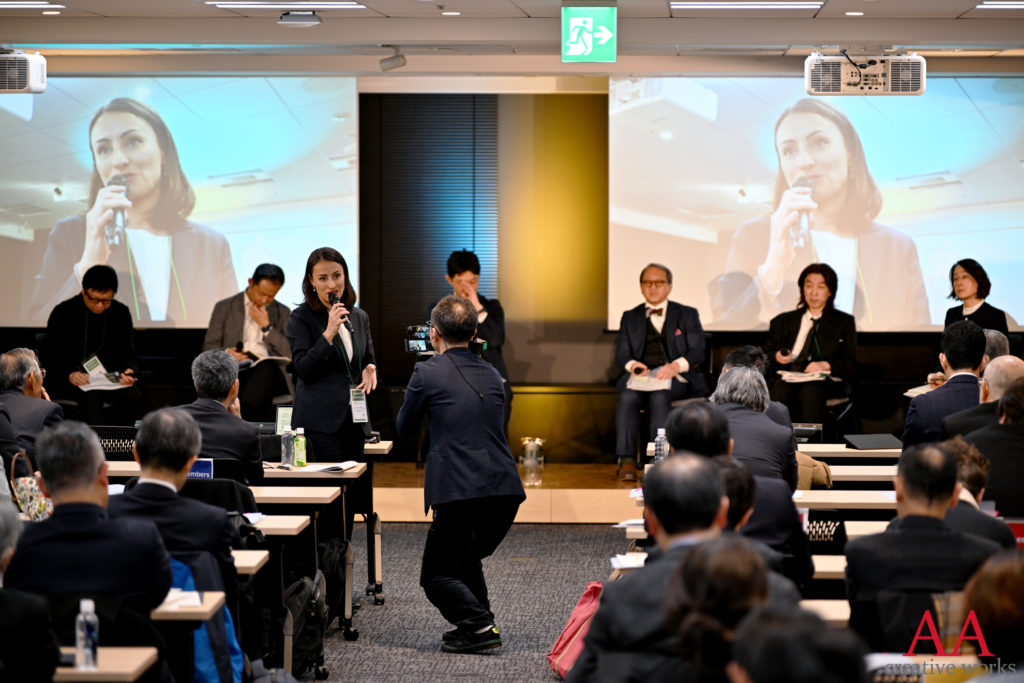
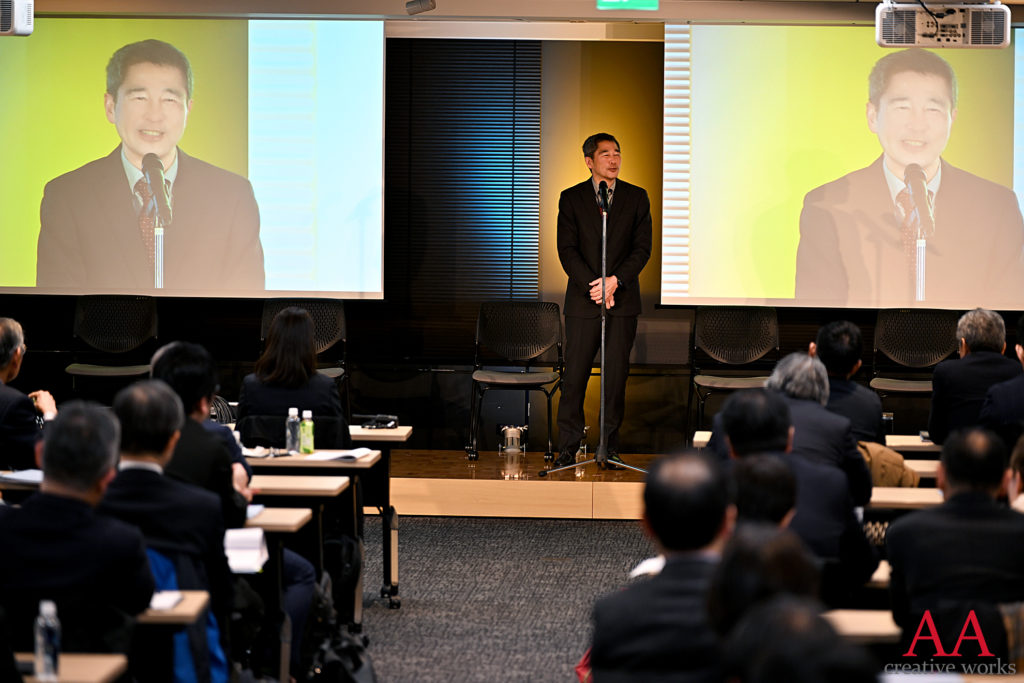
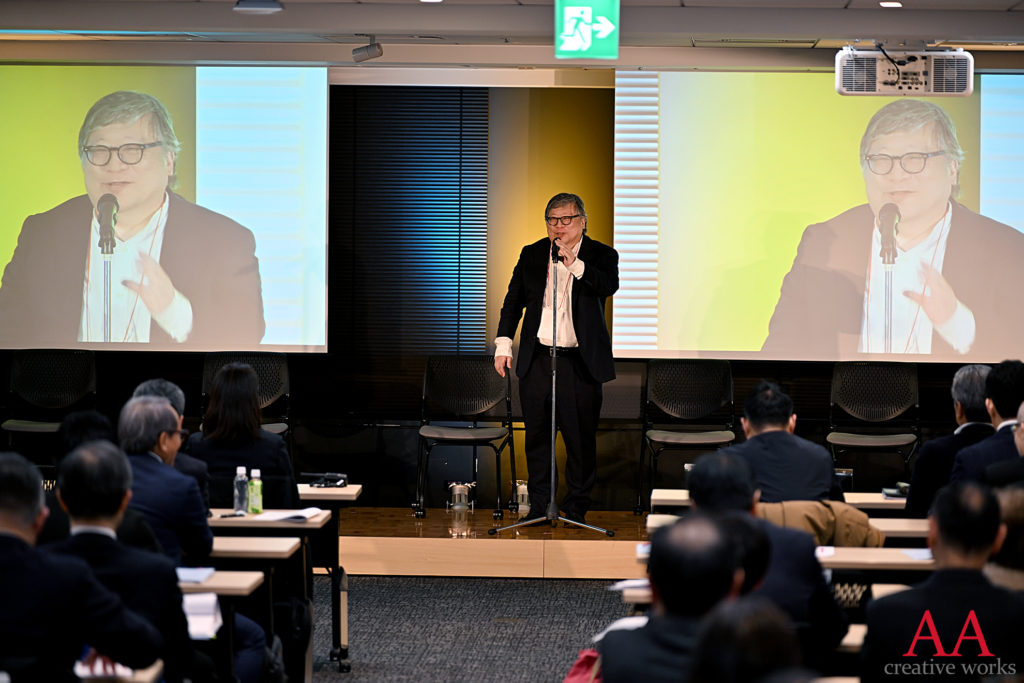
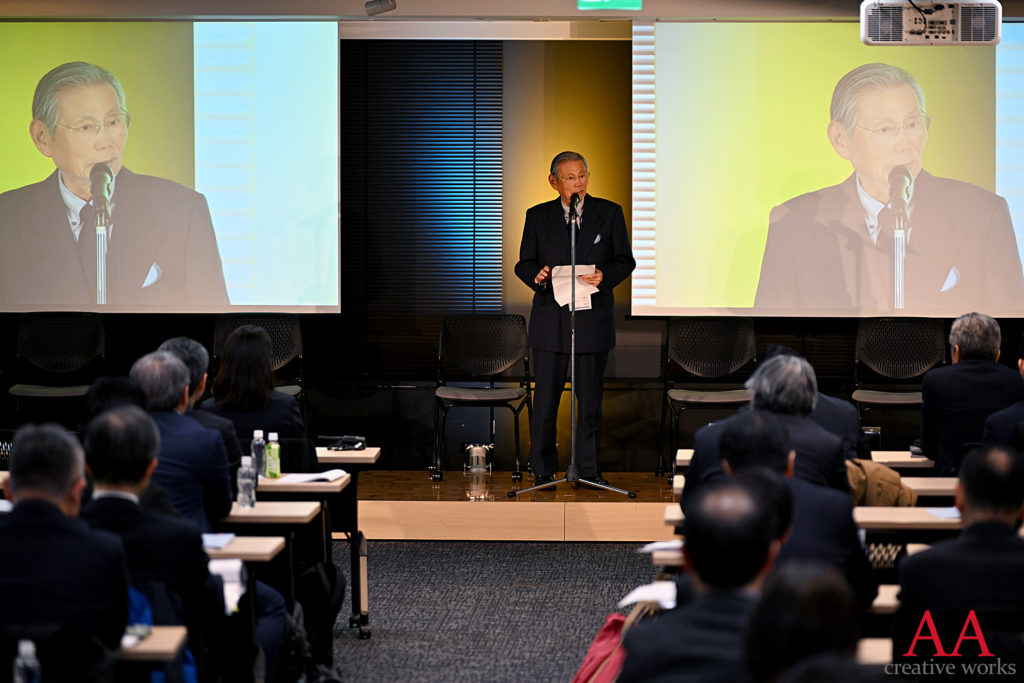
Executive Innovation Roundtable 2 “Future Innovation Roundtable”
Event Details: Executive Innovation Roundtable 2
“Future Innovation Roundtable”
Date and Time: Tuesday, February 3, 2026, 1:00 PM – 8:00 PM
Venue: Hibiya International Building Conference Square (8th Floor, 2-2-3 Uchisaiwaicho, Chiyoda-ku, Tokyo)
Organized by: Executive Innovation Committee (EIC)
Hosted by: Japan Innovation Network (JIN)
Agenda
[Part 1: Inspiration Session] (Main Hall)
1:00 PM – 1:20 PM Opening Remarks and Introduction: Explanation of the event’s purpose by the organizing committee
Messages from METI and EIC Corporate Committee members
1:20 PM – 1:35 PM Keynote Speech 1: Hiroshi Komiyama (Chairman, Mitsubishi Research Institute)
1:35 PM – 1:45 PM Keynote Address 2: Mr. Robert Ward (Japan Chair, International Institute for Strategic Studies (IISS))
[Part 2: Roundtable Sessions]
1:45 PM – 2:30 PM Panel 1 (Plenary): “Why Are Critical Areas Not Receiving Sufficient Investment?” (Main Hall)
2:40 PM – 4:30 PM Roundtable Sessions 1–5 (Concurrent) In-depth discussions organized by theme
Roundtable sessions in respective venues (conducted under Chatham House Rules)
4:40 PM – 5:30 PM Panel 2 (Plenary) “What Will We Leave Behind in 10 Years: Reports from Each Table” (Main Hall)
Representatives share key insights from each field
17:30–17:45 Closing Remarks by EIC Members
[Part 3: Awards & Networking]
18:00–18:45 Good Innovation Award (SIMA) Ceremony
Introduction of nominated companies, announcement of winners, and comments from winning companies
18:55–20:00 Networking Reception
Networking across government, academia, and the private sector
◆Related Articles
・【REPORT】The 1st “SIMA ” Awards Ceremony
https://transformjapan.org/sima/report_sm1_20260203/
・【OFFICIAL】Announcement Regarding the Publication of the Official Report for the “2nd Executive Innovation Roundtable 2025”
https://transformjapan.org/eirt/official_rt1_20250804/
・【REPORT】The 2nd Executive Innovation Roundtable
https://transformjapan.org/eirt/report_rt1_20250804/