
【REPORT】“NanoTerasu, Local Partner” Interview with an Award Winner of the First SIMA Good Innovation Award
2026/06/10
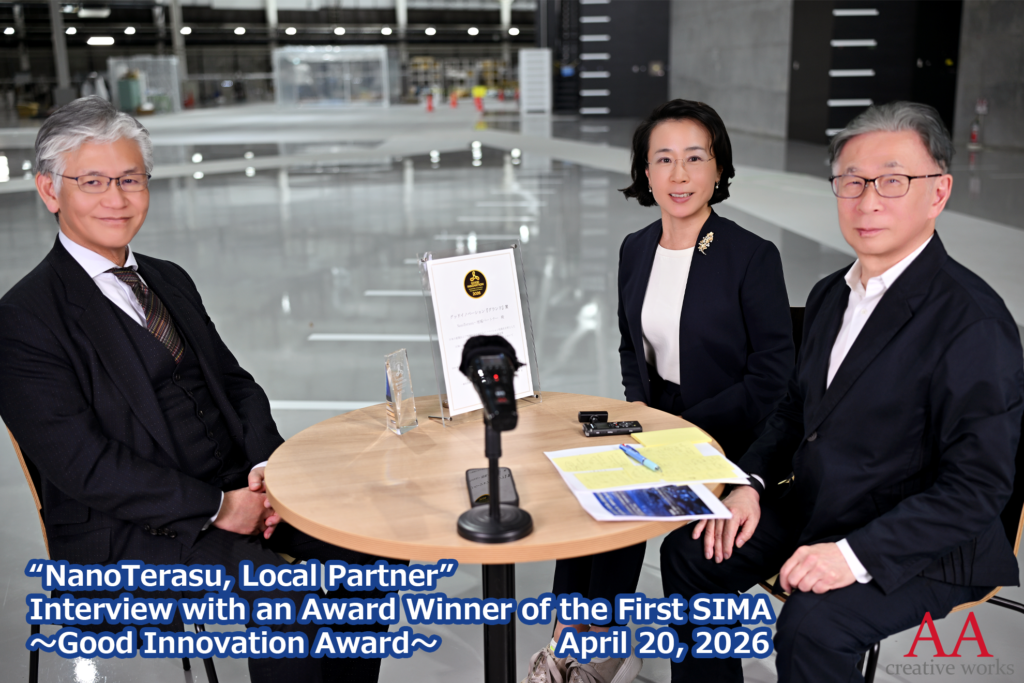
At the first Systematic Innovation Management Award (SIMA) Good Innovation Award ceremony held on February 3, 2026 by the Enterprise Innovation Committee (EIC), we interviewed Mr. Masaki Takada, “NanoTerasu – Regional Partner”, who received the Grand Prix. Mr. Takada, Vice President of Tohoku University (in charge of Collaborative Innovation in NanoTerasu), Vice President / Professor of Collaborative Innovation Promotion Organization, NanoTerasu, Associate Director of Global Coalition Inst. Institute, Collaborative Innovation Promotion Organization, NanoTerasu, and President of Center for Optical Science Innovation, heard about the award with a report and video. Please watch the video by playing the YouTube video in the blue frame below.
EIC YouTube Channel
“NanoTerasu, Local Partner” Interview with an Award Winner of the First SIMA Good Innovation Award
SIMA: The End of the “Paradigm-Shifting Competition” and the signal gun of “Co-Creation”: Why Japanese Companies Should Shift to Ecosystem Management
The “lost 30 years” of the Japanese economy were caused not by a lack of individual technological capabilities but by the absence of a “management system” to systematically replicate and scale innovation. In the past, Japanese companies used “quality control (QC)” to push up the discipline of manufacturing sites to global standards, but now what is required is the implementation of an “innovation management system (IMS)” in management sites.
The inaugural SIMA (Good Innovation Award), the world’s first of its kind, evaluates not merely the excellence of a product, but also its organizational capability to continuously create value. The winner of the grand prize, the NanoTerasu (Optical Science Innovation Center), proposes a new operating system that will completely rewrite Japanese research and development (R & D) strategies.
The Essence of NanoTerasu: A Platform for Public-Private Co-Creation beyond a Giant Microscope
NanoTerasu, which was established in Sendai City in the Tohoku region, is a giant “nano-level microscope” that uses synchrotron radiation, which is an overwhelming 1 billion times brighter than the sun, to visualize substances at the nano level. However, its true value lies not in its technical specifications but in its “operating system” that dramatically accelerates the social implementation of science and technology.
In the past, government research facilities were designed as “public assets” to fulfill their accountability to the taxpayer, and their screening and procedures took a great deal of time. In response, the NanoTerasu introduced the concept of “coalition (coalition of the willing)” as “club assets”. Companies that have invested in them can use the facilities immediately with “fast track”, which is a shortcut to the troublesome screening. This mechanism, which enables “forecast (omitted)” of the procedures in line with the speed of private companies whose needs change in six months, is a paradigm shift in R & D governance.
Between the conceptual stage and 2016, Masaki Takada held about 2,000 face-to-face interviews with individual companies. The interviews highlighted the desperate voices of those on the ground who said, “I want you not only to obtain analytical results, but also to accompany us to social implementation (problem solving).” In response to this feedback, NanoTerasu established its function not as a mere measurement facility, but as a “data hub” that supports problem solving for companies through collaboration between scientists and data scientists in industry and academia.
National Strategies for the Age of AI: Quantifying “Texture” and Passing Down Knowledge
In the modern AI race, the only way for the Japanese to compete with American and Chinese capital power is not in quantity, but in quality (reliability and accuracy).
What NanoTerasu generates is high-quality data with academic significance and backed up with precision, and by having AI learn from this, it aims to go beyond the traditional “AI for science” and build “AI for industry.” What is particularly noteworthy is that it quantifies at the nano level the areas of qualitative sensibility, such as “sense of materials,” “texture,” and “touch,” which Japanese people are good at, and inherits them in AI. In a society with a declining population, it is becoming difficult for humans alone to pass down their skills and sensibilities, but here is a mechanism for connecting them to the future as digital assets.こにある。
Pride in Regional Independence — The Meaning of “Spending One’s Own Money”
The construction of the NanoTerasu was funded in part by the prefectures of Miyagi and Sendai, the city of Sendai, and the Tohoku Economic Federation, using “their own money.” This is a testament to the determination of the disaster-stricken Tohoku region to stand up as an autonomous economic hub rather than simply attracting a branch of the national government.
At first, it was thought that SMEs would have nothing to do with NanoTerasu. However, food manufacturers (such as Maruni Foods) are actually using NanoTerasu and are beginning to see results in areas such as freeze-dried food R & D. They will demonstrate their superior local technologies at the nano level and send them out to the world with confidence. The GPS has become a powerful weapon (tool) for the Tohoku region to break away from its Tokyo-centered economic structure and connect it to the center of the world.
The Convergence of Education and Humanities and the Development of the Next Generation — Revitalization of Local Communities that Foster Innovative “Translators” — The Counterattack to the “2040 Problem”
At NanoTerasu, Masaki Takada has requested that all high-school students be required to include “humanities students.” This is because he is convinced that the key to accelerating innovation in Japan is to develop human resources who can translate scientific data into social value and stories, rather than leaving it as a mere number.
The reason why the term “coalition” is defined loosely and ambiguously is that each stakeholder in industry, academia, and government brings their own ideas and allows the system to evolve autonomously. This “loose fusion” creates mobility that transcends organizational barriers, which Japan has lacked.
Japan’s New Beginning: Beyond the Lost Era
“If you try to start something new, you will always be criticized.” Masaki Takada himself faced a strong headwind when he was planning the NanoTerasu, saying, “It can’t be done.” But this facility, which was realized after overcoming that criticism, has now become a prototype that rewrites the Japanese industrial operating system. Just as the Japanese once dominated the world with QC, now it will defeat the “common language (system)” of NanoTerasu and regain the era when the Japanese will lead the world again. That challenge has just begun now.
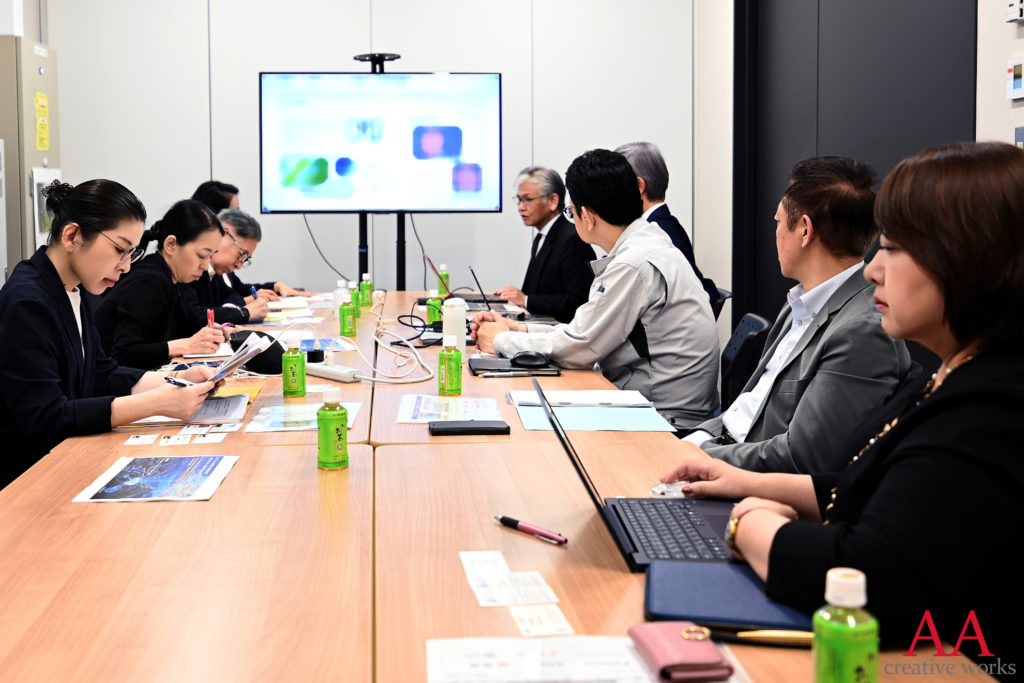
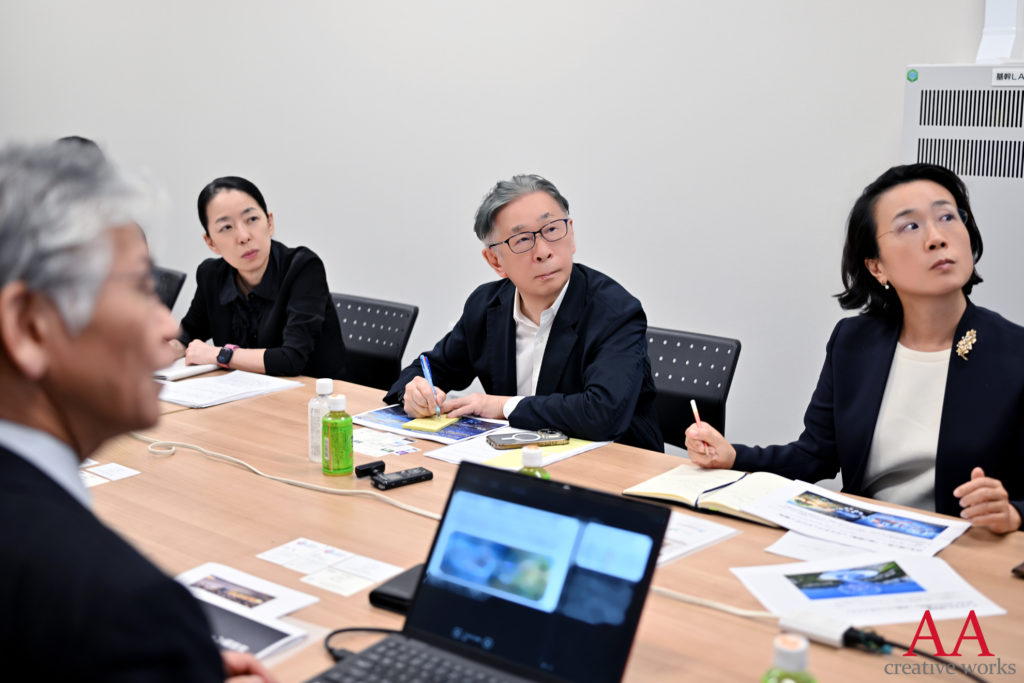
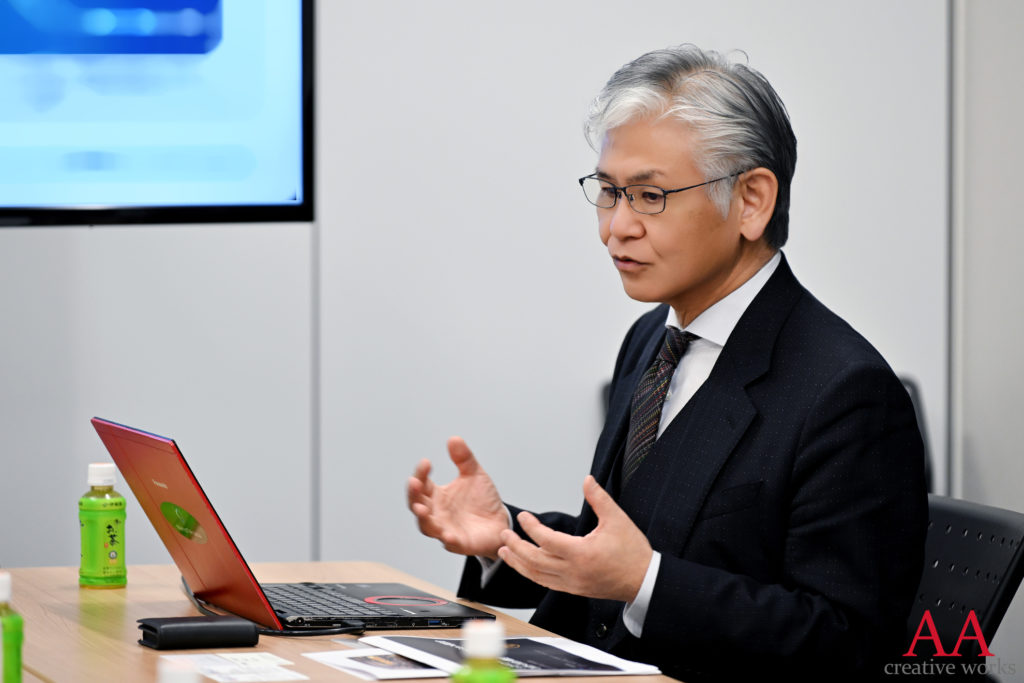
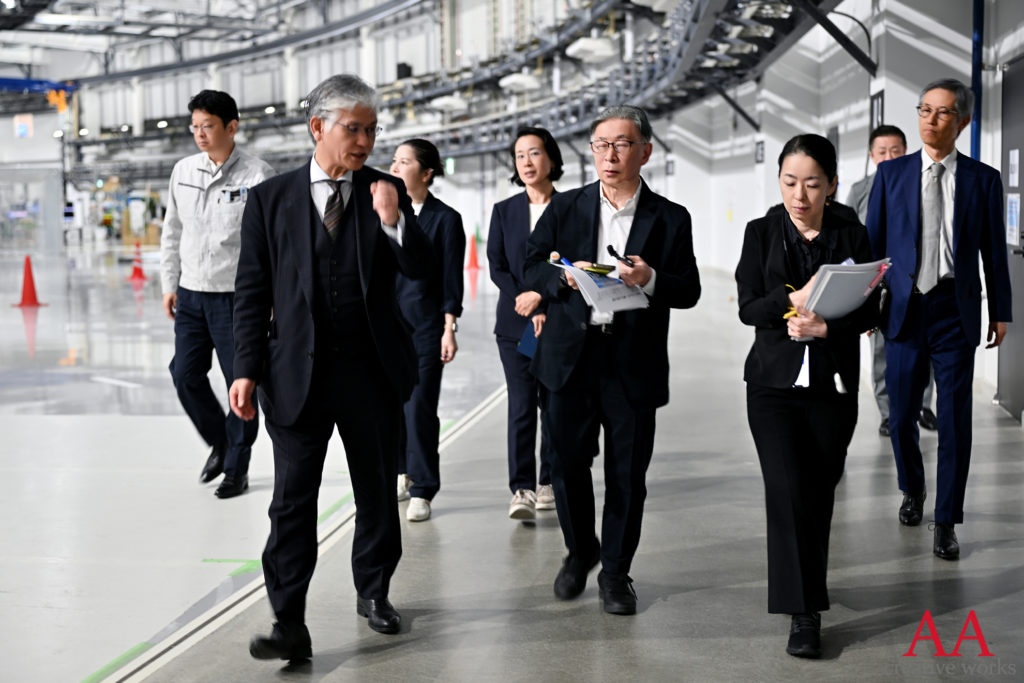
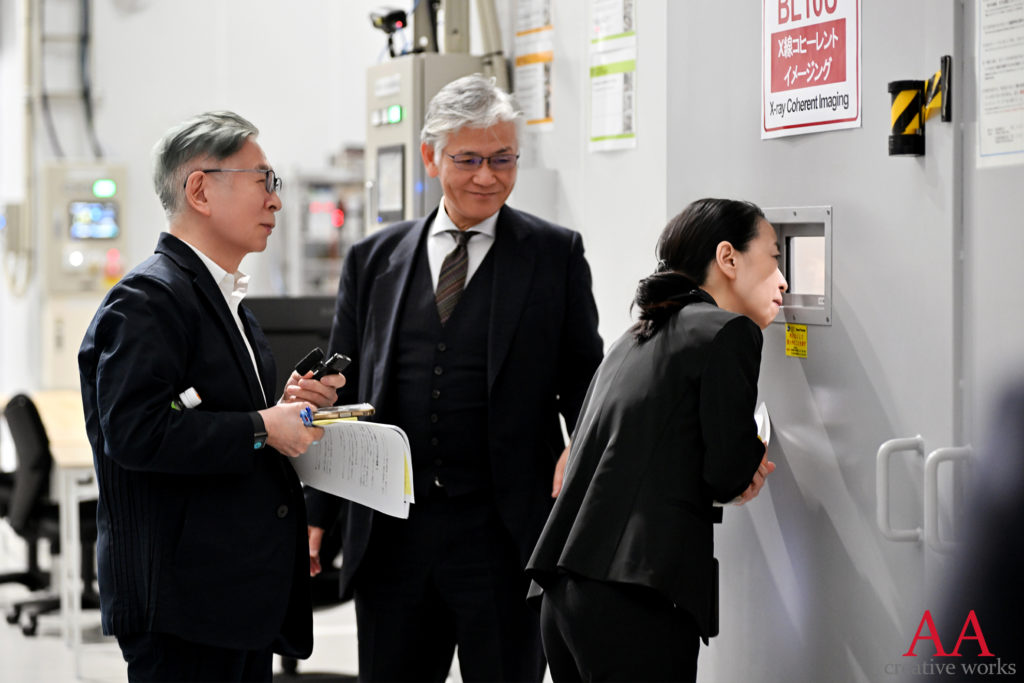
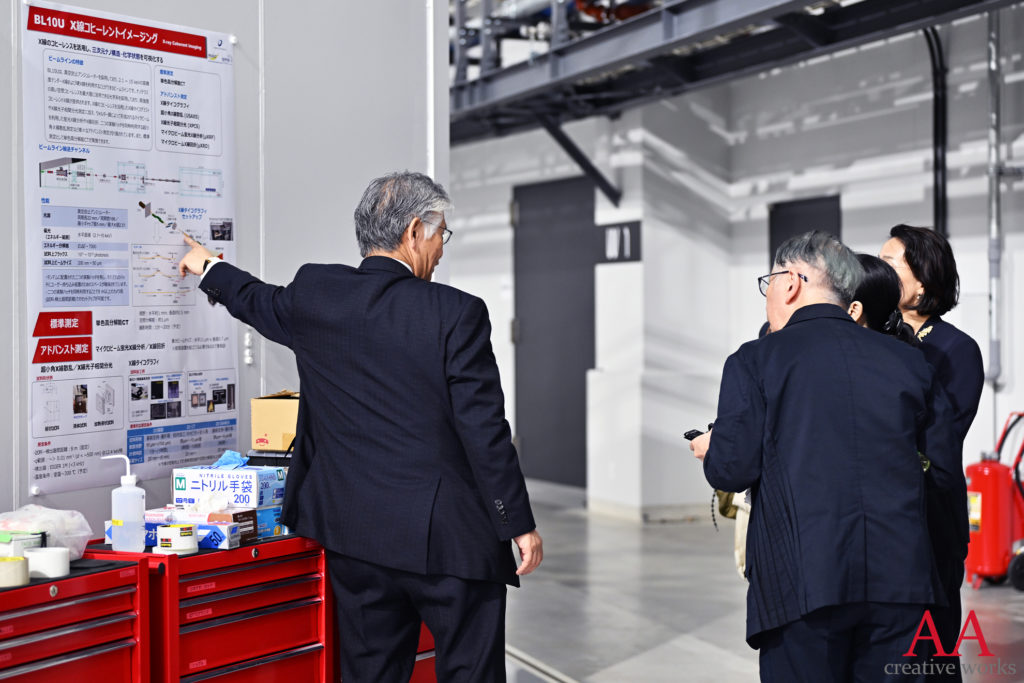
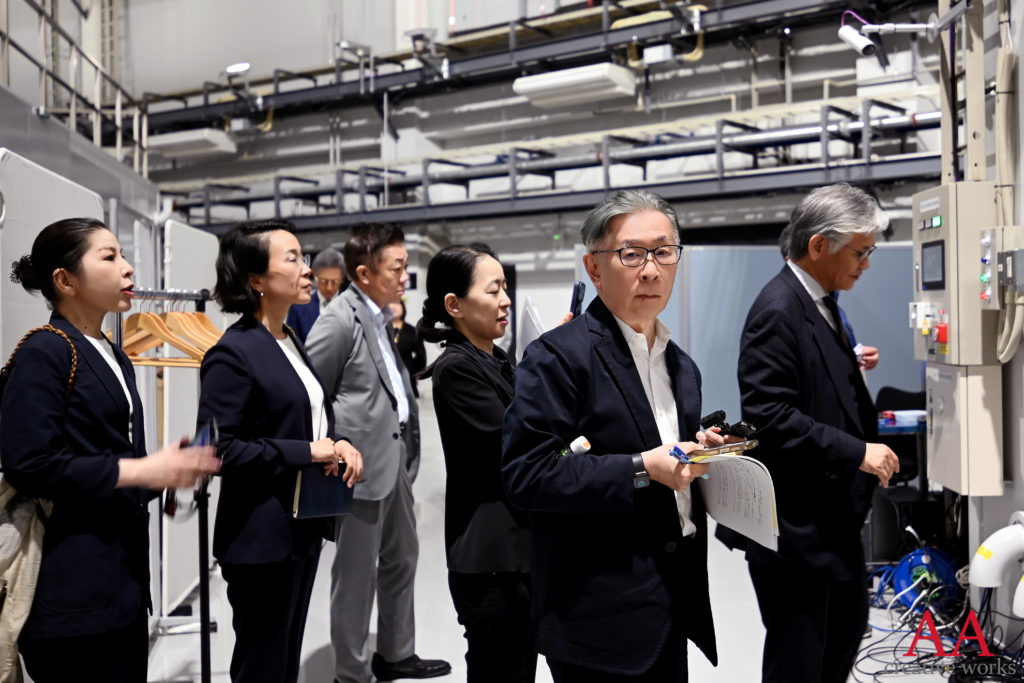

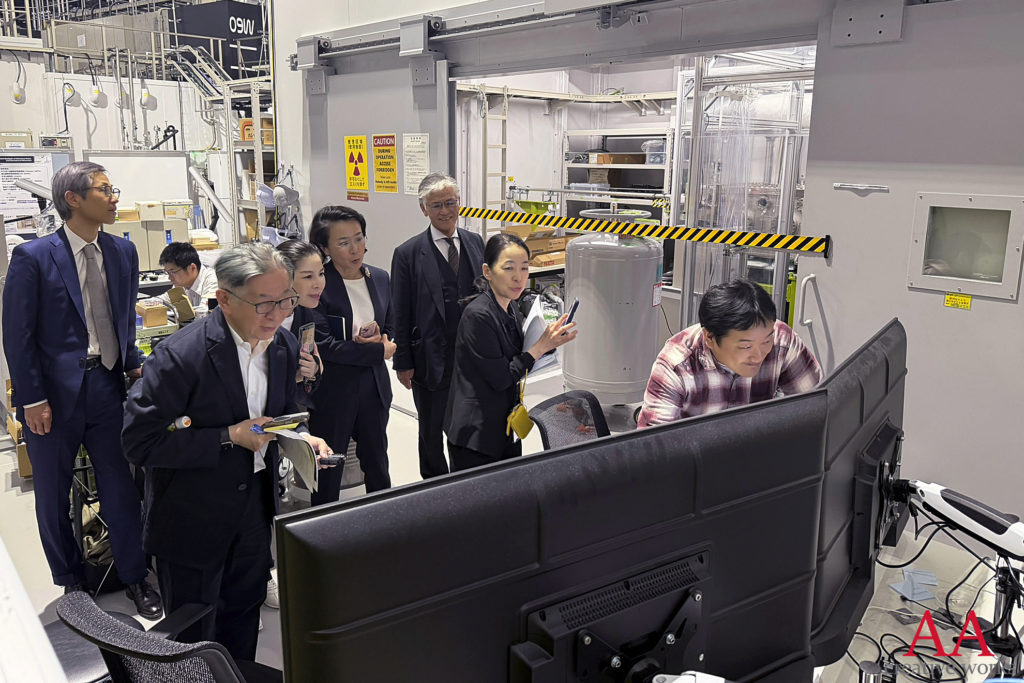
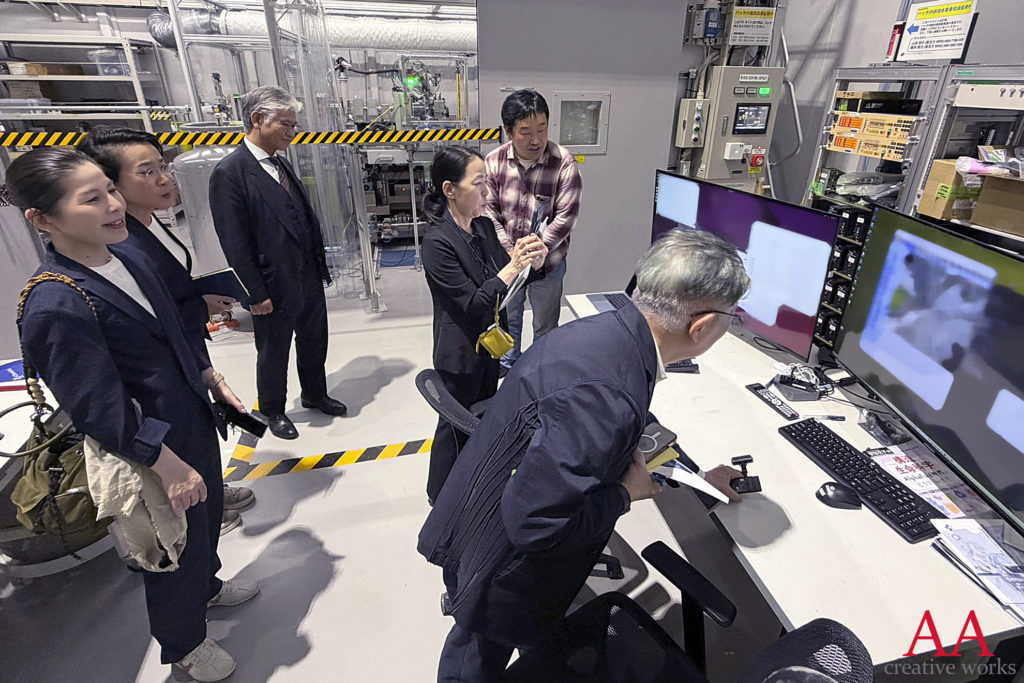
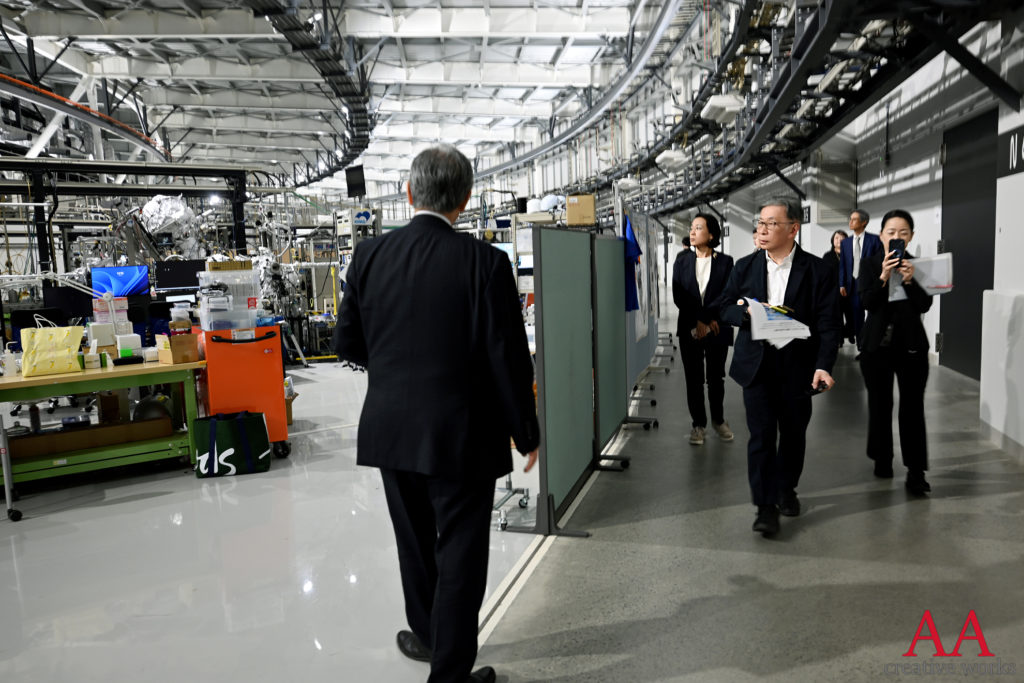
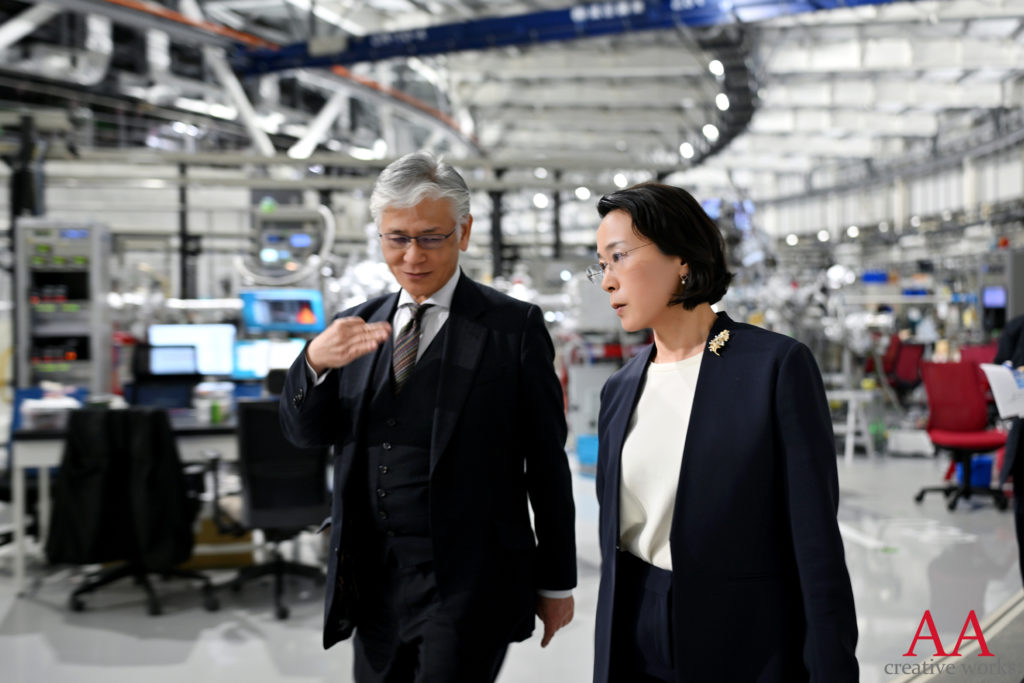
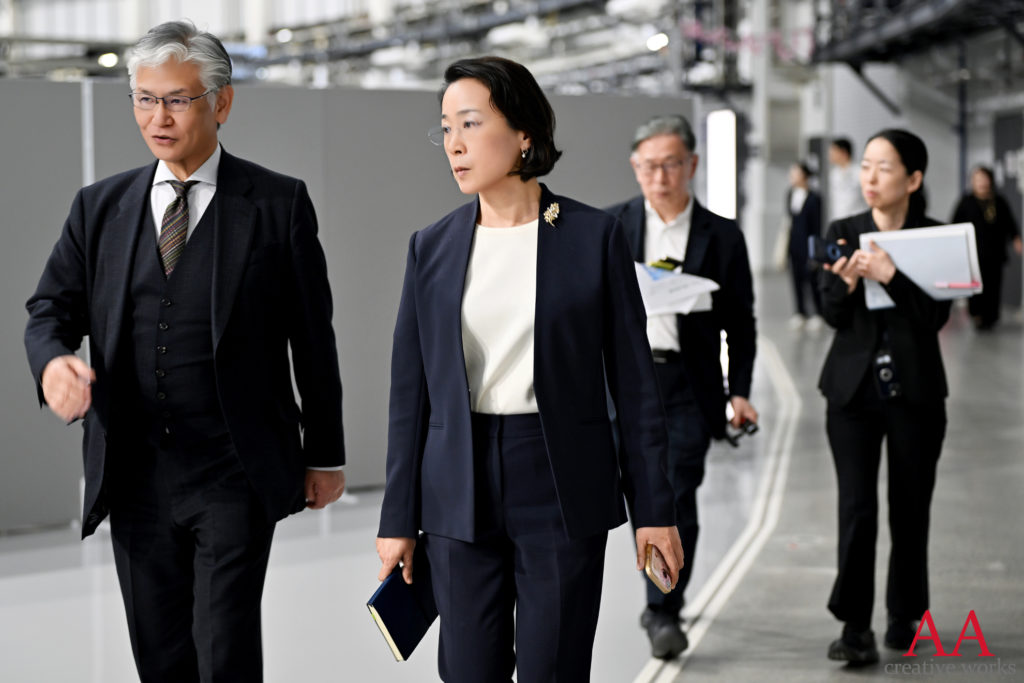
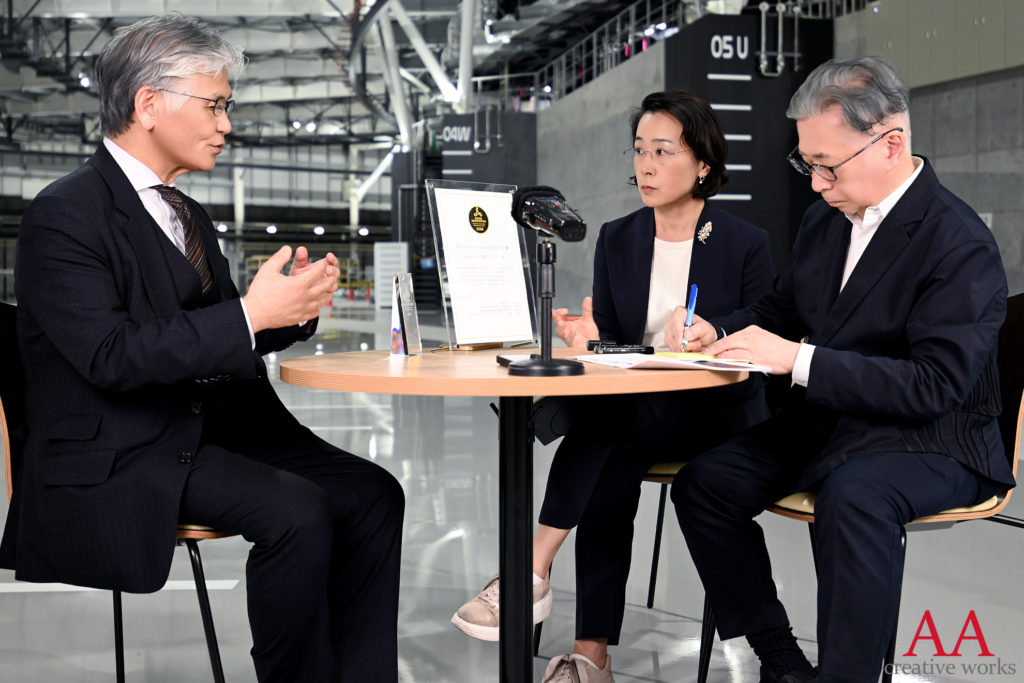
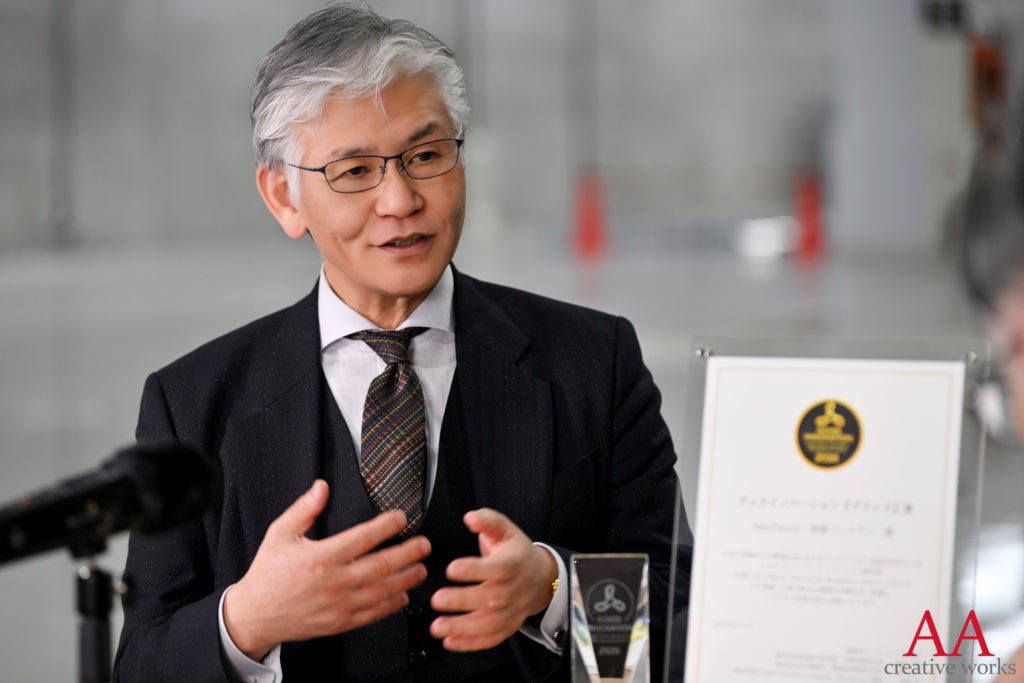
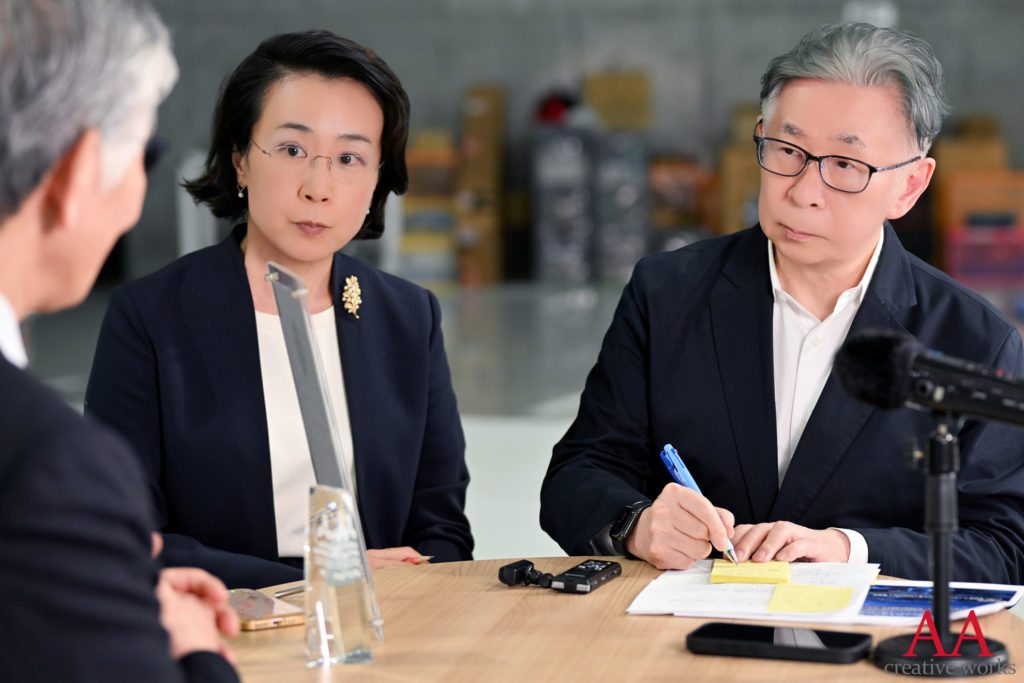
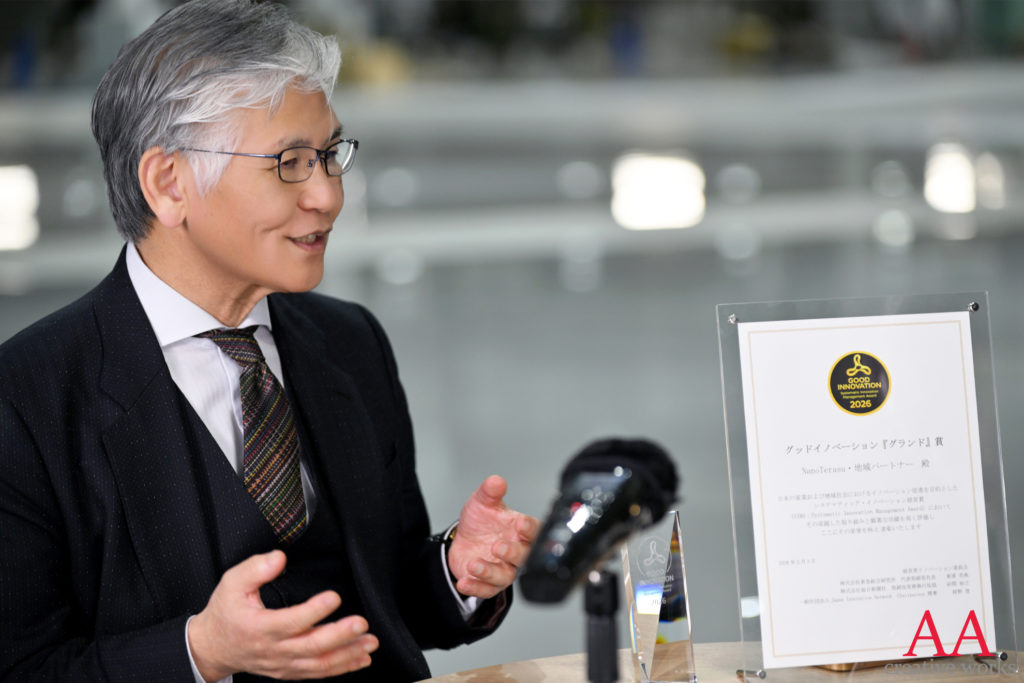
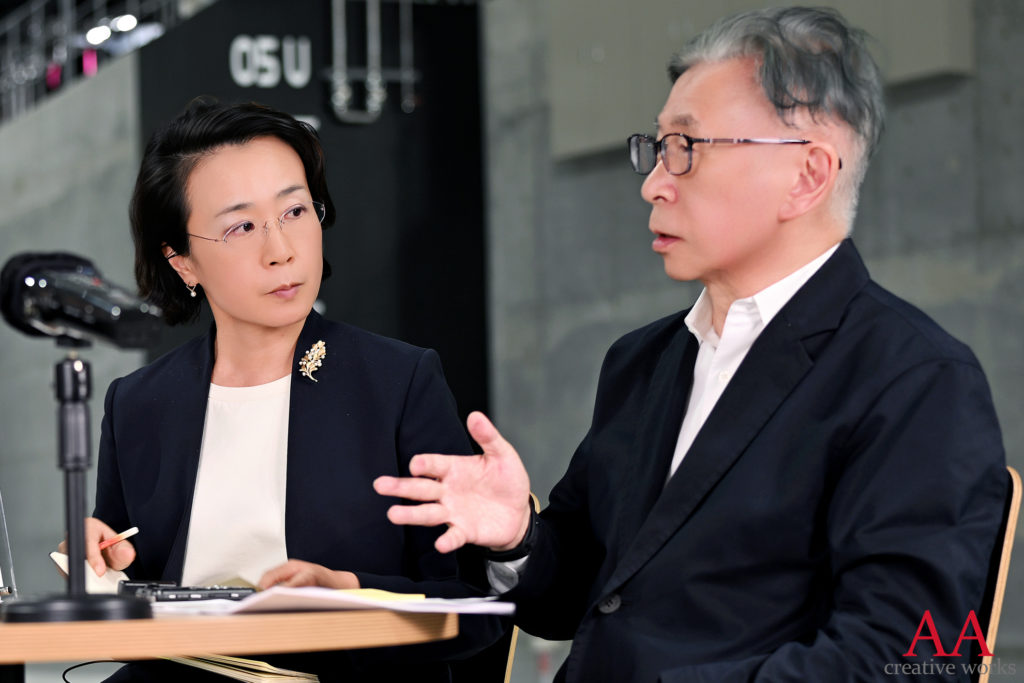


“NanoTerasu, Local Partner” Interview with an Award Winner of the First SIMA Good Innovation Award
Date and Time: April 20, 2026 (Mon) 13:00 – 15:00
Location: Tohoku Univ. Aobayama New Campus, 468 Aza-Aoba, Aramaki, Aoba-ku, Sendai-shi, Miyagi-ken
Venue:NanoTerasu (NanoTerasu), a 3 GeV high-brightness synchrotron radiation facility
Interviewee:
Masaki Takada
Vice President, Tohoku University (in charge of NanoTerrace Co-creation)
Vice Director, NanoTerrace Co-creation Promotion Organization / Professor
Deputy Director, Global Coalition Institute, NanoTerrace Co-creation Promotion Organization
Chairman, The Center for Optical Science Innovation (Public Interest Incorporated Foundation)
Interviewer:
Noboru Konno
Chairperson and Director, Japan Innovation Network (General Incorporated Association)
Nobuko Kobayashi
Judging Advisor, Systematic Innovation Management Award (SIMA)
◆Related Articles
・【REPORT】First SIMA (Good Innovation Award) award ceremony
https://transformjapan.org/sima/report_sm1_20260203/
・【REPORT】Executive Innovation Roundtable 2 “Future Innovation Roundtable”
https://transformjapan.org/eirt/report_rt2_20260203/
・【REPORT】The Second Executive Innovation Roundtable
https://transformjapan.org/eirt/report_rt1_20250804/