
【REPORT】“VegiBus(M-Square Lab Co., Ltd.)” Interview with an Award Winner of the First SIMA Good Innovation Award
2026/08/01

We conducted a case study interview with Ms. Yuriko Kato, President and CEO of M-Square Lab Co., Ltd., who received the Grand Award for “Vegibus” at the 1st “Systematic Innovation Management Award (SIMA) / Good Innovation Award” hosted by the Executive Innovation Committee (EIC) on February 3, 2026
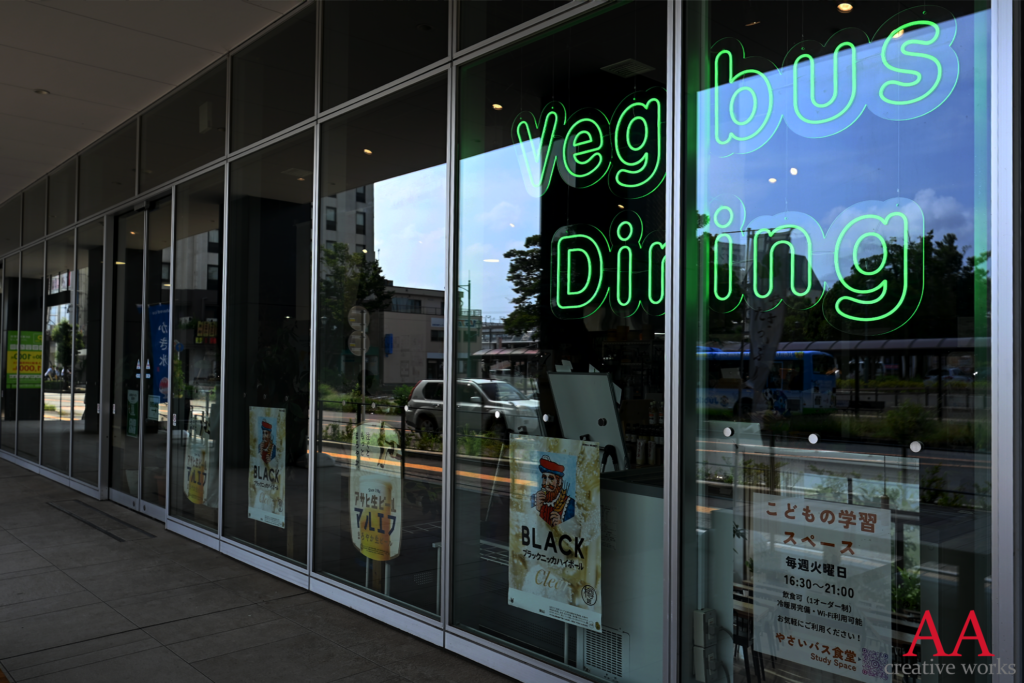
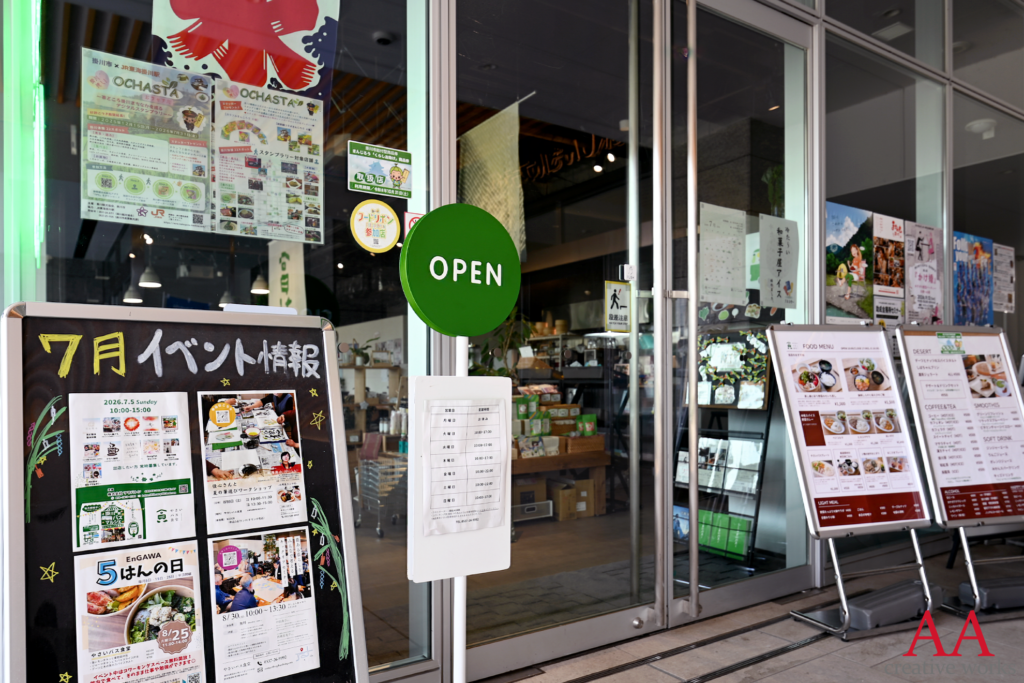
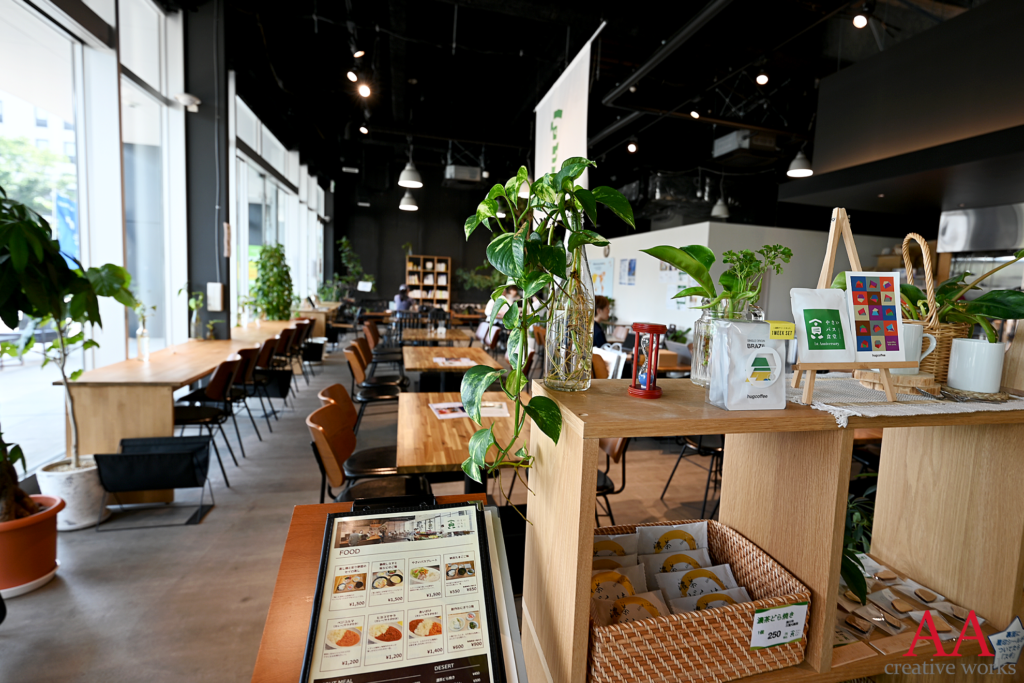
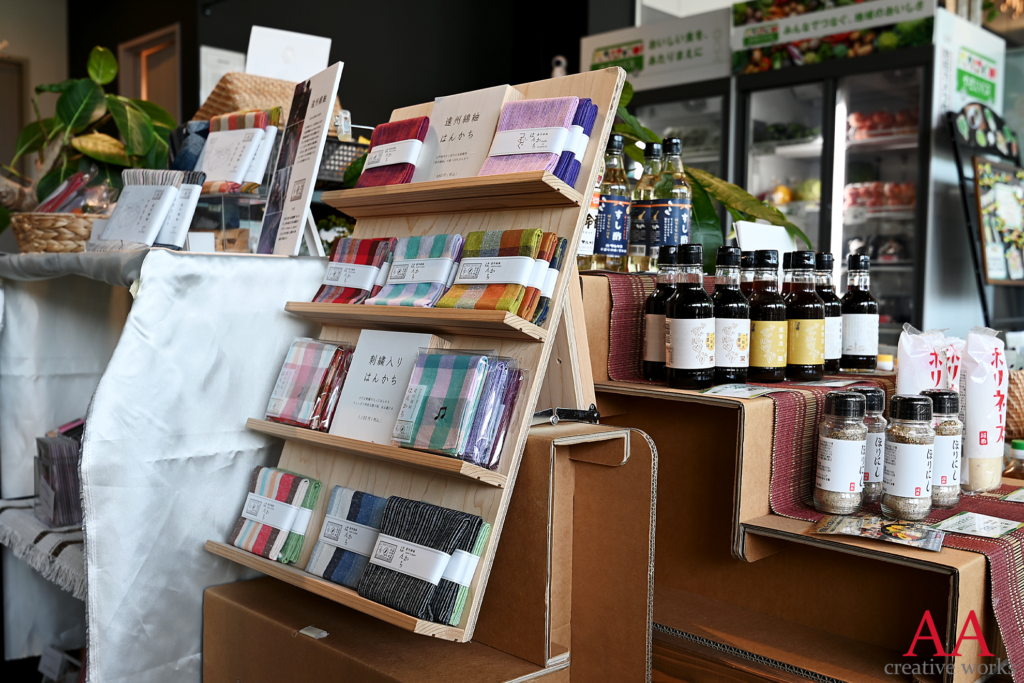
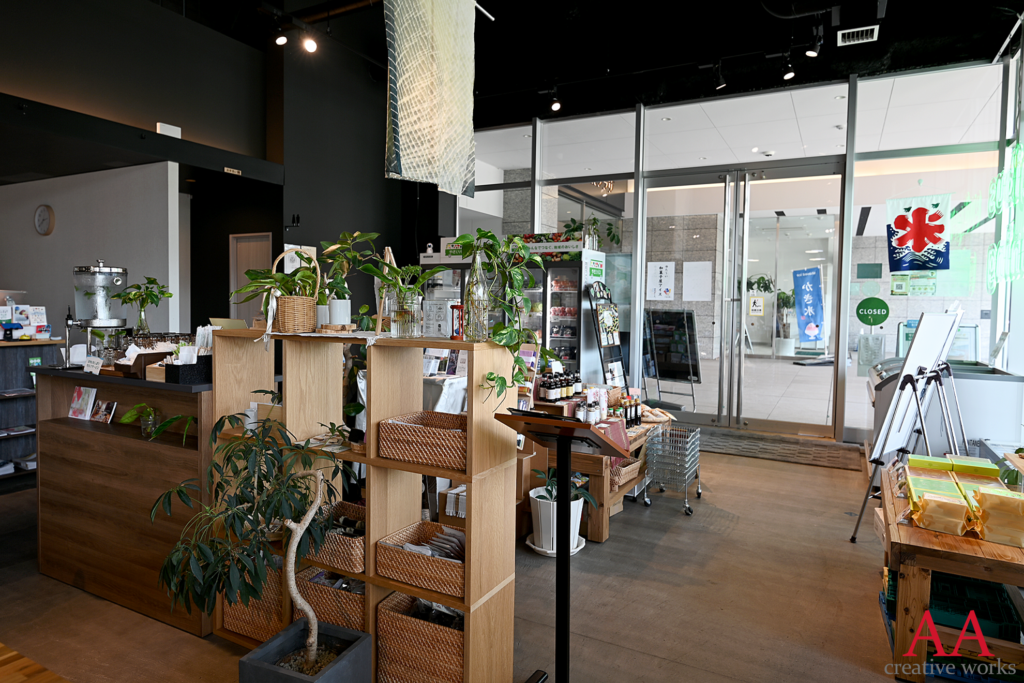
The interview was held at “Vegibus Dining” (a multi-functional facility located in front of JR Kakegawa Station that combines local vegetable-based dining, a direct sales market for fresh produce, and a co-working space), operated by Vegibus. We are pleased to present the details of the session through this report and video.
To view the video, please play the YouTube video located in the blue frame below.
EIC YouTube Channel
“VegiBus(M-Square Lab Co., Ltd.)” Interview with an Award Winner of the First SIMA Good Innovation Award
Bridging Logistics Gaps through “Trust”: The Intellectual Discipline of Regional Ecosystems Presented by Vegibus
The stagnation of the Japanese economy stems not from a lack of individual technical prowess, but from the absence of a “management system” capable of systematically reproducing and scaling value creation. Just as Japan once dominated global markets through “Quality Control (QC),” what is now required is the implementation of an “Innovation Management System (IMS)” to logically navigate an uncertain future. The inaugural “SIMA (Systematic Innovation Management Award) / Good Innovation Award” represents a world-first endeavor to evaluate “organizational capability”—the power to generate sustainable value—rather than mere product excellence. The Grand Award winner, “Vegibus (M-Square Lab Co., Ltd.),” received exceptional praise for internalizing IMS within the challenging field of agriculture, effectively elevating innovation from a stroke of luck into a “disciplined routine”
This project, led by Yuriko Kato, is far more than just a success story of a regional startup. Drawing on her expertise in robot research and development, Ms. Kato sought to resolve the fragmentation within the agricultural sector—the high-cost logistics and emotional alienation resulting from the distance between producers and consumers—through the analytical precision of an engineer and the power of “mechanisms (systems)”. What we see here is a quintessential example of Japan-born “Systematic Innovation,” which seamlessly fuses manufacturing-style discipline with the agility of a startup.
Designing “Sharing” to Fill Logistics Gaps: A New Regional Infrastructure Created by Joint Delivery
The essence of Vegibus lies not in the physical operation of vehicles, but in the joint delivery operating system itself, which functions just like a bus where vegetables “get on and off” at designated stops. Traditional agricultural logistics had long been hindered by fatal bottlenecks, such as the inefficiency of next-day delivery even for short distances and the prohibitive costs of small-lot shipping. Ms. Kato broke through these logistical barriers by updating the traditional “milk run” (circular collection) concept for the modern era and optimizing it through IT.
The crowning achievement of this system lies in its asset-light design, which avoids the massive investments required for building distribution centers by instead utilizing existing “slack” and “infrastructure gaps”—such as farmhouse eaves and the back areas of supermarkets—as “bus stops”. In sharp contrast to rigidly structured urban logistics, this decentralized approach of loosely connecting regional resources is precisely what has realized low-cost and highly efficient logistics. Ultimately, the true originality of Vegibus resides in how it transcends the simple physical act of transporting vegetables to reorganize a “cycle of trust”—where the faces of producers are visible and the voices of consumers are heard—through a seamless integration of IT and physical mechanisms.
A True Ecosystem Beyond EGO: Coordination Skills for Unifying Diverse Stakeholders
There are limits to what a single company can achieve alone in the social implementation of innovation. Vegibus stands out for its ability to foster a multi-layered ecosystem involving industry, academia, and government that functions autonomously. While many companies champion “open innovation” only to trap themselves in “ego-systems” that breed dependency or resistance from others, Ms. Kato has poured her heart and soul into the difficult orchestration of “aligning” the interests of diverse players—including local governments, financial institutions, logistics companies, and farmers—to suit each specific region, rather than striving to remain the sole protagonist.
The greatest challenge in ecosystem building is reaching the “tipping point” where participants cast off the dependency of expecting “someone else to do it” and begin to move autonomously. To address the risk often found in large corporate-led projects—where participant over-reliance leads to a “complaint industry”—Vegibus engaged in exhaustive dialogue until every player reached a state of complete buy-in regarding their roles. The reality that regional players have stabilized and the system has begun to rotate autonomously over the last two years proves that Ms. Kato’s role is not merely that of a conductor, but an “orchestrator of orchestrators” who identifies and supports the right individuals to lead operations within their respective regions.
Systematic Thinking Processes: Reaching the Root Cause and Organizational Implementation
To make innovation reproducible, a common “thinking framework” must be implemented throughout the entire organization. Ms. Kato requires her staff to strictly distinguish between surface-level “phenomena” and the “root cause of the issue” in daily events. For example, when analyzing fluctuations in sales, she enforces the discipline of digging deep by asking “Why?” five times to determine whether the result stems from temporary seasonal factors or a fundamental improvement in the mechanism.
This thinking process is institutionalized into a specific company-wide routine known as “Improvement Meetings.” During the weekly “Good & Bad” sessions, negative occurrences (“Bads”) are never treated as mere complaints; they must always be accompanied by concrete improvement proposals, with decisions made on the spot regarding who will implement them and by when, driving the PDCA cycle with an athletic sense of speed. This commitment to “never leaving a failure behind” nurtures “Entrepreneurial Alertness” throughout the organization, serving as the driving force for continuous and flexible self-transformation in response to environmental changes.
Global Scaling and the Management Philosophy of “Broadcasting” Aspirations
Vegibus is expanding beyond Japan to a global scale, with initiatives including “Sky Vegibus,” which connects Shizuoka and Hokkaido, and a strawberry cultivation project in India (Bharat). To overcome the scaling barriers that many startups face, Ms. Kato employs a unique philosophy of “thoroughly broadcasting her aspirations to everyone around her”. By making her plans public, she has created a mechanism where interested supporters and partners naturally gravitate toward the project, complementing the company with external wisdom and networks that it does not possess internally.
Even in the expansion into India, the bond with a reliable local partner encountered through this methodology proved to be the decisive factor. By casting aside the process-oriented caution common among Japanese companies and synchronizing with the local “challenge-oriented” energy, Ms. Kato established a path toward mass production at the astonishing speed of just two years. Ms. Kato’s management embodies the role of an “intellectual catalyst”—rather than sequestering internal resources, she systematically invites external intelligence and integrates it into significant value.
As a Tool to Rewrite Japan’s Industrial OS
Ms. Kato also highlights the potential of “Physical AI” to complement human senses in the demanding field of agriculture, emphasizing that this is not about flashy technological display, but rather the disciplined social implementation of technology intended to “continue working stably” on-site. What Vegibus has presented is far more than just the output of logistical efficiency; it is a prototype for a “new industrial OS” designed to reconstruct trust within a fragmented society through a disciplined system.
Innovation is not the exclusive domain of individuals endowed with extraordinary talent. As demonstrated by Vegibus, when an organization possesses a common language (system) and the discipline to accelerate co-creation beyond organizational walls, innovation becomes reproducible. Winning the Grand Award at the inaugural SIMA serves as definitive proof of this “victory of the mechanism.” We look forward to a future where the success model of Vegibus sets a new global standard originating from Japan’s regions, ultimately elevating the collective innovation capabilities of the entire nation.



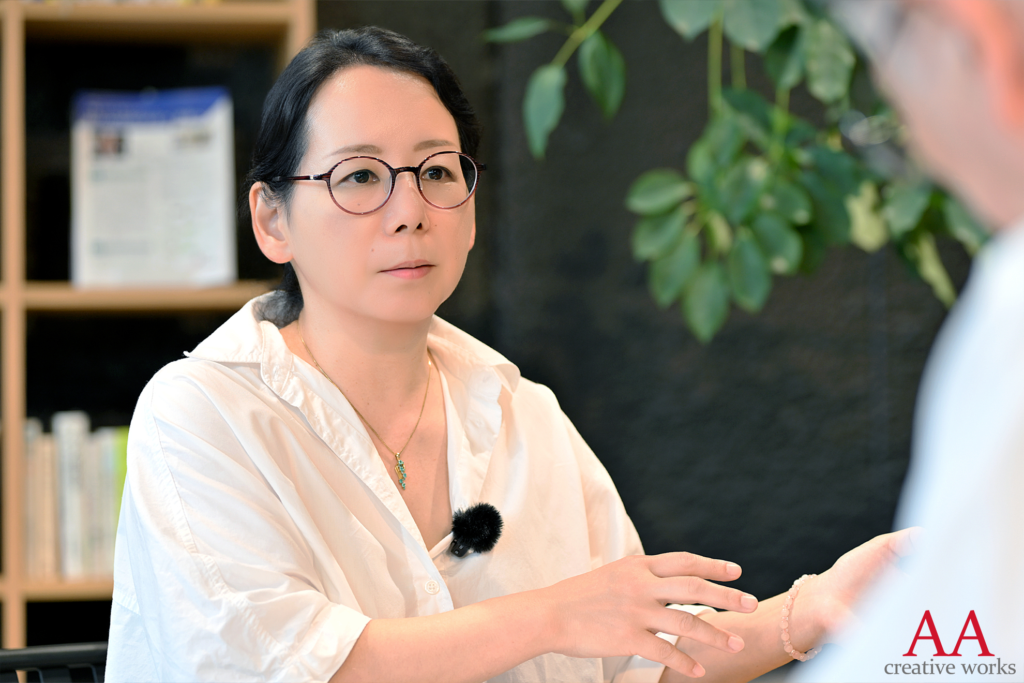
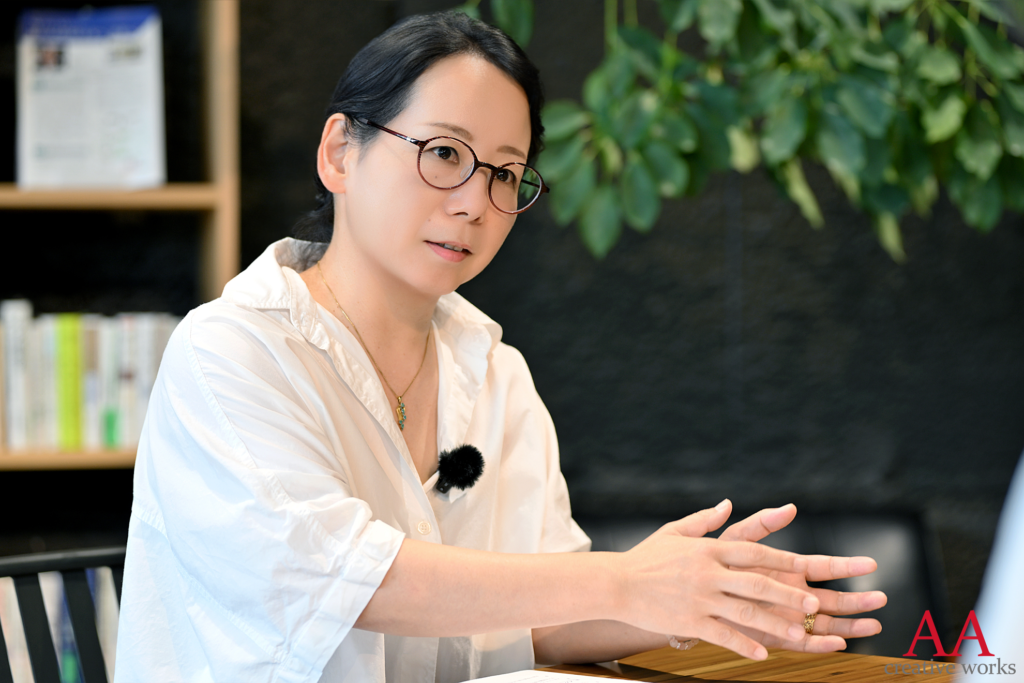
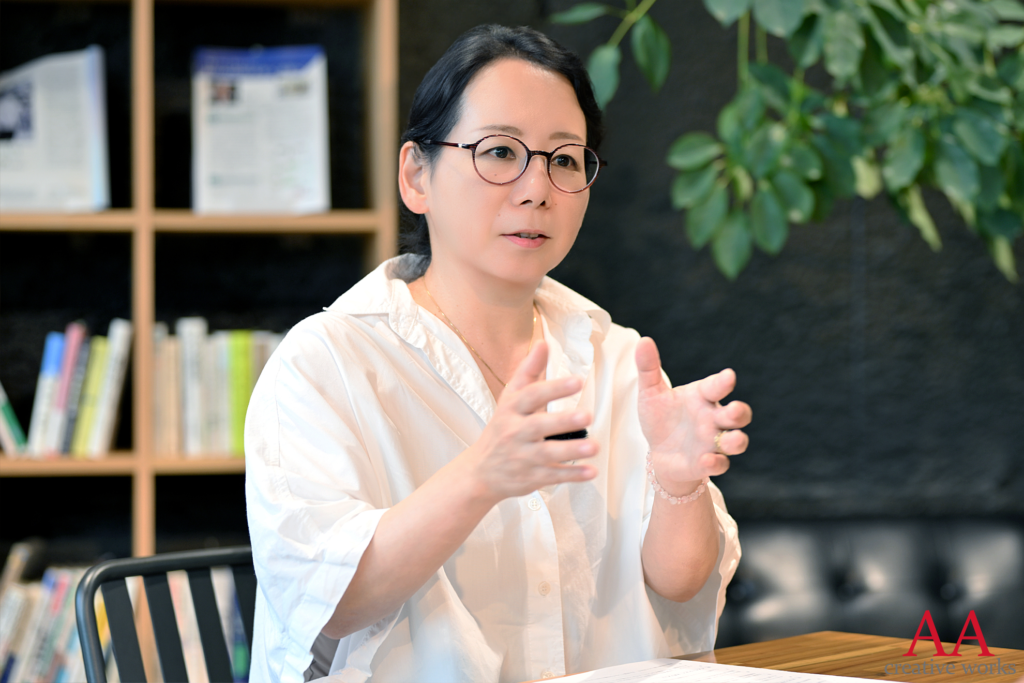
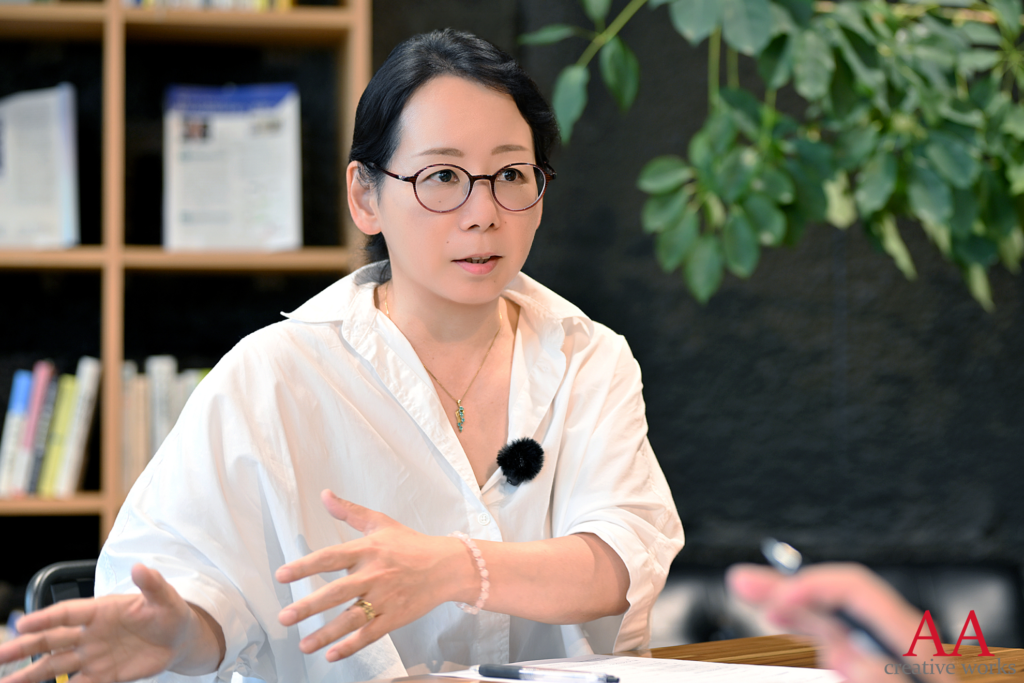
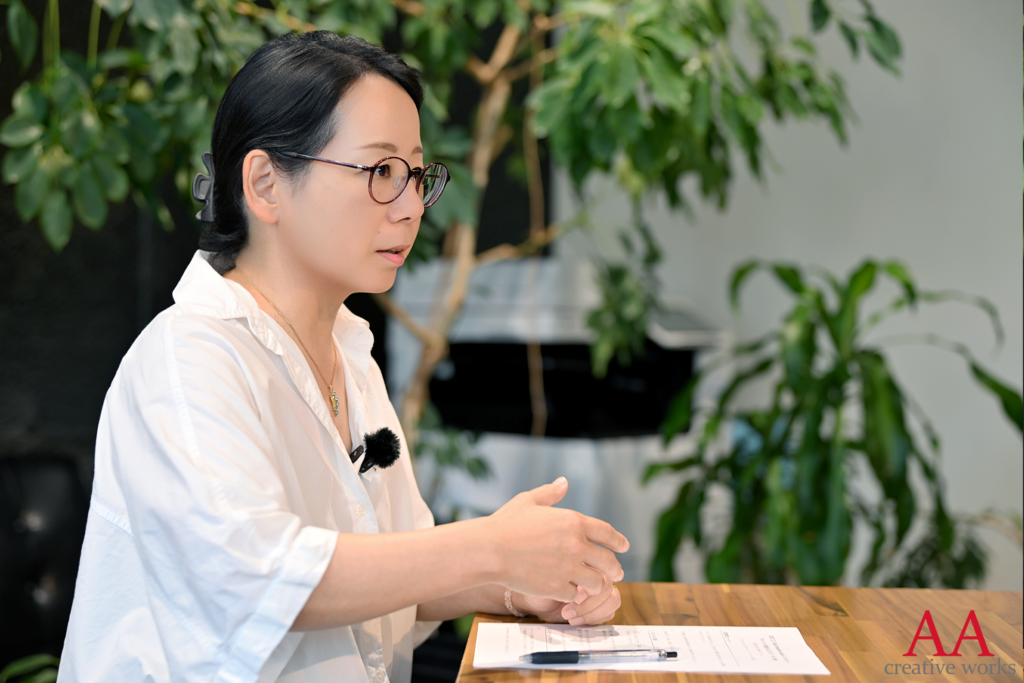

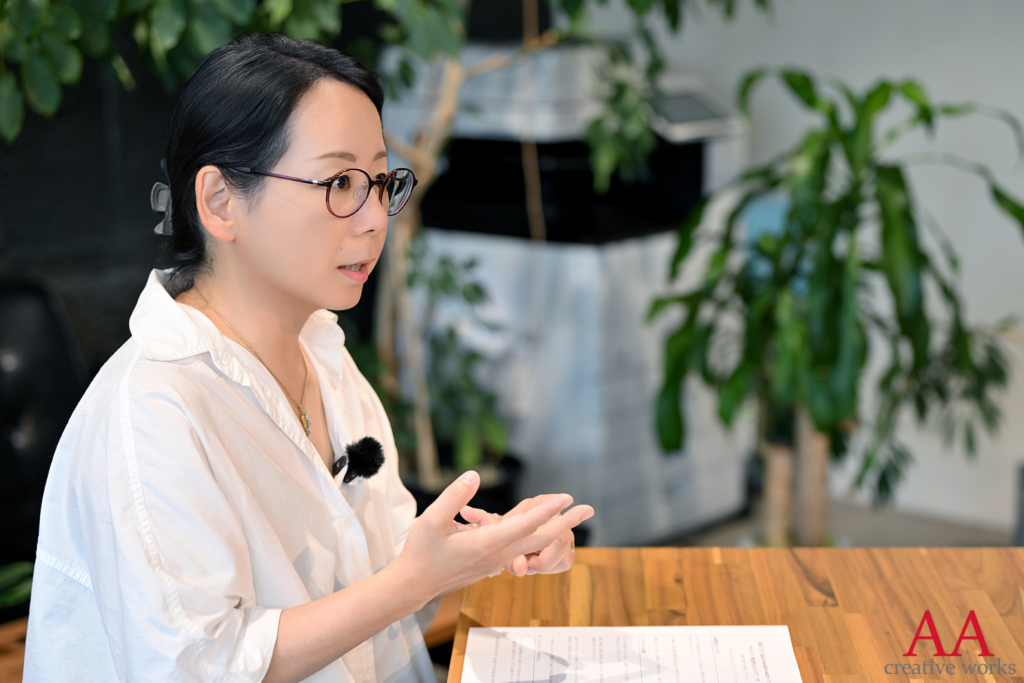


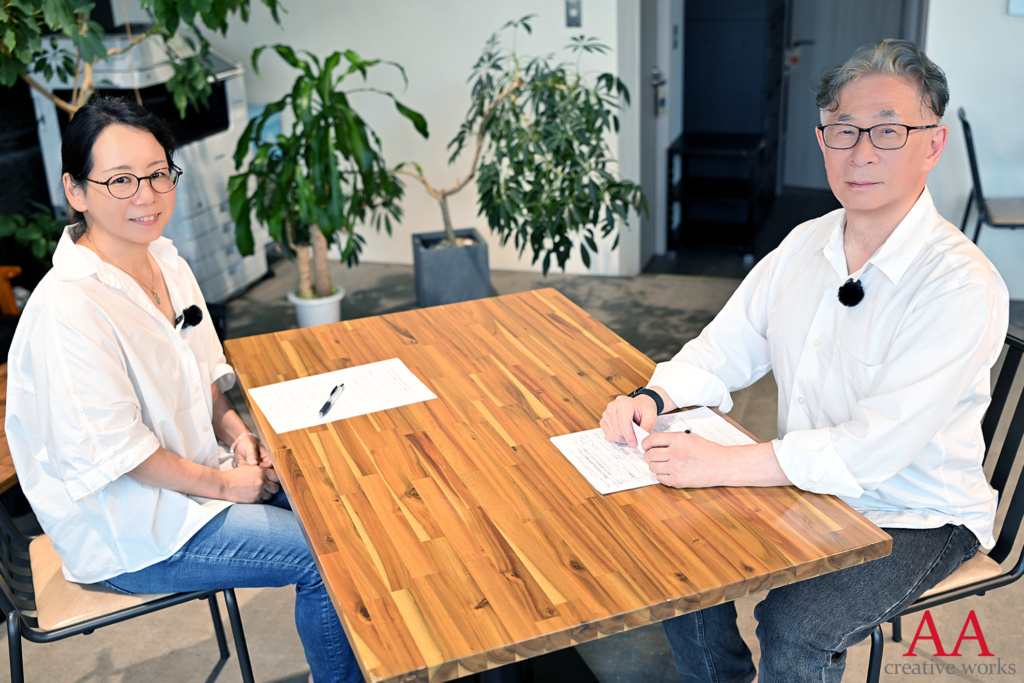
“VegiBus(M-Square Lab Co., Ltd.)” Interview with an Award Winner of the First SIMA Good Innovation Award
Date and Time: Friday, July 17, 2026, 15:00 – 16:00
Location: 1st Floor, SK Shinkin Plaza, 4-4 Ekimae, Kakegawa City, Shizuoka Prefecture
Venue: Vegibus Dining
Interviewee: Yuriko Kato
President and CEO, M-Square Lab Co., Ltd.
Interviewer:Noboru Konno
Chairperson and Director, Japan Innovation Network (General Incorporated Association)
◆Related Articles
・【REPORT】“NanoTerasu, Local Partner” Interview with an Award Winner of the First SIMA Good Innovation Award
https://transformjapan.org/sima/report_sm1_20260420/
・【REPORT】First SIMA (Good Innovation Award) award ceremony
https://transformjapan.org/sima/report_sm1_20260203/
・【REPORT】Executive Innovation Roundtable 2 “Future Innovation Roundtable”」
https://transformjapan.org/eirt/report_rt2_20260203/