
【REPORT】“Daikin Industries” Interview with an Award Winner of the First SIMA Good Innovation Award
2026/10/20
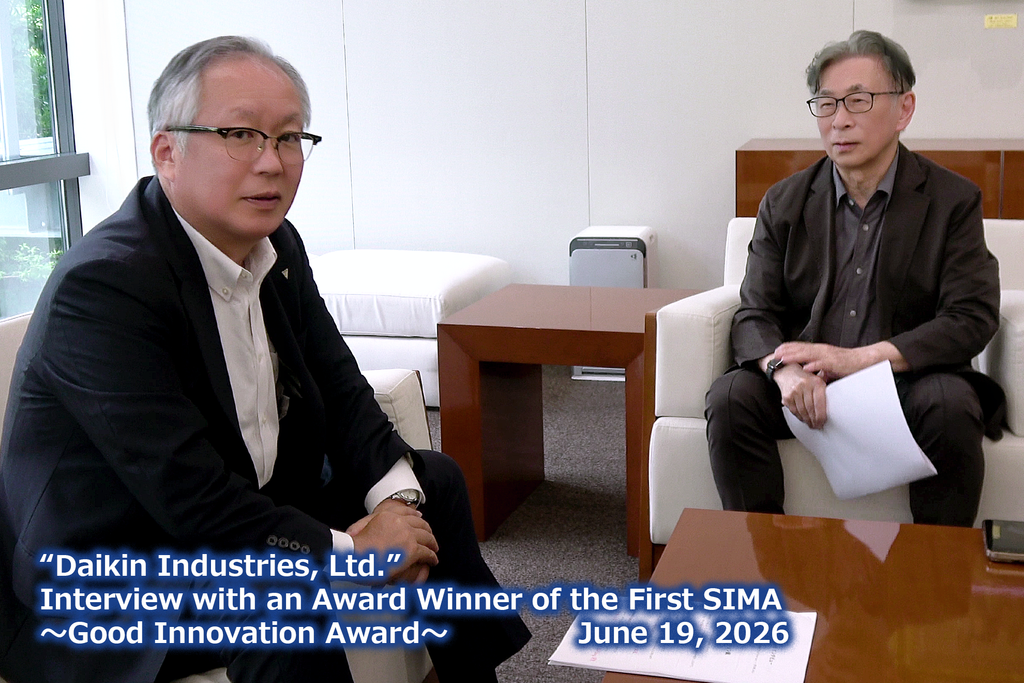
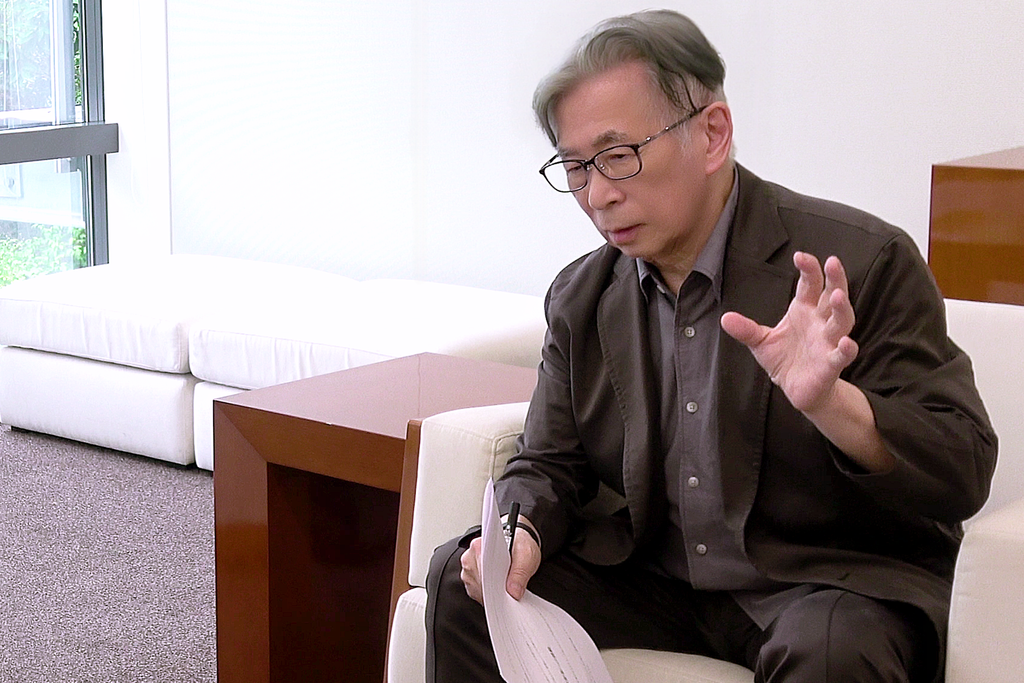
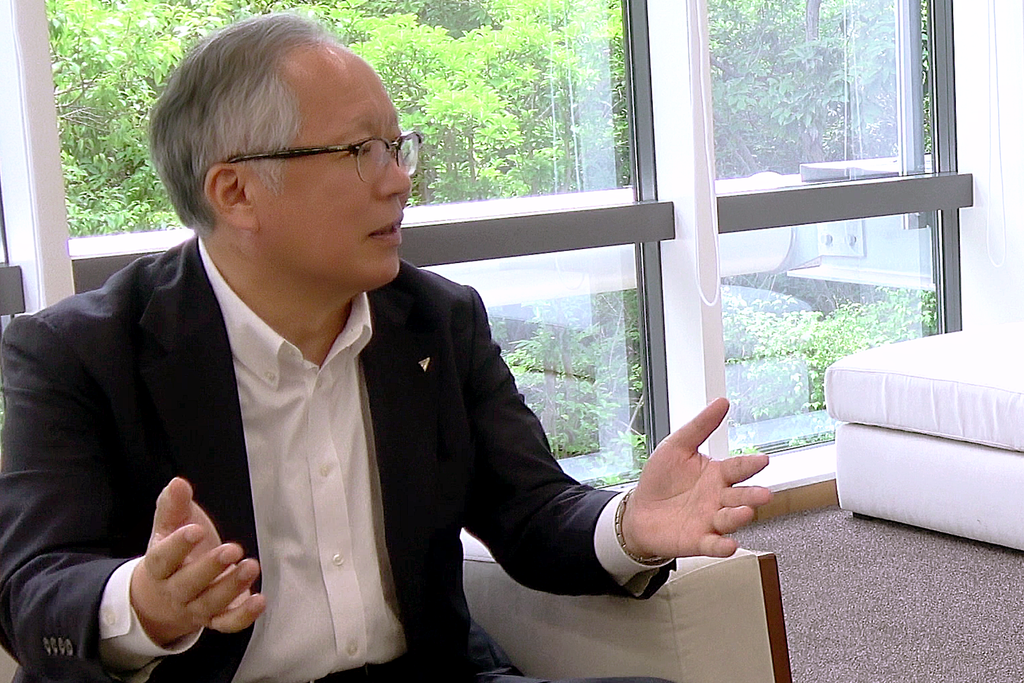
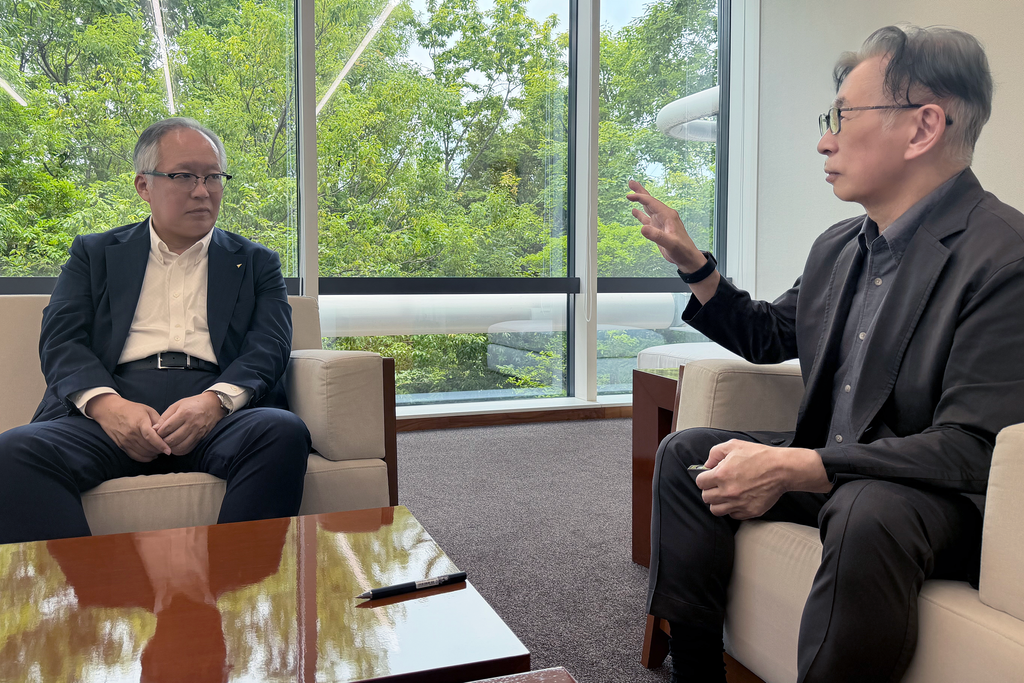
We interviewed Mr. Katsumi Kawahara of Daikin Industries, Ltd.—who won the Grand Prize at the first “Systematic Innovation Management Award (SIMA) ” (award ceremony held on February 3, 2026) organized by the Executive Innovation Committee (hereinafter “EIC”)—regarding his award-winning project. Mr. Kawahara serves as an Executive Officer and Deputy Director of the Technology and Innovation Center at Daikin Industries, Ltd., responsible for promoting industry-government-academia collaboration.
We present a report and video coverage of the event, which took place at Daikin Industries, Ltd.’s (hereinafter “Daikin”) Technology and Innovation Center in Ibaraki City, Osaka Prefecture.To view the video, please play the YouTube video within the blue box below.
EIC YouTube Channel
“Daikin Industries” Interview with an Award Winner of the First SIMA Good Innovation Award
The Evolution from “Hardware”—Air Conditioning Units—to “Airspace as a Form of Social Common Capital”
Daikin goes far beyond the typical framework of an “air conditioner manufacturer.” The physical air conditioning unit is merely a means to an end; the company’s true mission is to provide the “healthy, comfortable, safe, and secure indoor air environment” that customers seek.
Due to the rising risk of heatstroke caused by global warming and growing concern for indoor air quality, the invisible element of “air” has become an indispensable infrastructure for protecting life and daily living. Through its “10-year, 10 billion yen” industry-academia collaboration with the University of Tokyo (UTokyo INCA), the company identified the concept of air as “Social Common Capital.” As articulated by economist Hirofumi Uzawa, air is not private property but a shared asset of humanity. The company’s transition from a manufacturer to a platform company that supports the global environment and daily life is the very foundation of its innovation.
“People-Centered Management”: A Culture of Challenge and Absolute Psychological Safety Born from the Belief in Human Goodness
It is “people” who bring grand visions to life on the ground. At the core of Daikin’s management philosophy lies the “people-centered management” that Honorary Chairman Noriyuki Inoue has instilled throughout the company over many years. This philosophy is based on the belief that it is precisely because each and every employee grows that the company becomes stronger in all areas—technology, sales, and management.
To break out of organizational stagnation, top management constantly takes “bold steps.” When the University of Tokyo INCA was launched, 350 engineers moved into the University of Tokyo campus, and through interactions involving a cumulative total of more than 4,000 employees, they triggered a “tectonic shift” in the R&D department.
Another noteworthy aspect is the “tolerance for constructive failure.” The company’s performance evaluation system is based on a points-based approach that places greater emphasis on the “ambition of the goals set” than on short-term performance results. The principles of “not penalizing constructive failure” and “not creating marginalized employees” are explicitly stated in the “PCM Bia” code of conduct, which is distributed to all 100,000 employees worldwide. This psychological safety—where failure is not penalized—gives employees the courage to “stick their necks out.”
“Non-Traditional Management” for Overcoming Stage Gates and the Bottom-Up Dynamism of the “Marines”
Daikin, with annual sales of 5 trillion yen, has established a seven-stage stage-gate system (four-tier system) that strictly manages product development, and this system is rigorously applied to standard manufacturing processes.
On the other hand, “non-standard (non-conventional) management” comes into play when creating new value or developing solutions that do not fit within existing frameworks. Rather than rejecting ideas simply because they do not conform to established processes, those in charge are permitted to adopt flexible, bottom-up processes.
A prime example of this is “The Marines,” a volunteer-based organization born out of an industry-academia collaboration with Osaka University. Faced with key projects that had stalled in the stage-gate process, section managers and assistant sales division heads formed this cross-departmental group. They appealed directly to top management to secure the necessary budget and personnel, thereby driving the projects forward. The company’s true strength lies in its flat organizational culture, where individuals with vision are free to allocate resources as they see fit, transcending rigid, formalized frameworks.
Moving Beyond the “Ego-System” to Build an Ecosystem Based on Co-Creation Through “Questions” for Society
In contrast to the “ego-system”—which pursues only its own profits through open innovation—Daikin extends the “mutual trust” fostered within the company directly to the outside world. When selecting partners, the company places greater emphasis on compatibility in organizational culture and deep relationships of trust than on technological complementarity.
Even in its comprehensive collaboration with the University of Tokyo, Daikin rejected technology outsourcing driven solely by its own interests. Instead, through discussions with President Shinmoto Gokami, the two parties started from scratch—addressing the fundamental “question” of “what value should we provide to society?”—to jointly design the initiative.
By starting discussions from a shared “question,” an ecosystem is established in which partners are not mere subcontractors but equal “comrades.” This approach is seamlessly connected to informal exchanges such as the employee-led women’s golf tournament “Daikin Orchid” and the “Bon Dance,” where local employees at offices around the world form a circle while wearing yukata; together, these form the foundation of trust that transcends mere logic.
AI-Powered Failure Prediction and a Global Subscription Model That Turns Scope 3 Environmental Challenges (Accounting for 90% of Emissions) Into Value
More than 90 percent of greenhouse gas emissions in the air conditioning industry are concentrated in electricity consumption during product use after sale (Scope 3). To address this structural challenge, the company is developing energy management solutions that leverage data and AI.
A prime example of this is the “AI-powered Air Conditioner Failure Prediction Service (Non-Stop Air Conditioner).” By processing operational data with AI, the service accurately predicts with 90% probability that a unit will fail within the next four months. It offers preventive maintenance on a subscription basis to prevent sudden shutdowns—which can be catastrophic for retail stores and other businesses during the summer.
Furthermore, in Tanzania—where purchasing air conditioners is difficult—the company partnered with local startup WASSHA (a Japanese company spun out of the University of Tokyo that uses IoT to sell electricity on a pay-as-you-go basis in unelectrified regions of Africa) to launch a daily air conditioner subscription service, which has successfully turned a profit. This effort is also directly linked to challenges in next-generation energy control at projects such as Toyota’s “Woven City” and the Suzuka City Smart City initiative.
“Adaptive Strengths” That Don’t Rely on Perfect Predictions: The Vision Needed for Japanese Companies to Succeed in the Global Market
Regarding the difference in pace between Japanese and U.S. companies, Mr. Kawahara points to “a difference in risk management awareness and tolerance.” Given the current situation in Japan—where an excessive focus on risk avoidance out of fear of making mistakes has led to a mindset that “not taking risks is the greatest risk”—it is difficult to break through head-on in capital battles or AI model competitions.
However, Japanese companies possess an inherent strength: “the ability to fully adapt on the ground, no matter what scenario unfolds.” Daikin’s winning strategy is not to rely on perfect predictions of the future, but to continuously maintain flexibility and preparedness in the face of change. Going beyond localized quality management (QMS), companies must possess a robust “vision” and “questions” regarding what value they want to provide to society. This clarifies the rationale for taking risks and accelerates decision-making. Daikin’s practices, symbolized by its SIMA Grand Prix award, offer concrete insights into a “new industrial OS” that will enable Japanese industry to succeed on the global stage once again.
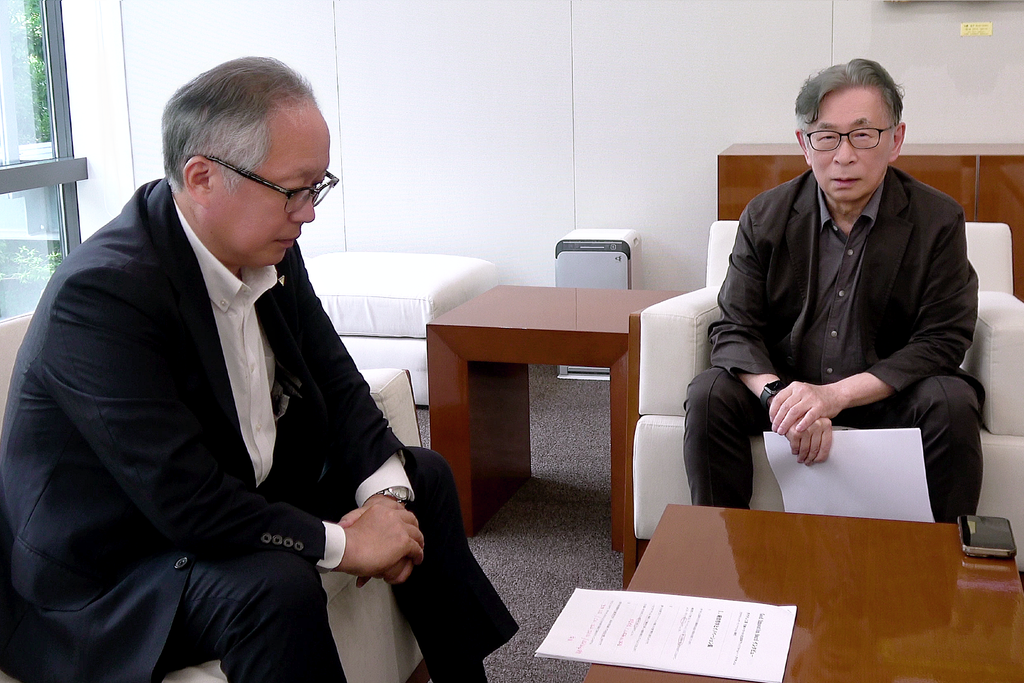

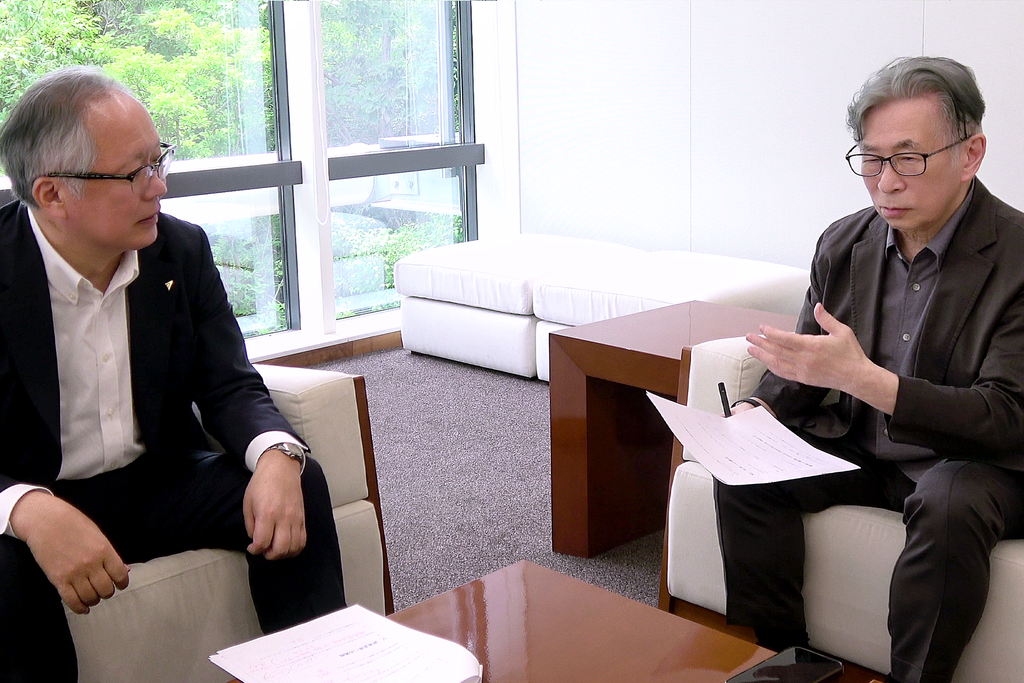
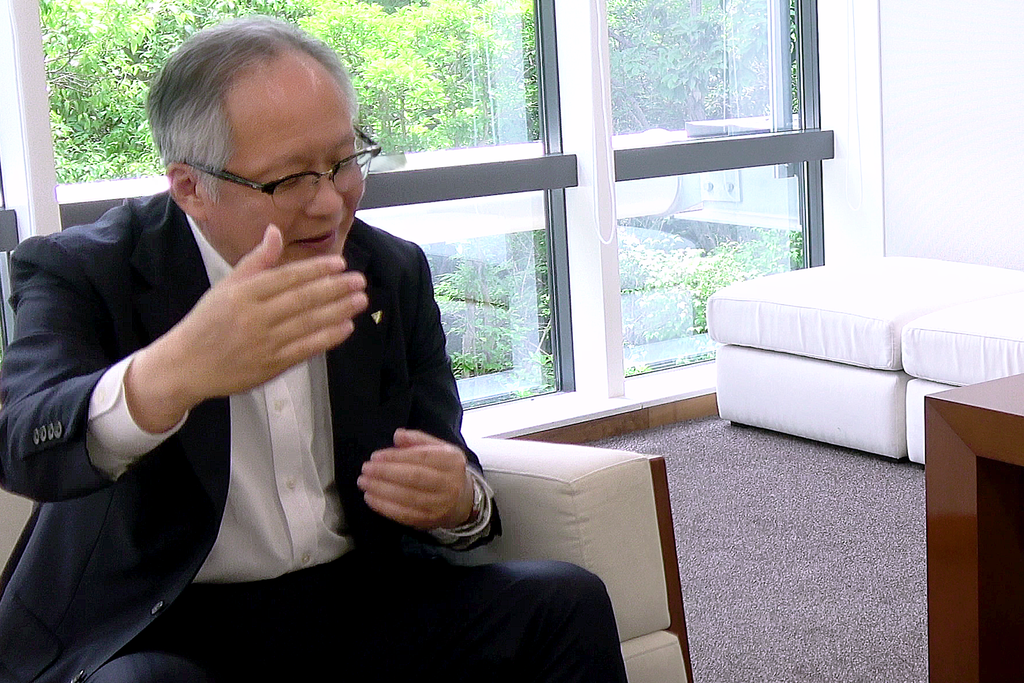
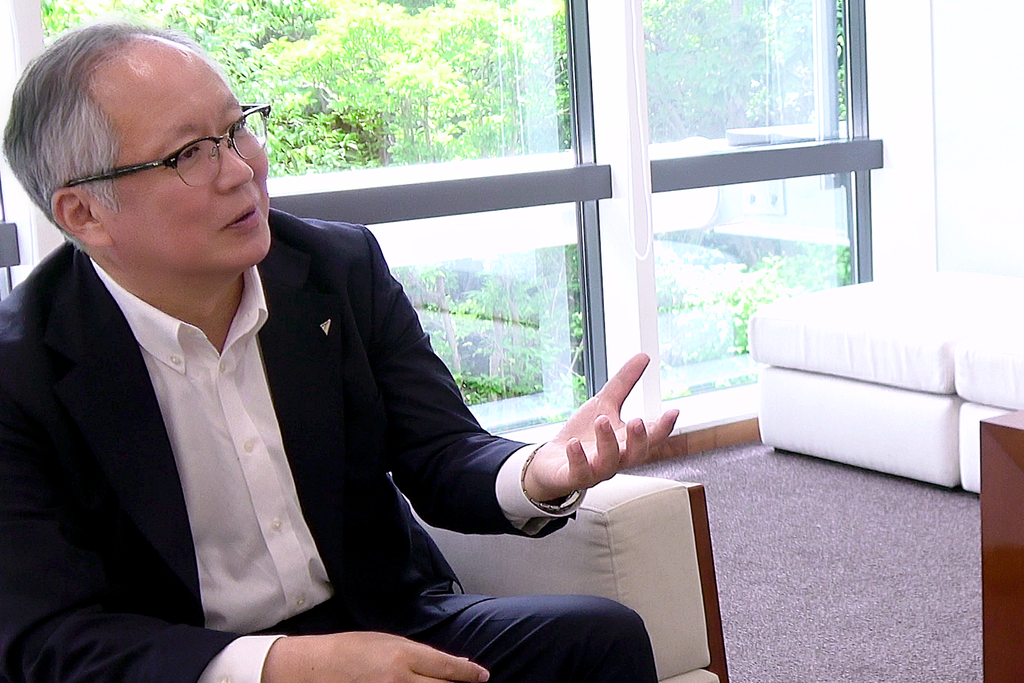
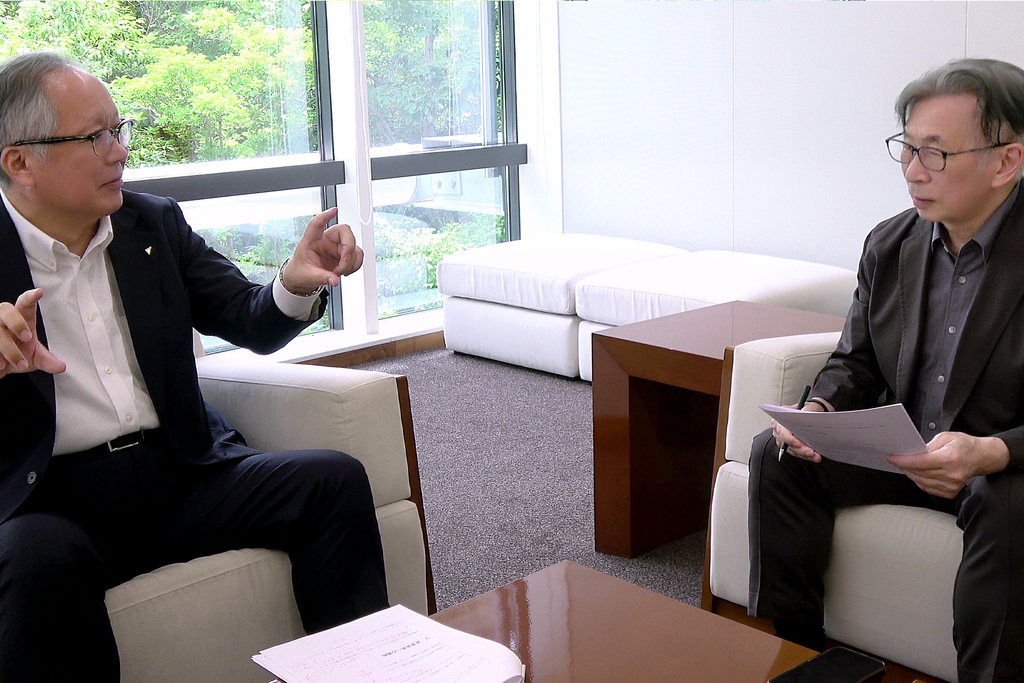
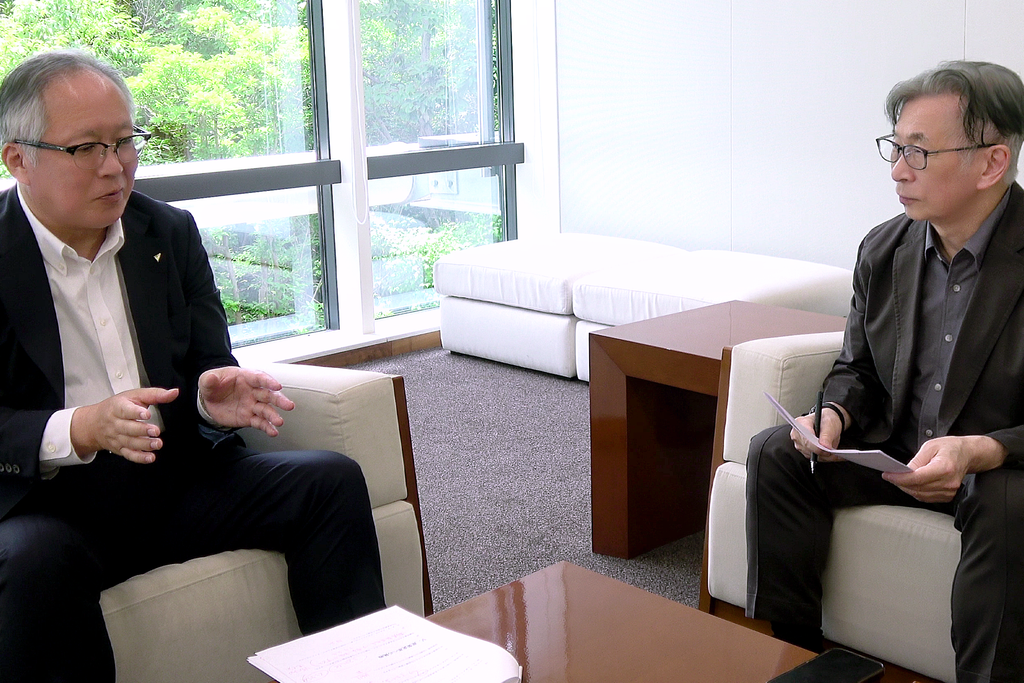
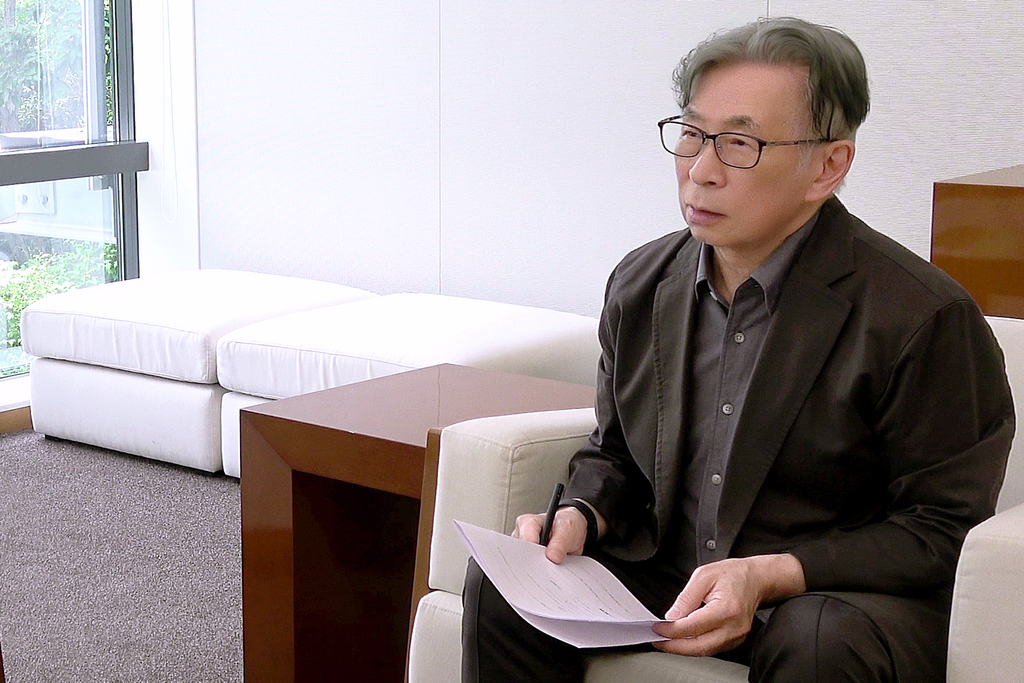
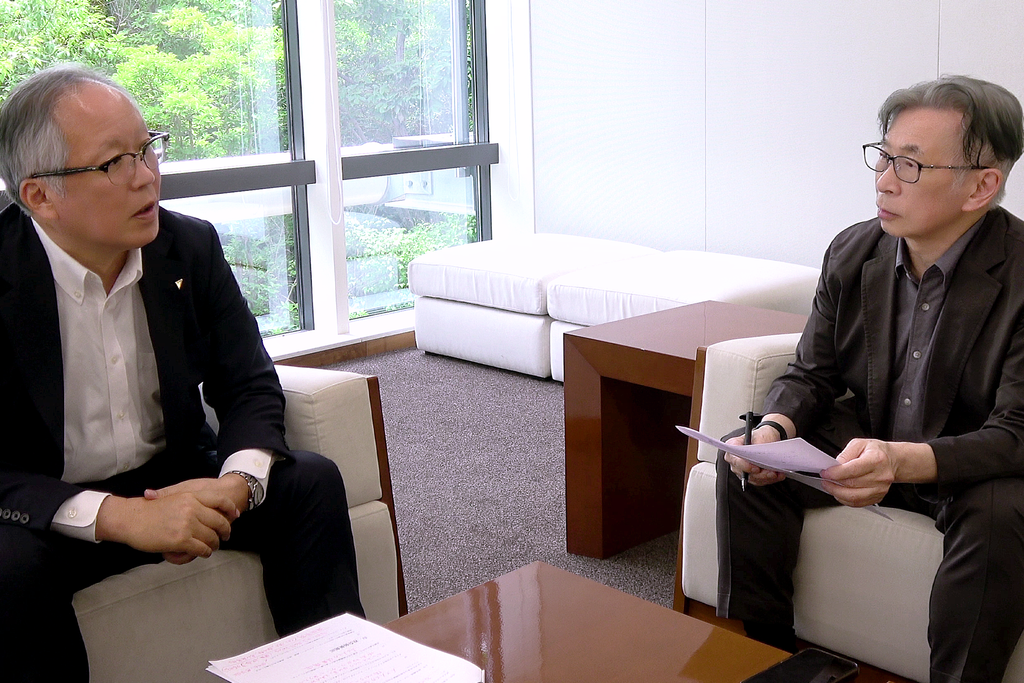
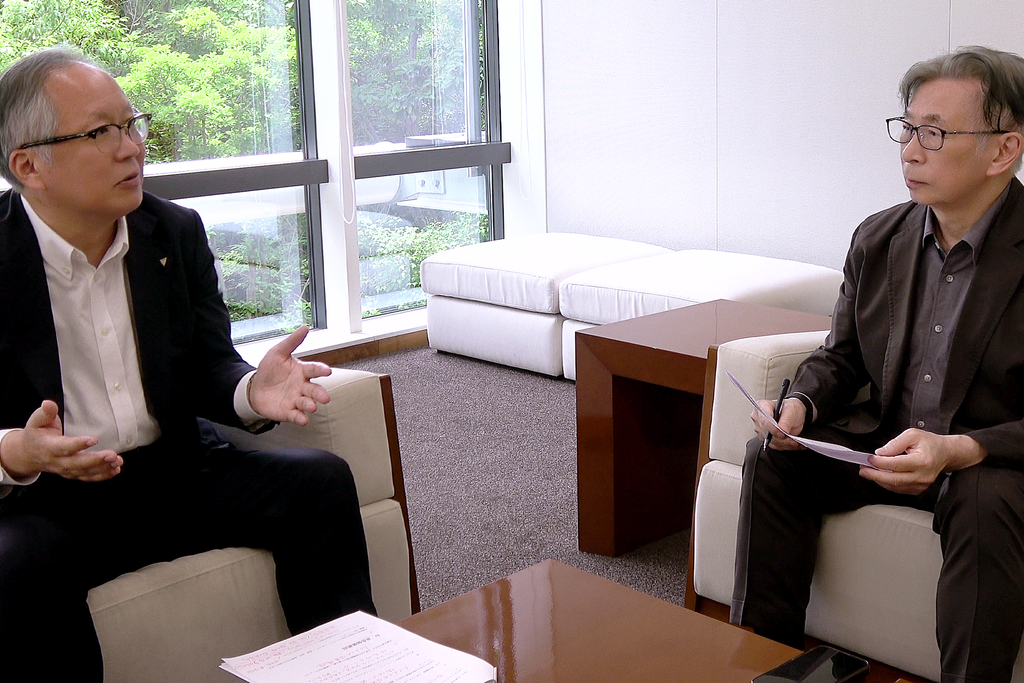
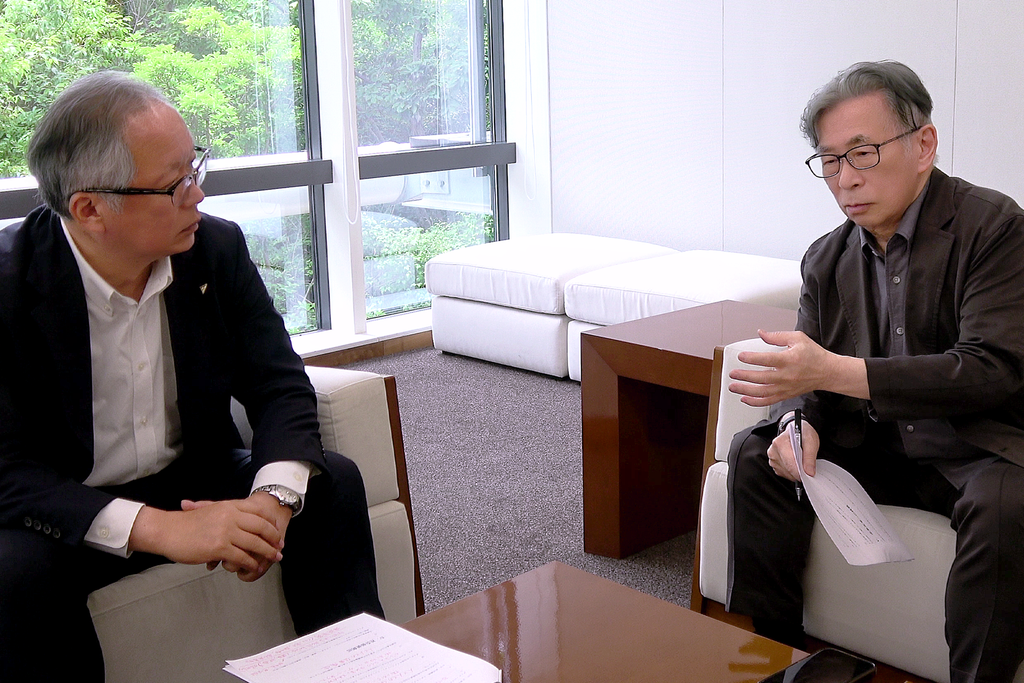

“Daikin Industries” Interview with an Award Winner of the First SIMA Good Innovation Award」
Date and Time: Friday, June 19, 2026, 11:00 a.m.–12:00 p.m.
Location: 1-1 Nishi-Itsuya, Settsu City, Osaka Prefecture
Venue: Daikin Industries, Ltd. Technology & Innovation Center
Interviewee: Katsumi Kawahara
Executive Officer, Deputy Director of the Technology and Innovation Center (in charge of promoting industry-government-academia collaboration), Daikin Industries, Ltd.
Interviewer:Noboru Konno
Chairperson and Director, Japan Innovation Network (General Incorporated Association)
◆関連記事
・【REPORT】第1回「SIMA〈グッドイノベーション賞〉」受賞事例インタビュー「やさいバス(株式会社エムスクエア・ラボ)」
https://transformjapan.org/sima/report_sm1_20260717/
・【REPORT】第1回「SIMA〈グッドイノベーション賞〉」受賞事例インタビュー「NanoTerasu・地域パートナー」
https://transformjapan.org/sima/report_sm1_20260420/
・【REPORT】第1回「SIMA〈グッドイノベーション賞〉」受賞式
https://transformjapan.org/sima/report_sm1_20260203/