
【REPORT】IM Lab Meeting: “IM Lab Open Day #4 Recap”
2026/11/16
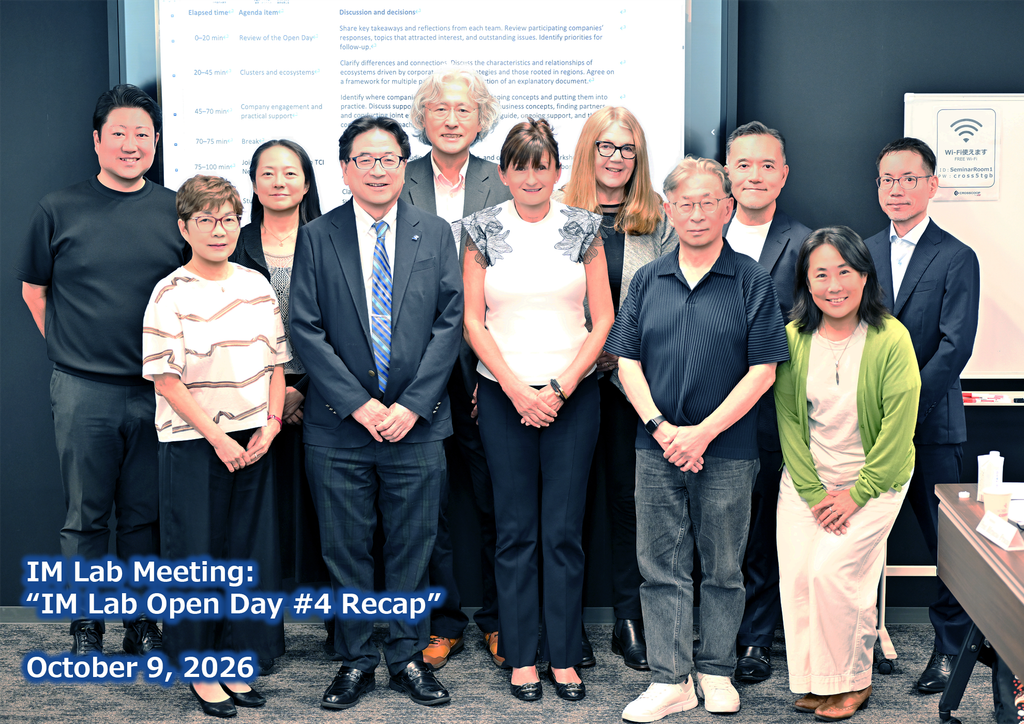
Following the “Executive Innovation Roundtable” held by the Executive Innovation Committee (hereinafter EIC) on August 4, 2025, “IM Lab” was launched to support the creation of an innovation ecosystem through industry-academia collaboration. The initiative is operated by the Japan Innovation Network (hereinafter JIN), a general incorporated association. We present a report and a highlight video covering the “IM Lab Open Day #4 Recap” meeting—a follow-up session held the day after “IM Lab Open Days #4 2026” (held on October 8, 2026), which was organized by JIN. To view the highlight video, please play the YouTube video within the blue box below.
EIC YouTube Channel
IM Lab Meeting: “IM Lab Open Day #4 Recap”(Digest Video)
TCI Network Leaders and IM Lab Members Explore Practical Pathways for Collaboration
On October 9, the day after IM Lab Open Day #4, members of IM Lab and the Japan Innovation Network (JIN) gathered for an informal discussion with Mirjana Prica, President of TCI Network, Nicola Watts, an active contributor to TCI Network’s Oceania community, and other participants. Building on the previous day’s public event, the conversation focused on a practical question: How can the ideas behind regional innovation ecosystems be translated into action?
One participant rated the previous day’s event “90 out of 100.” The presentations had successfully demonstrated that clusters and innovation ecosystems were not abstract theories but functioning realities in different parts of the world. Yet the remaining ten points reflected two unanswered questions: What should businesses and government organizations actually do next? And what practical support could IM Lab and TCI Network provide?
Prica welcomed the audience’s enthusiasm but also reflected on the event’s format. While the presentations had generated considerable interest, there had been limited opportunities to hear directly from participants. Future gatherings, she suggested, could create more room for co-creation, allowing people to exchange ideas rather than simply listen to experts.
Building a Shared Language for Innovation Ecosystems
The discussion began by examining the terminology itself.
Terms such as “cluster,” “innovation ecosystem,” and “orchestration” are increasingly familiar in Japan. Yet their meanings can vary considerably. Does an ecosystem refer to relationships among companies, a regional network connecting industry, universities, and government, or something broader? Without a common understanding, participants may appear to be discussing the same concept while addressing very different challenges.
Noboru Konno, who helped guide the discussion, raised an important distinction between those who build ecosystems and those who orchestrate them. An ecosystem builder and an orchestrator do not necessarily perform the same role. Nor does orchestration always depend on a single individual or organization. Understanding who should take responsibility for what, and under which circumstances, is essential.
Prica emphasized that successful international examples cannot simply be transplanted from one country or region to another. Every ecosystem operates within its own economic, institutional, and cultural context.
Learning from global experience is valuable, but the real task is to work with local stakeholders to design an approach suited to their circumstances. A shared vocabulary and conceptual framework provide an important foundation for that process.
Is It Really an Ecosystem Problem?
The conversation became particularly concrete when participants examined a case involving a company operating in the water-related business sector.
The company had established a stable business serving local government customers but was facing limitations in its growth prospects. Could an innovation ecosystem approach help it identify new opportunities and reshape its future?
The question had emerged during an informal dinner discussion the previous evening.
Prica challenged the initial framing. In her view, the company might not have an ecosystem problem at all. Its more immediate challenge could be one of business and innovation strategy.
What were the company’s technological strengths? Could its existing capabilities be applied to other sectors? Was it investing sufficiently in research, development, and future innovation opportunities?
Simply establishing an ecosystem would not automatically resolve fundamental business challenges.
Other participants offered a complementary perspective. Water management, they noted, is deeply connected to public policy, local communities, infrastructure, and collaboration among organizations. Any meaningful transformation would therefore need to consider relationships beyond the individual company.
Rather than producing a single definitive answer, the exchange revealed a critical starting point: Before attempting to build an ecosystem, organizations must clarify the problem they are trying to solve, the value they seek to create, and the partners they need to engage.
Mapping Relationships and Sensing Change
How, then, should organizations begin?
Watts highlighted the importance of systems mapping and systems sensing: understanding the relationships among businesses, governments, research institutions, and other stakeholders, while recognizing the changes taking place across the wider environment.
Identifying a shared purpose and understanding who needs to participate are essential foundations for effective collaboration.
Prica drew on her experience in Australia’s food and agribusiness sector. Rather than treating the industry as a single, uniform system, her team identified interconnected subsystems and examined their relationships.
They explored how retailers, government policies, industry structures, and other forces could influence one another. Future scenarios were developed and tested, while stakeholder interviews, workshops, and consultations helped refine the emerging strategy.
The process was iterative. Ideas were tested, challenged, and adjusted as new insights emerged.
Participants from JIN observed that this approach could connect naturally with the framework of an Innovation Management System (IMS). Stakeholder mapping, establishing a shared purpose, and defining the value to be delivered are also central considerations in innovation management.
The discussion suggested opportunities to translate these concepts into practical training programs and workshops.
The underlying message was that innovation ecosystems are not static organizational structures. They are evolving systems that require continuous observation, learning, adaptation, and collaboration.
Turning Global Connections into Practical Learning
A recurring theme was the value of TCI Network as a global community of experienced practitioners.
Its strength lies not only in its accumulated knowledge but also in the opportunity to connect directly with people who have already faced the challenges of building clusters and innovation ecosystems.
Prica recalled how, when developing cluster initiatives in Australia, she traveled to Europe to learn from established examples. By meeting practitioners and examining both their successes and difficulties, she gained practical insights that could be adapted to the Australian context.
The purpose was not to obtain a ready-made solution. It was to acquire the language, methods, and perspectives needed to develop an approach appropriate to local circumstances.
The conversation also turned to the TCI Global Conference in Córdoba, Argentina.
Participants discussed how attending such a conference could offer far more than listening to keynote presentations. Cluster visits, one-to-one meetings, international networking, and targeted matchmaking could all create opportunities for practical collaboration.
Prica encouraged participants to prepare by identifying their specific needs and objectives.
Rather than asking potential partners simply what kinds of ecosystems interested them, she suggested starting with more fundamental questions: What challenges are they trying to address? What growth opportunities do they hope to unlock?
Once those objectives are clear, an international network can become a powerful resource for identifying relevant expertise, partners, and opportunities.
Making Japan–Australia Collaboration Sustainable
The final part of the discussion explored potential joint activities involving JIN, IM Lab, and TCI Network.
A range of possibilities emerged: developing shared terminology and practical frameworks, offering online learning opportunities for companies, exchanging case studies and event information, organizing study tours to Australia, and potentially convening a regional forum in Asia.
Participants also discussed the possibility of visiting innovation clusters in Victoria, Australia, and engaging with organizations such as RMIT University.
These were ideas for further exploration rather than finalized commitments. Nevertheless, they illustrated how international relationships might develop into tangible programs.
Another important consideration was sustainability.
Prica explained that much of TCI Network’s work relies on the contributions of its members and volunteers. For collaboration to continue over time, activities must deliver value to the organizations involved and be supported by appropriate resources.
One possible approach would be to begin with relatively accessible initiatives, such as online exchanges and shared information, before developing more ambitious study visits or collaborative programs.
The discussion ultimately returned to the question that had remained after the previous day’s event.
Understanding the importance of innovation ecosystems is only the beginning. The next challenge is to identify common objectives, engage the right people, and turn promising ideas into sustained action.
The October 9 gathering offered an opportunity to explore that next step—moving beyond the recognition that innovation ecosystems matter toward discovering what partners in Japan and around the world might actually accomplish together.
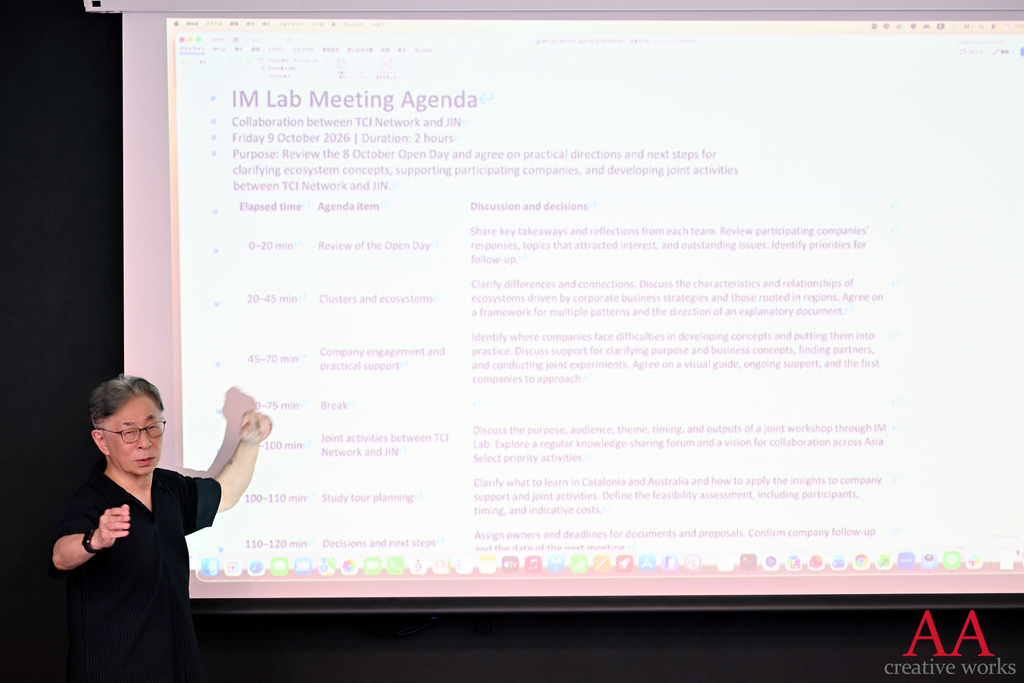

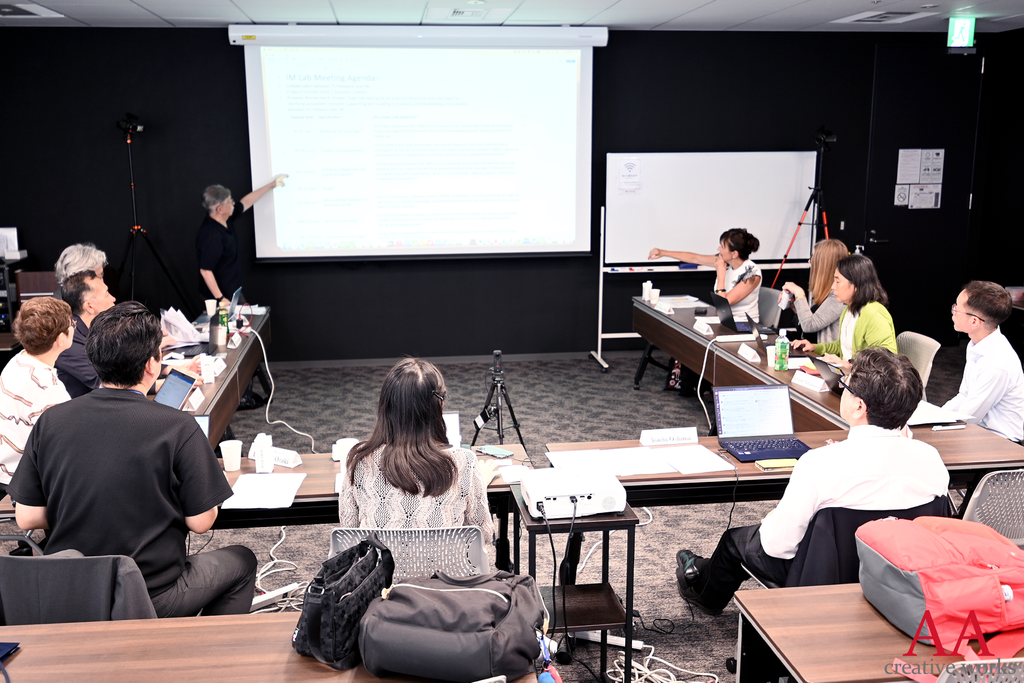
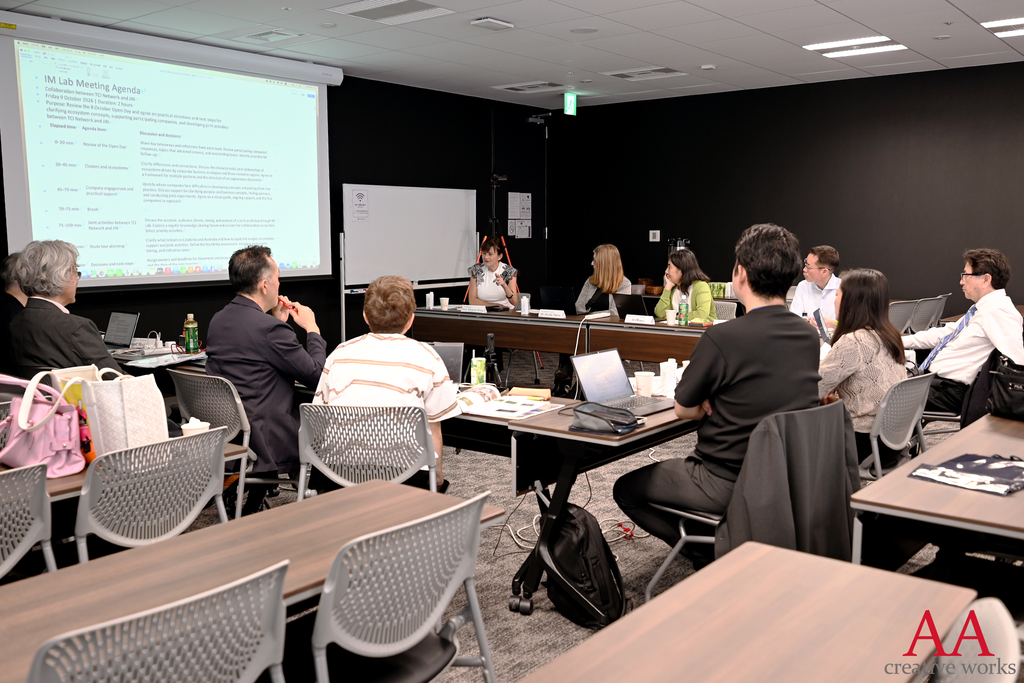
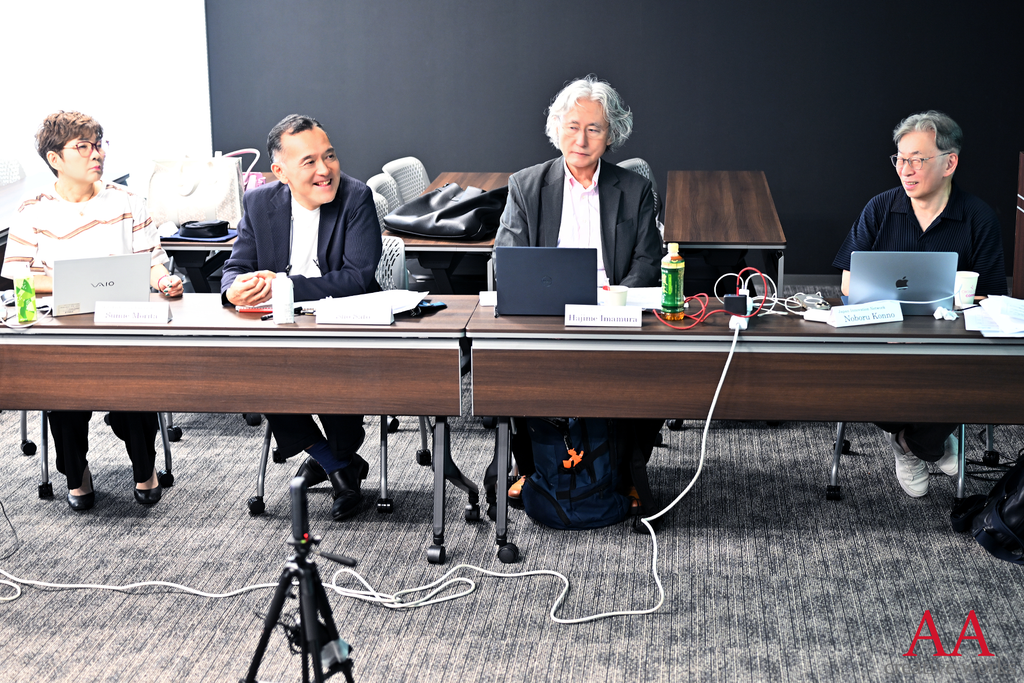



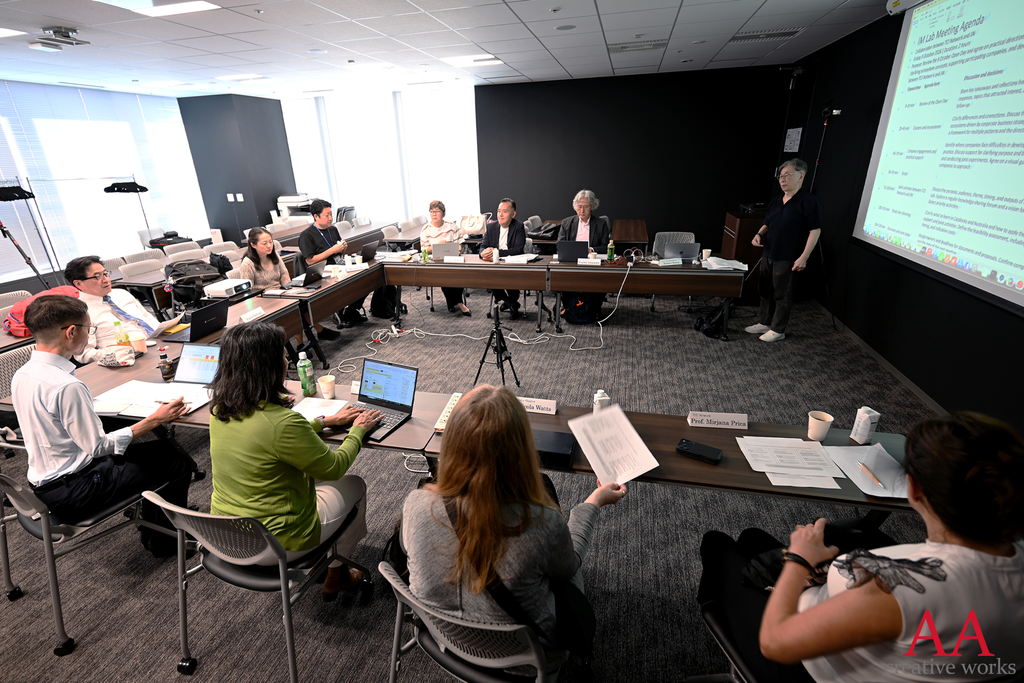
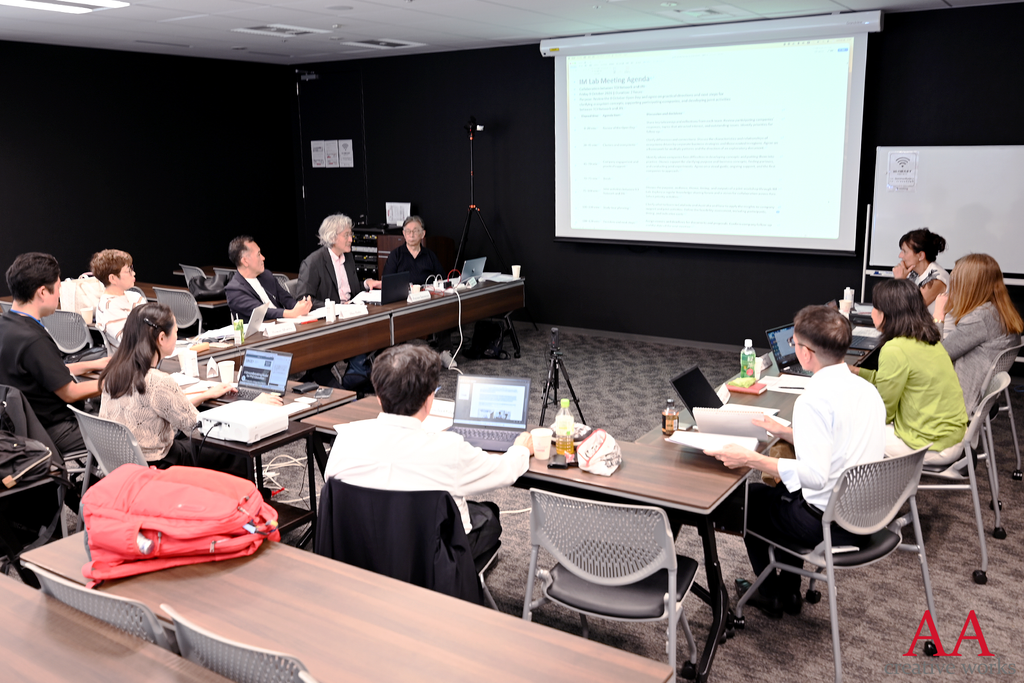
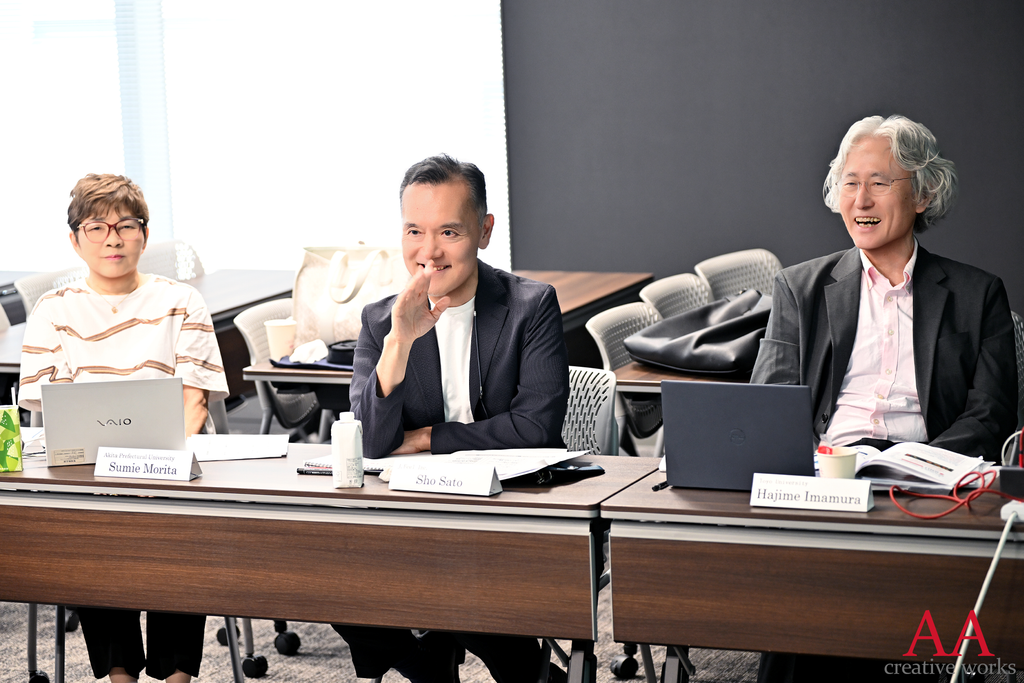

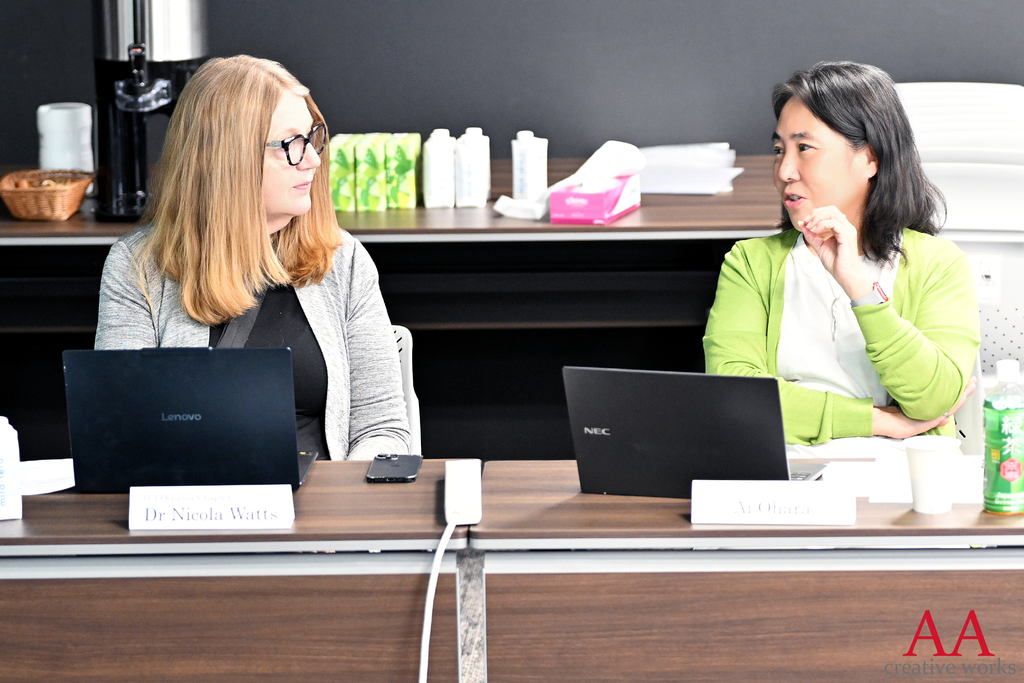
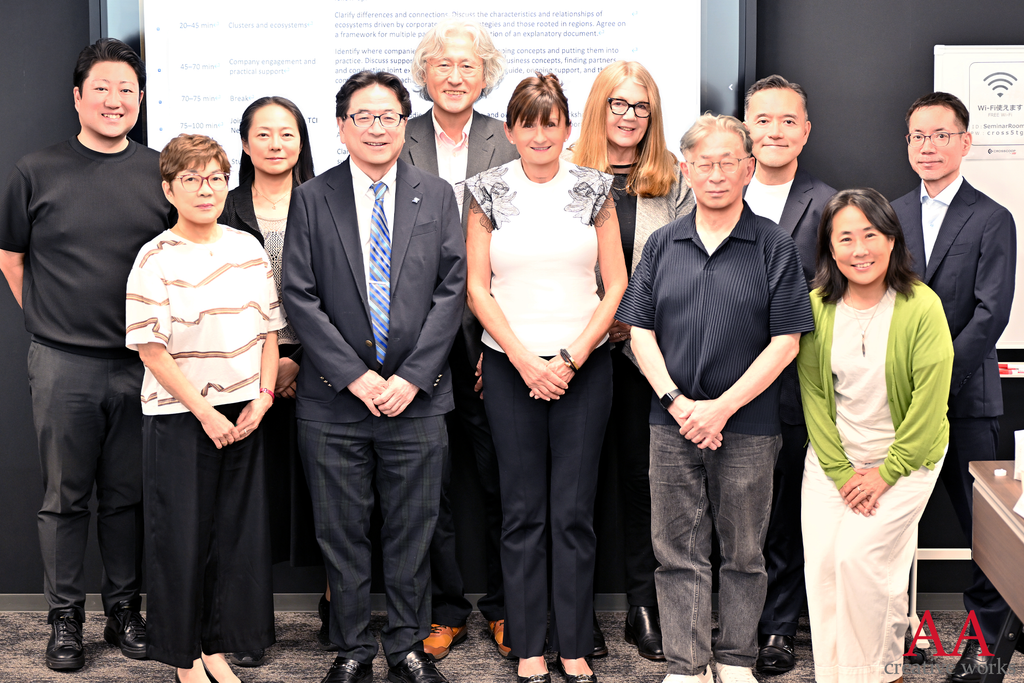
IM Lab Meeting: “IM Lab Open Day #4 Recap”
Title: IM Lab Meeting “IM Lab Open Day #4 Recap”
Date and Time: Friday, October 9, 2026, 10:00 a.m.–12:00 p.m.
Location: 3rd Floor, Urban Net Uchisaiwaicho Building, 1-1-13 Shimbashi, Minato-ku, Tokyo
CROSSCOOP Seminar Room A
Organized by: Japan Innovation Network (JIN), a General Incorporated Association
Agenda:
10:00–10:20 Open Day Review
10:20–10:45 Clusters and Ecosystems
10:45–11:10 Corporate Engagement and Practical Support
11:10–11:15 Break
11:15–11:40 Joint Activities of the TCI Network and JIN
11:40–11:50 Planning the Study Tour
11:50–12:00 Decisions and Next Steps
◆Related Articles
・【REPORT】IM Lab Open Day #4 2026
https://transformjapan.org/en/perspectives/20261008/
・【REPORT】IM Lab Open Day #3 2026
https://transformjapan.org/en/perspectives/20260701-2/
・【REPORT】IM Lab Open Day #2 2025
https://transformjapan.org/en/perspectives/20260123/